• ALLIANCE
    • Mission
    • Governance
    • People
      • Governing Board
      • Secretary General
      • Advisory Council
      • Student Board
      • Management Board
  • DIGITAL CAMPUS
    • Course Catalogue
    • Knowledge Hub
    • Research – ERIA
      • ERIA
      • Fridays For Research
      • Early-Career Researchers Center
      • Other Researchers
    • AI Tools
    • Sustainability
  • OPPORTUNITIES
  • NEWS
  • CONTACT

Erasmus+ KA2: Let’s connect and develop new European projects

16/09/2026

What if our next European project started with a conversation?

On 5 November, International Cooperation Projects Committee invites you to an online session dedicated to meeting, exchanging ideas and exploring the opportunities offered by Erasmus+ KA2 for partnership projects.

The aim? To explore Erasmus + opportunities and new cooperation ideas.

Ideas, partners, future projects

This session will be an opportunity to:

  • discover the possibilities offered by Erasmus+ KA2 partnership projects;
  • share your areas of interest, cooperation opportunities or initial project ideas;
  • meet teams interested in similar topics;
  • identify new opportunities for European collaboration together.

You don’t need to have a fully developed project to join! An idea, a topic you would like to explore, or simply an interest in developing new European collaborations is enough. 
The webinar consists of two parts: the first focuses on Erasmus+ calls, while the second is a hands-on session to help you turn your project idea into a submission. You can register for both or select the one that interests you most.

5 November 2026, 2pm | Online

→ Register and meet your future project partners: https://forms.cloud.microsoft/e/4PY3xctXTw

Connection details will be sent to registered participants before the webinar.


PreviousFrom the EULiST BIP to Scientific Research: «Integrated 3D Documentation of Cultural Heritage Using Photogrammetry and SLAM»
NextErasmus+ Traineeship Opportunity at DEK Research & Development Center

From the EULiST BIP to Scientific Research: «Integrated 3D Documentation of Cultural Heritage Using Photogrammetry and SLAM»

16/09/2026

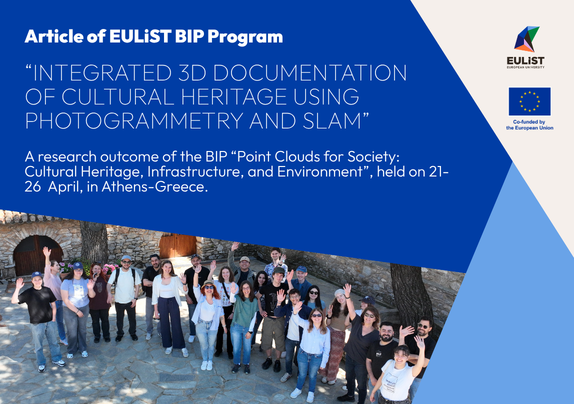
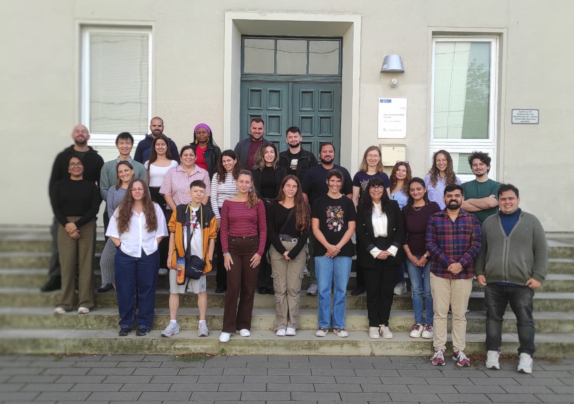
A research outcome of the BIP “Point Clouds for Society: Cultural Heritage, Infrastructure, and Environment”, held on 21-26  April, in Athens-Greece.

The collaborative work carried out during this EULiST Blended Intensive Program (BIP) has led to a new scientific publication in the ISPRS International Journal of Geo-Information.

The paper, entitled “Integrating Photogrammetry and SLAM for the 3D Geometric Documentation of Cultural Heritage Monuments: A Reproducible Multi-Sensor Workflow Supported by an Open Dataset”, presents the results of the 3D documentation activities conducted at the Holy Monastery of St. John the Hunter (Agios Ioannis Kynigos) in Attica, Greece, during the BIP.

The study investigates the complementary use of photogrammetry and SLAM technology for the three-dimensional geometric documentation of complex cultural heritage monuments. By combining UAV and terrestrial photogrammetry with SLAM-based mapping and geodetic control, the research develops an integrated workflow for documenting both exterior and interior spaces and evaluates the geometric consistency of the resulting point clouds.

A key outcome of the work is the CH-PhotoSLAM3D open dataset, which brings together multi-sensor data and derived products from the case study and is intended to support reproducibility and further research in 3D cultural heritage documentation.

The publication represents a significant scientific outcome of the EULiST BIP, demonstrating how international collaboration, hands-on learning and field-based research can develop into a peer-reviewed scientific contribution and a reusable research resource.

The BIP was hosted by the School of Rural, Surveying and Geoinformatics Engineering of the National Technical University of Athens (NTUA), within the EULiST Alliance, with scientific coordination by Prof. Efi Dimopoulou. The programme brought together students and academics from five EULiST partner universities and combined lectures, fieldwork, data processing and collaborative research activities.

Scientific publication:

Verykokou, S., Nikolitsas, K., Piniotis, G., Chliverou, R., & Dimopoulou, E. (2026). Integrating Photogrammetry and SLAM for the 3D Geometric Documentation of Cultural Heritage Monuments: A Reproducible Multi-Sensor Workflow Supported by an Open Dataset. ISPRS International Journal of Geo-Information, 15, 404. DOI: 10.3390/ijgi15090404.


PreviousThree Days of Inspiration, Networking, and Connection: Our Alliance at EAIE 2026 in Glasgow
NextErasmus+ KA2: Let’s connect and develop new European projects

Three Days of Inspiration, Networking, and Connection: Our Alliance at EAIE 2026 in Glasgow

16/09/2026

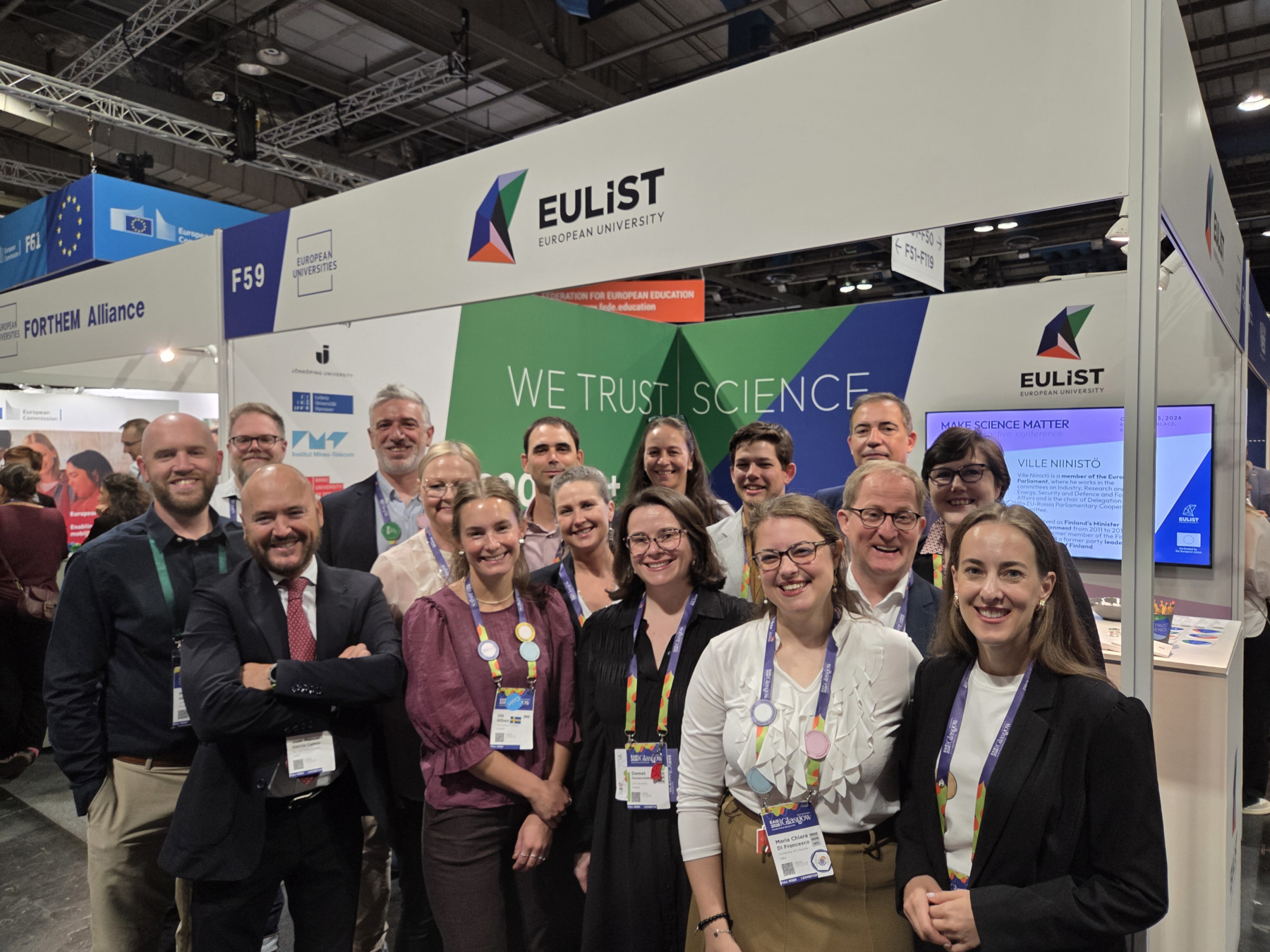
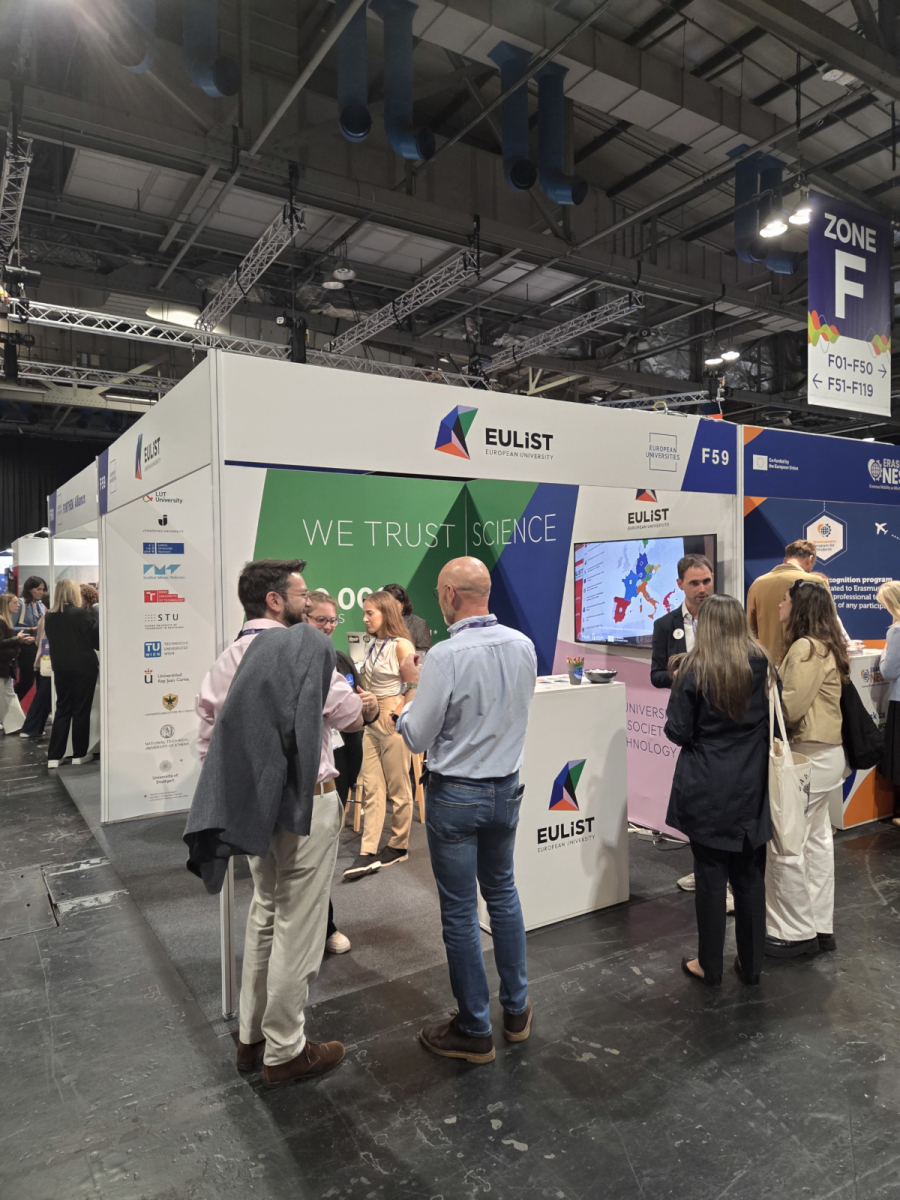
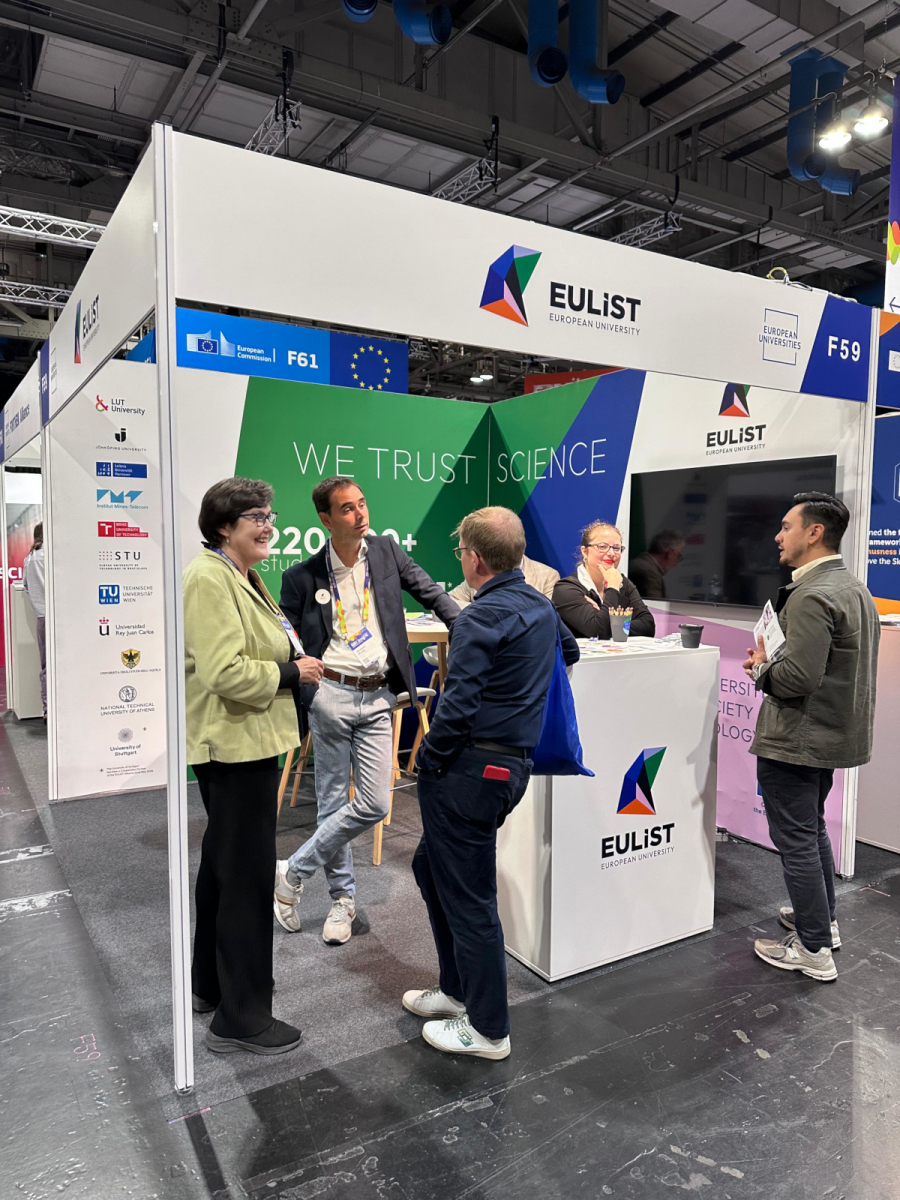
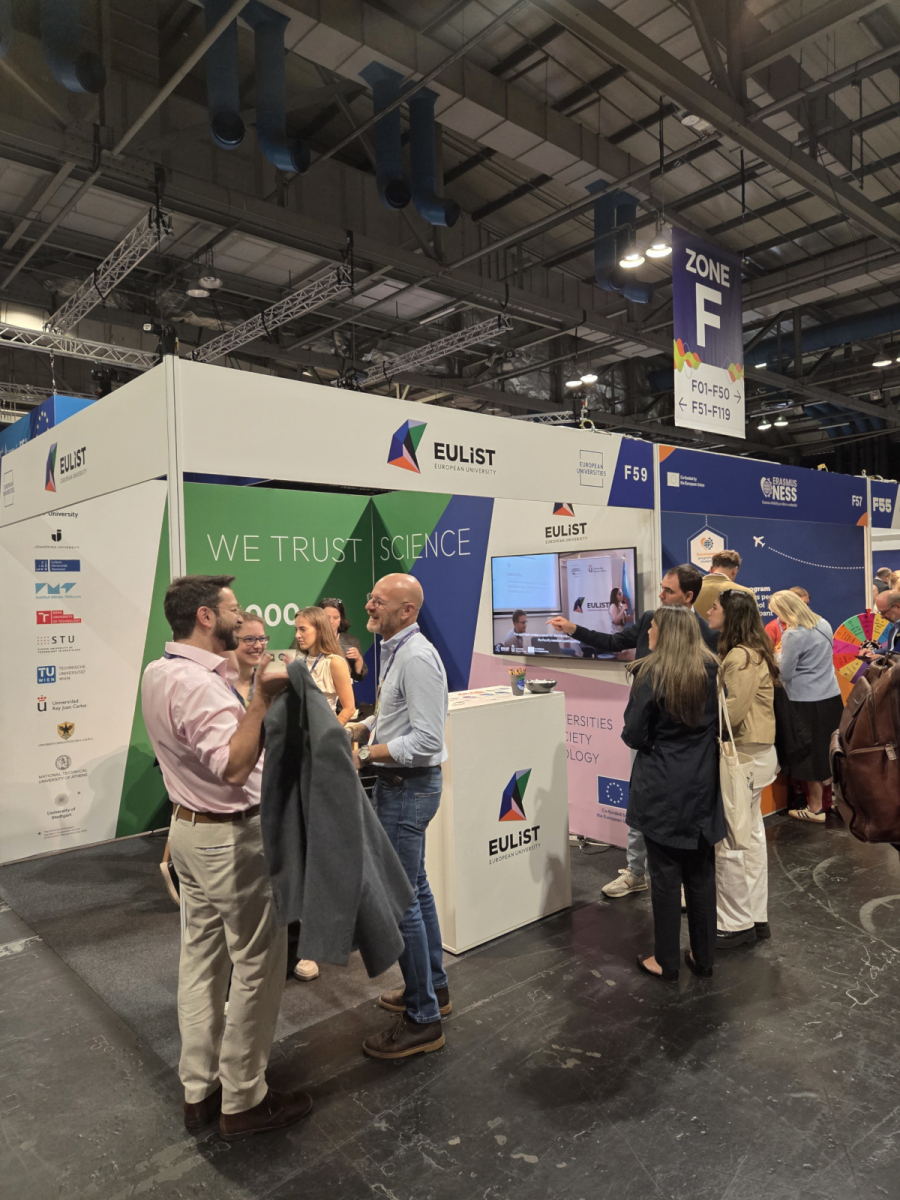
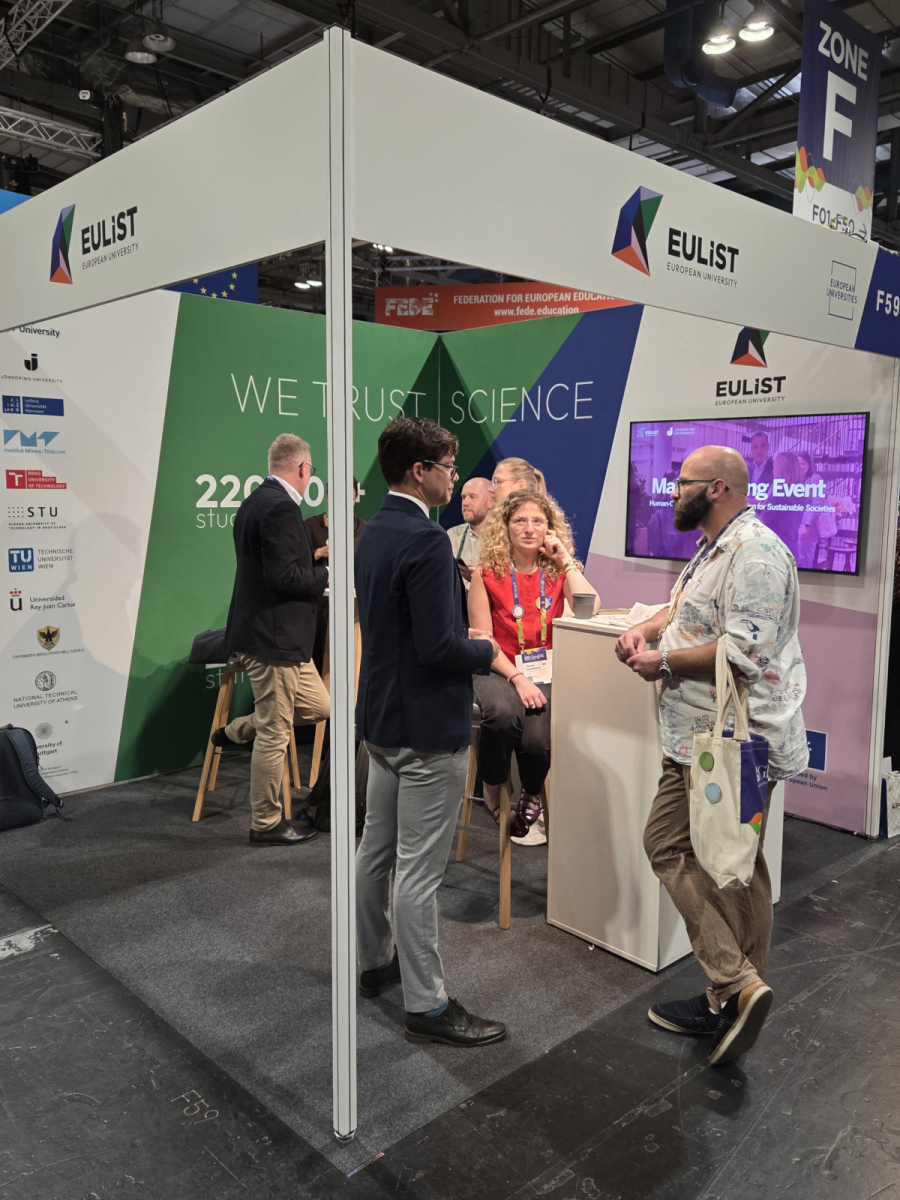
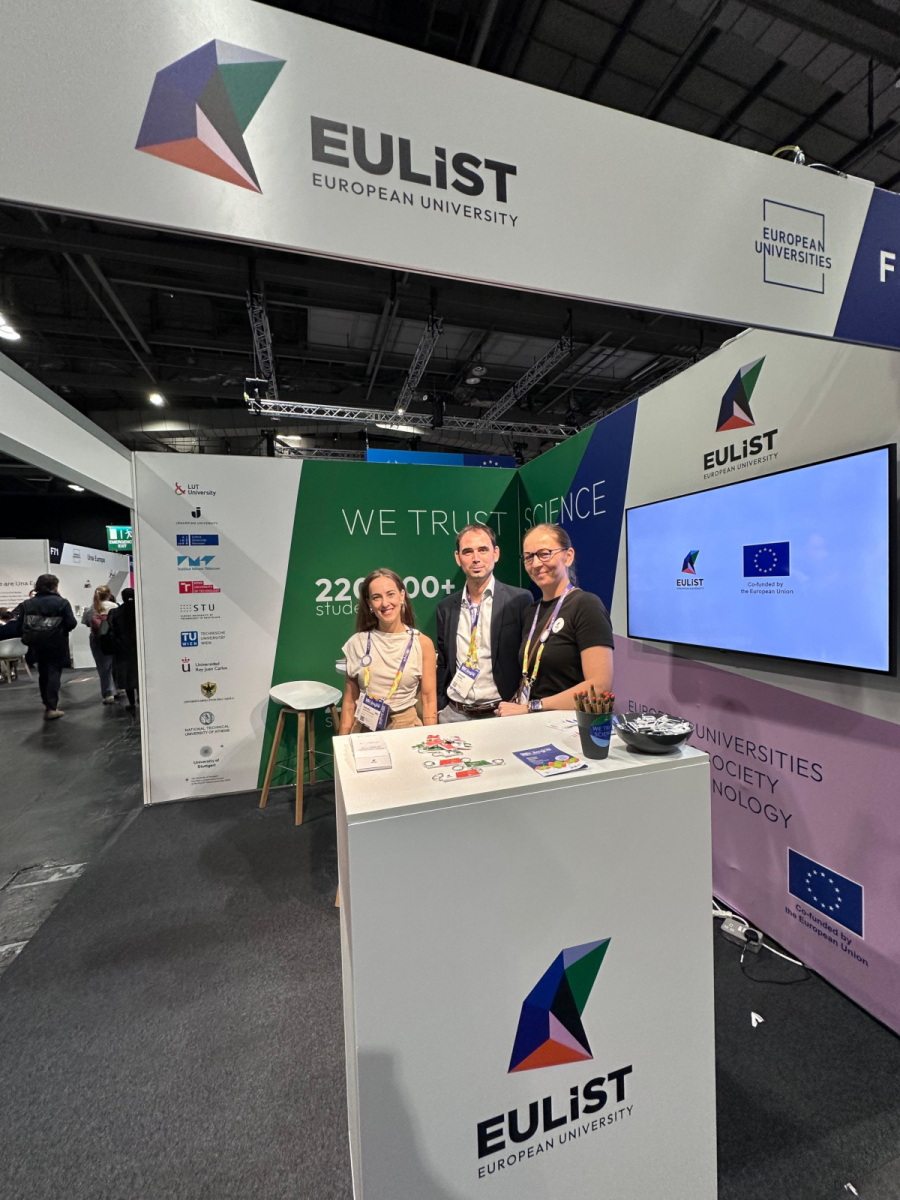
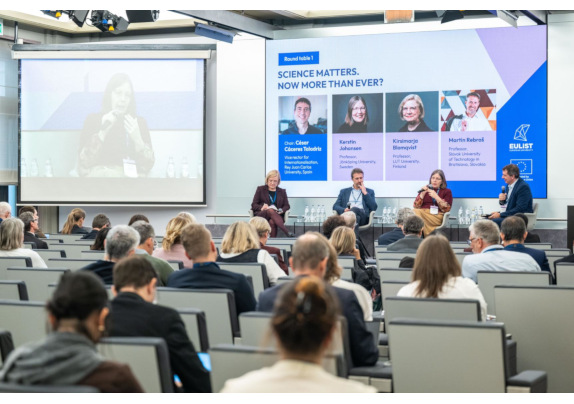
Over three demanding yet rewarding days, we had the opportunity to present our main goals, celebrate our achievements so far, and highlight the passionate people working behind the scenes to make it all happen.


Key Highlights from EAIE 2026:

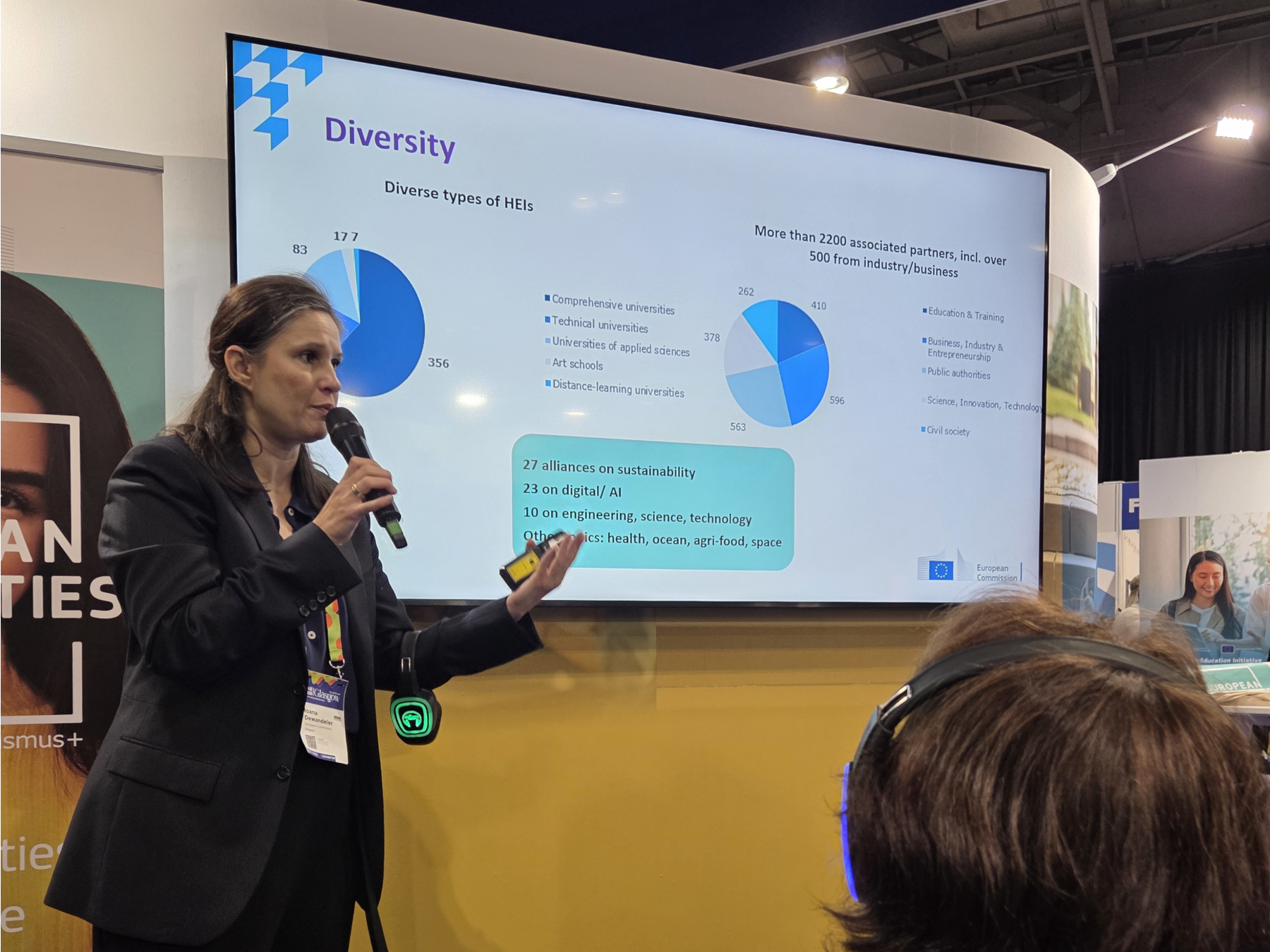
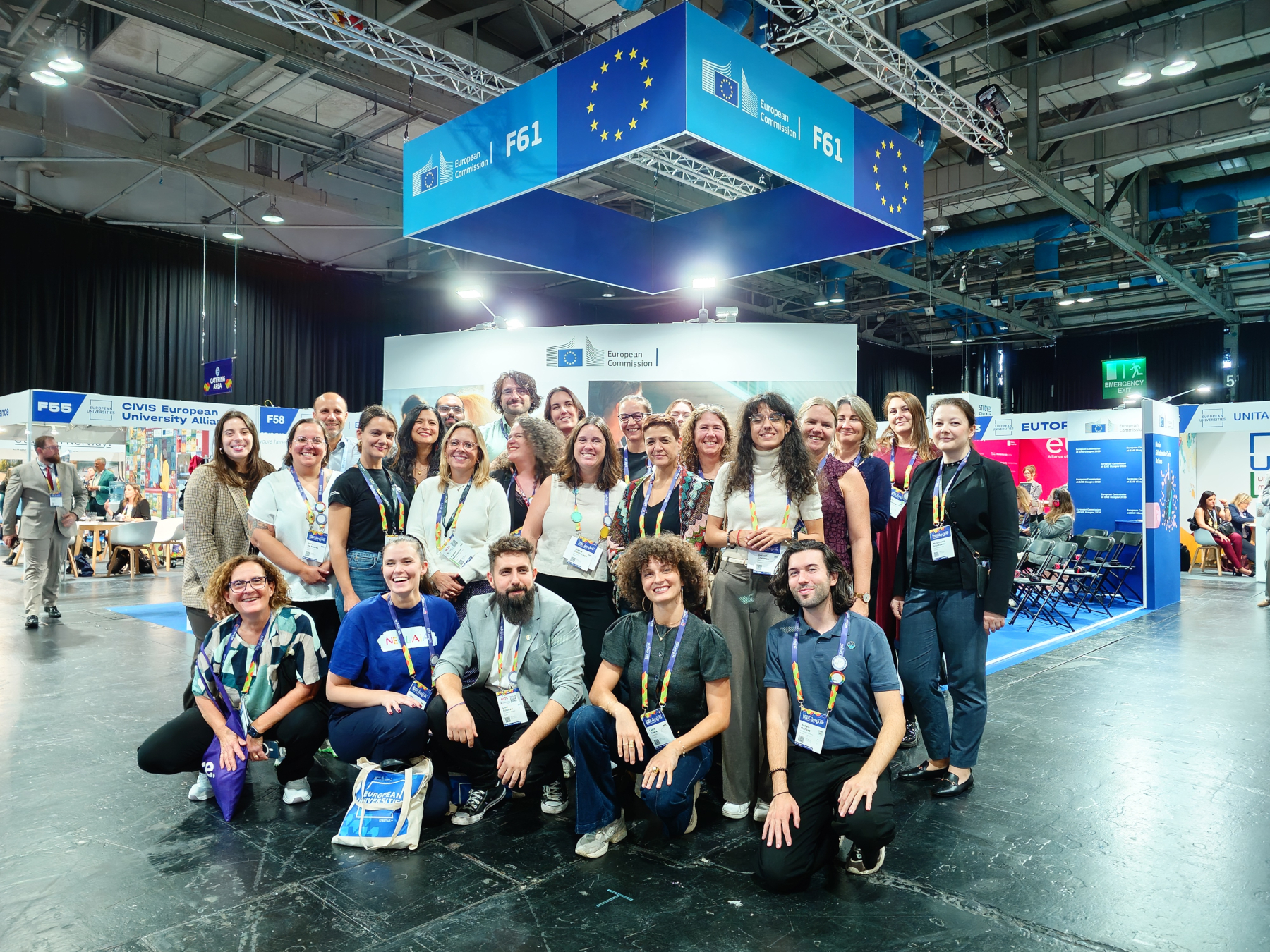
  • Among Leaders in European Education: We joined more than 30 European University Alliances in Glasgow. Together, we shared our major achievements over the past year and showcased how our alliances are shaping the future of higher education.
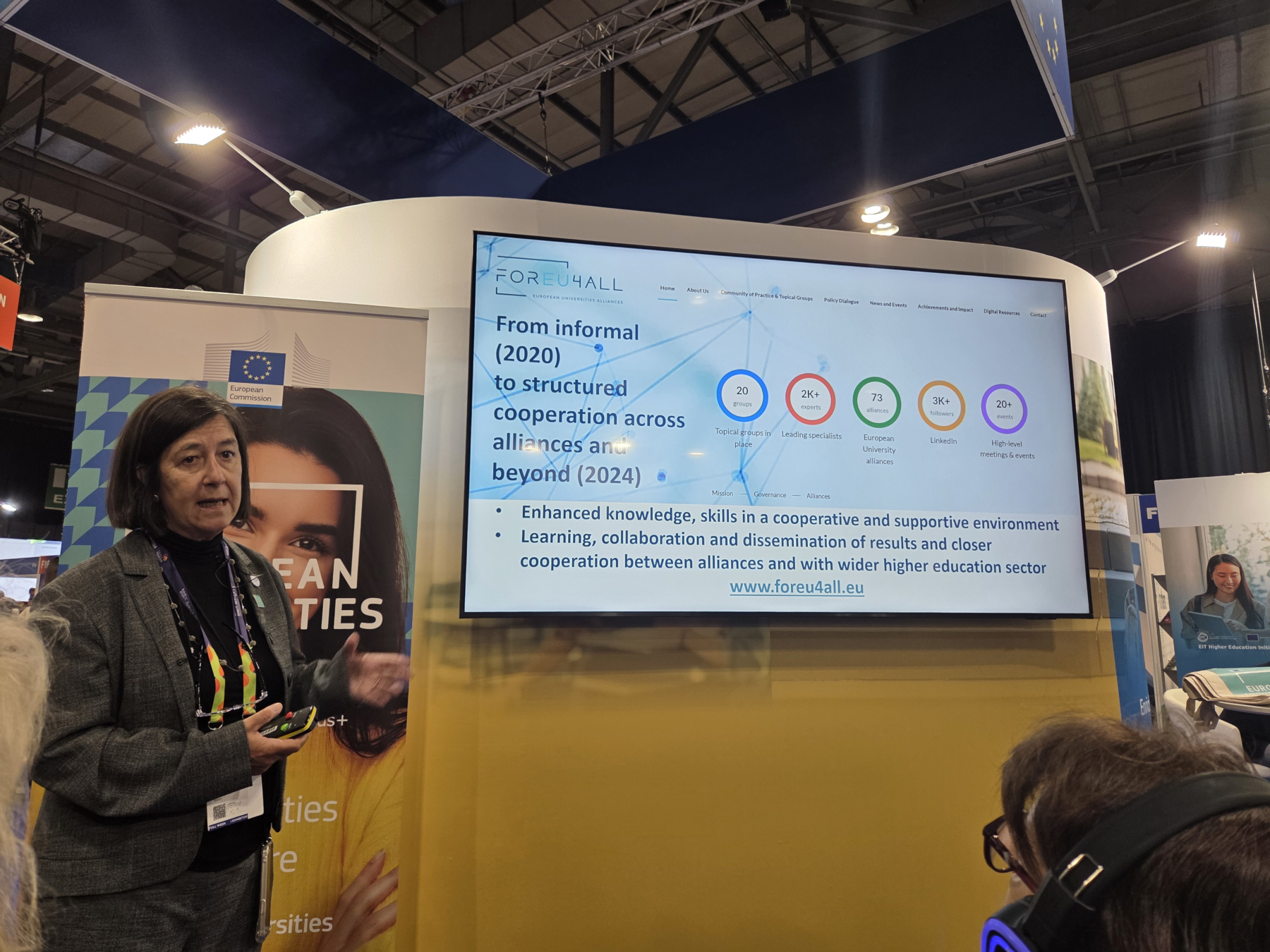
  • Inspiring Sessions & EC Presentations: Beyond attending dozens of insightful discussions and workshops on international cooperation, teaching innovation, and student mobility, we participated in discussions and presentations at the European Commission booth. There, the FOREU4ALL initiative — of which EULiST is a proud part — was actively presented.
Sessions and Presentations
 
  • In-Person FOREU4ALL Meetings: A major milestone was connecting face-to-face within the FOREU4ALL community. On-site, we gathered with colleagues from the Communication Topical Group to exchange practical experiences and strategy.


  • Showcasing Our Latest News: We presented key updates from our alliance, including our upcoming flagship conference, “Make Science Matter”, and the “EULiST Course Catalog” — offering students flexible educational opportunities across partner universities.

A huge thank you to everyone who represented our alliance at our booth and helped spread the EULiST mission, as well as to all partners and colleagues for the inspiring conversations!


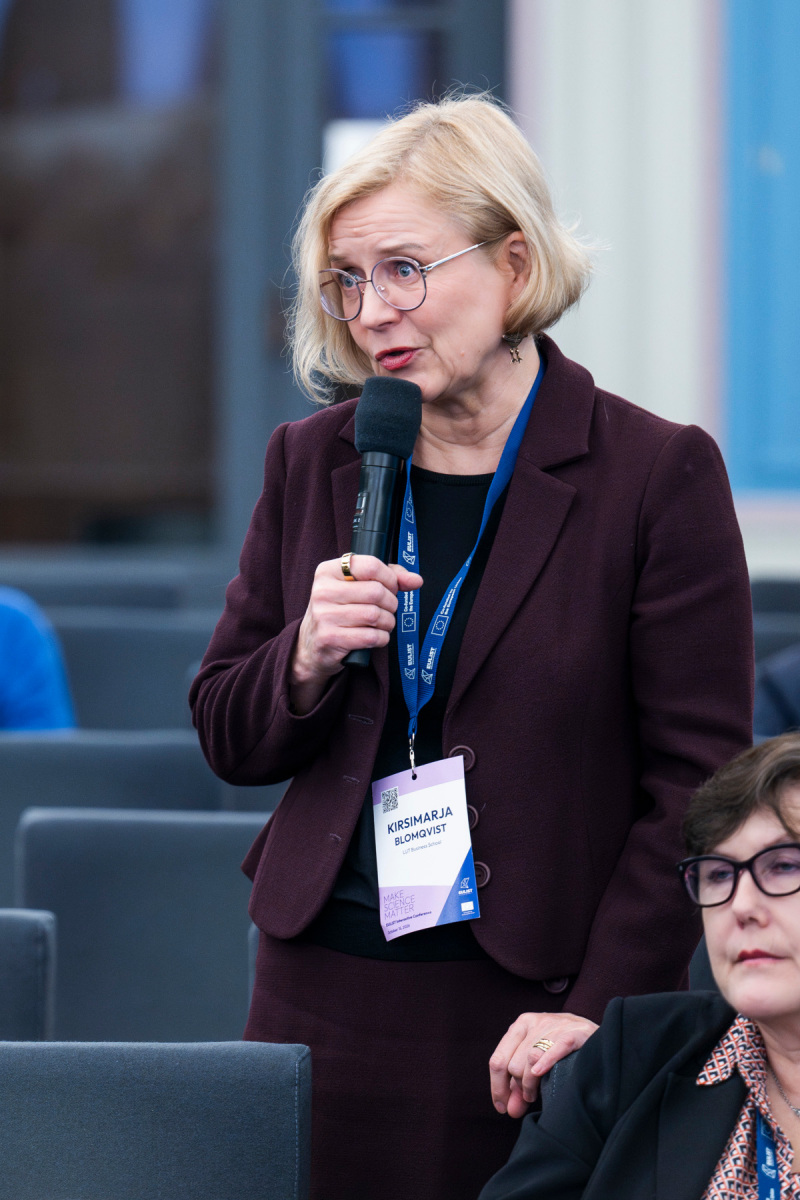
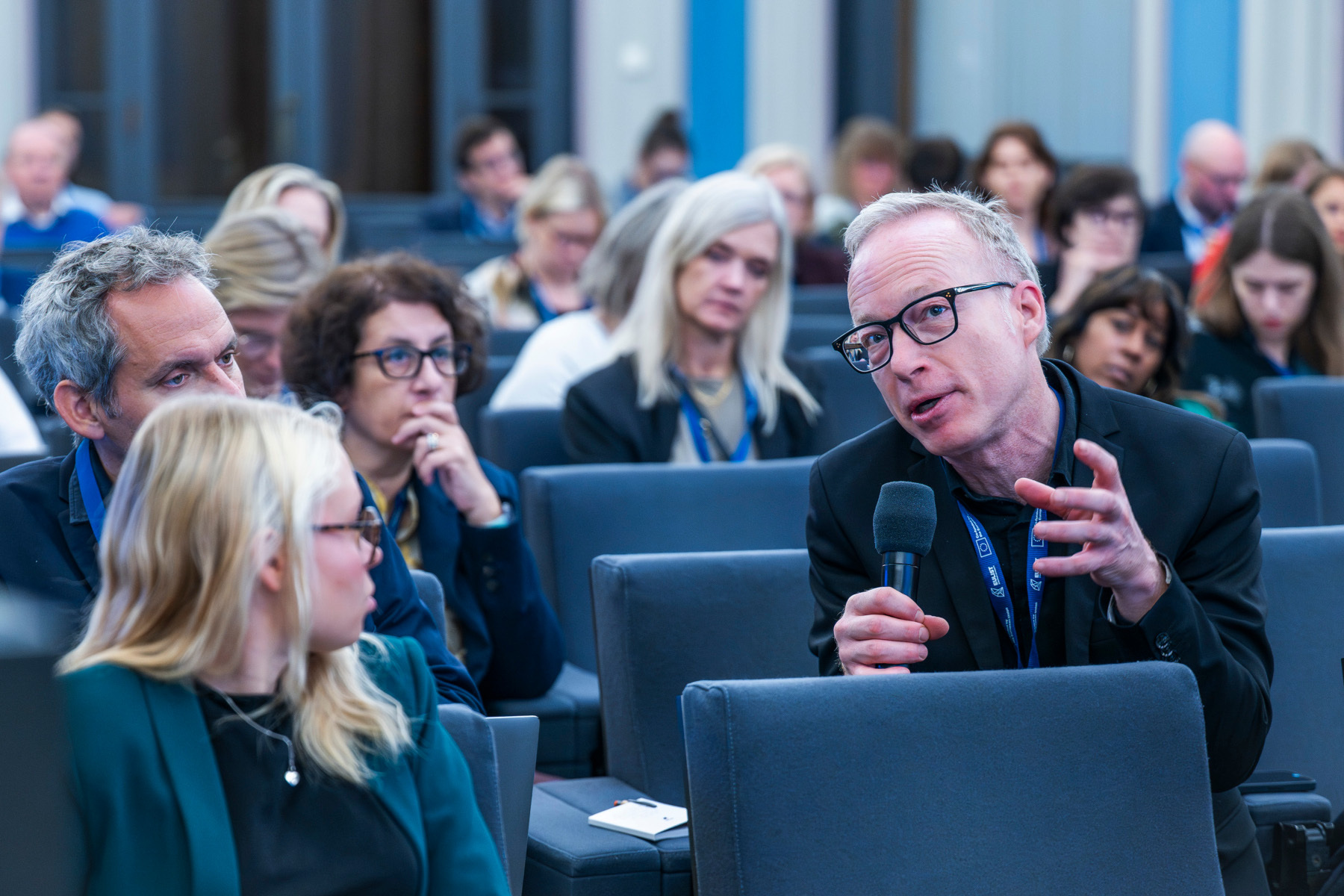
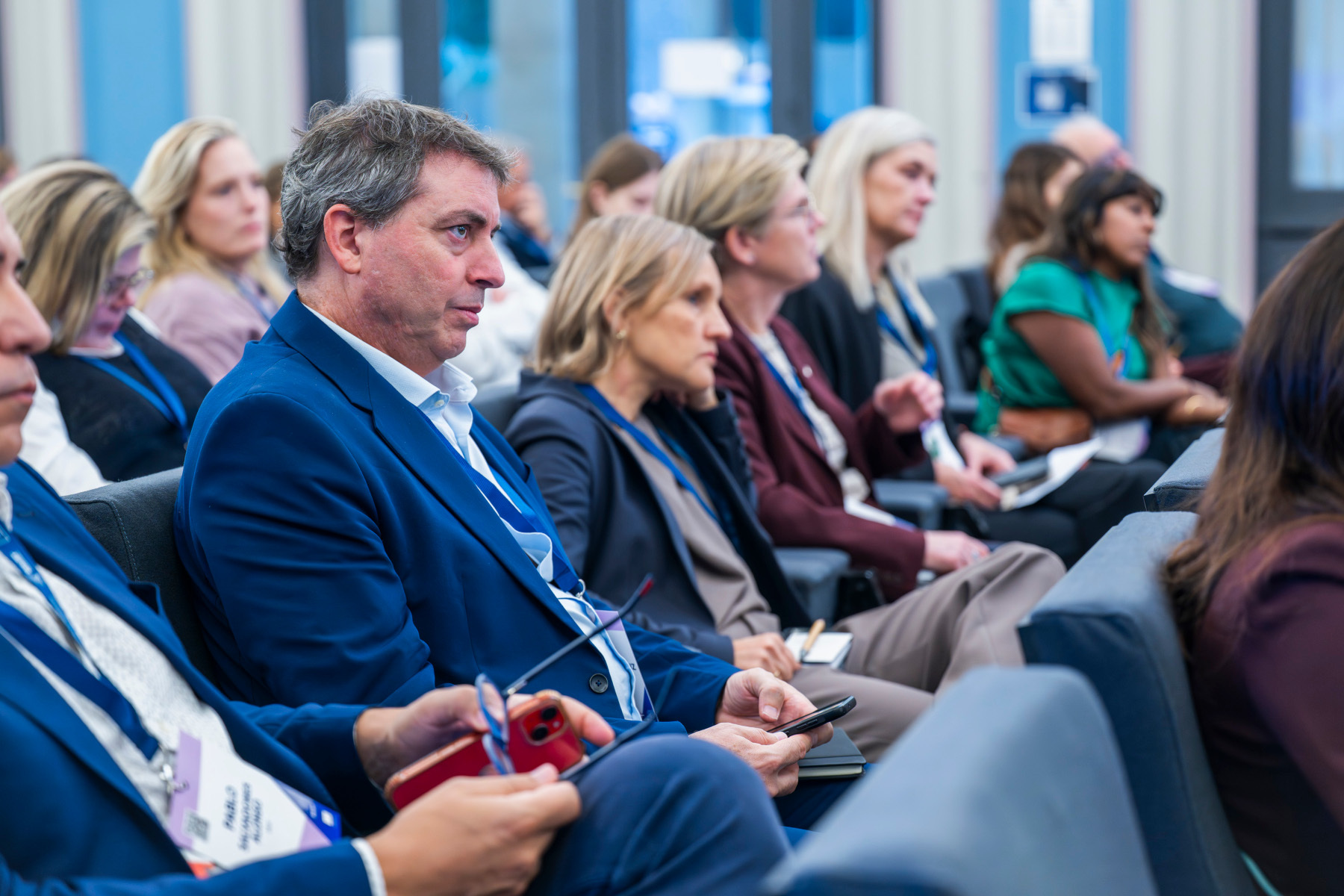
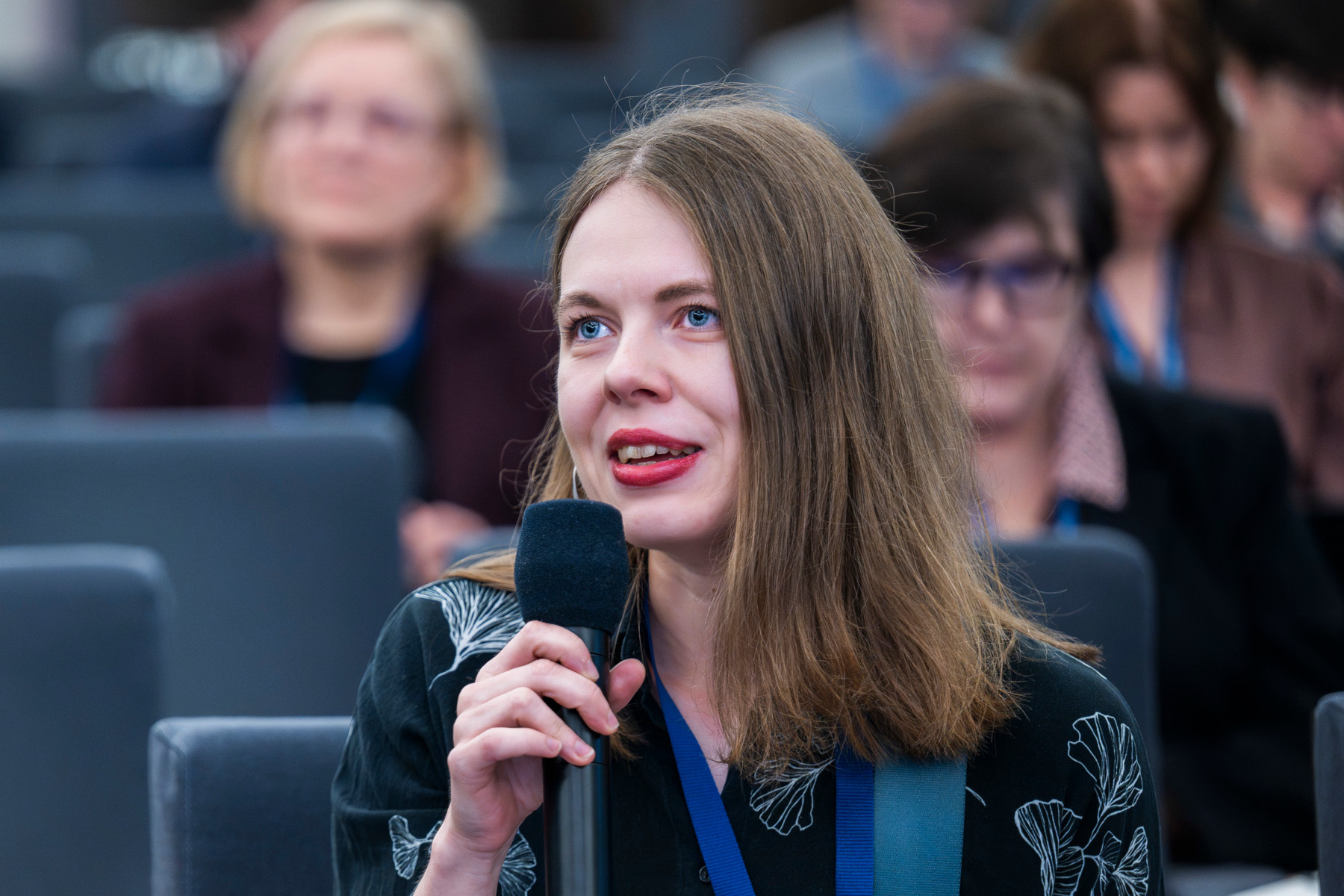
EAIE-2
EAIE-1
EAIE-4
EAIE-3
IMG-20260914-WA0003

PreviousRegistration Now Open: RM-SLO-PLUS-HUB Training Package
NextFrom the EULiST BIP to Scientific Research: «Integrated 3D Documentation of Cultural Heritage Using Photogrammetry and SLAM»

Discover Academic Life Across the EULiST Alliance – New Episodes of “Taking Your Academic Career Abroad”

01/09/2026

Ever wondered what a career in academia looks like at one of our EULiST partner universities? Our podcast series “Taking Your Academic Career Abroad” takes you there — one conversation at a time.

In this series, professors and researchers from around the world talk openly about their career paths, the realities of academic systems in their countries, and what it really means to build a life in research abroad. Several episodes zoom in specifically on universities from the European University Alliance EULiST, giving doctoral candidates and postdocs at Leibniz University Hannover a first-hand, insider look at the academic cultures of our closest European partners.
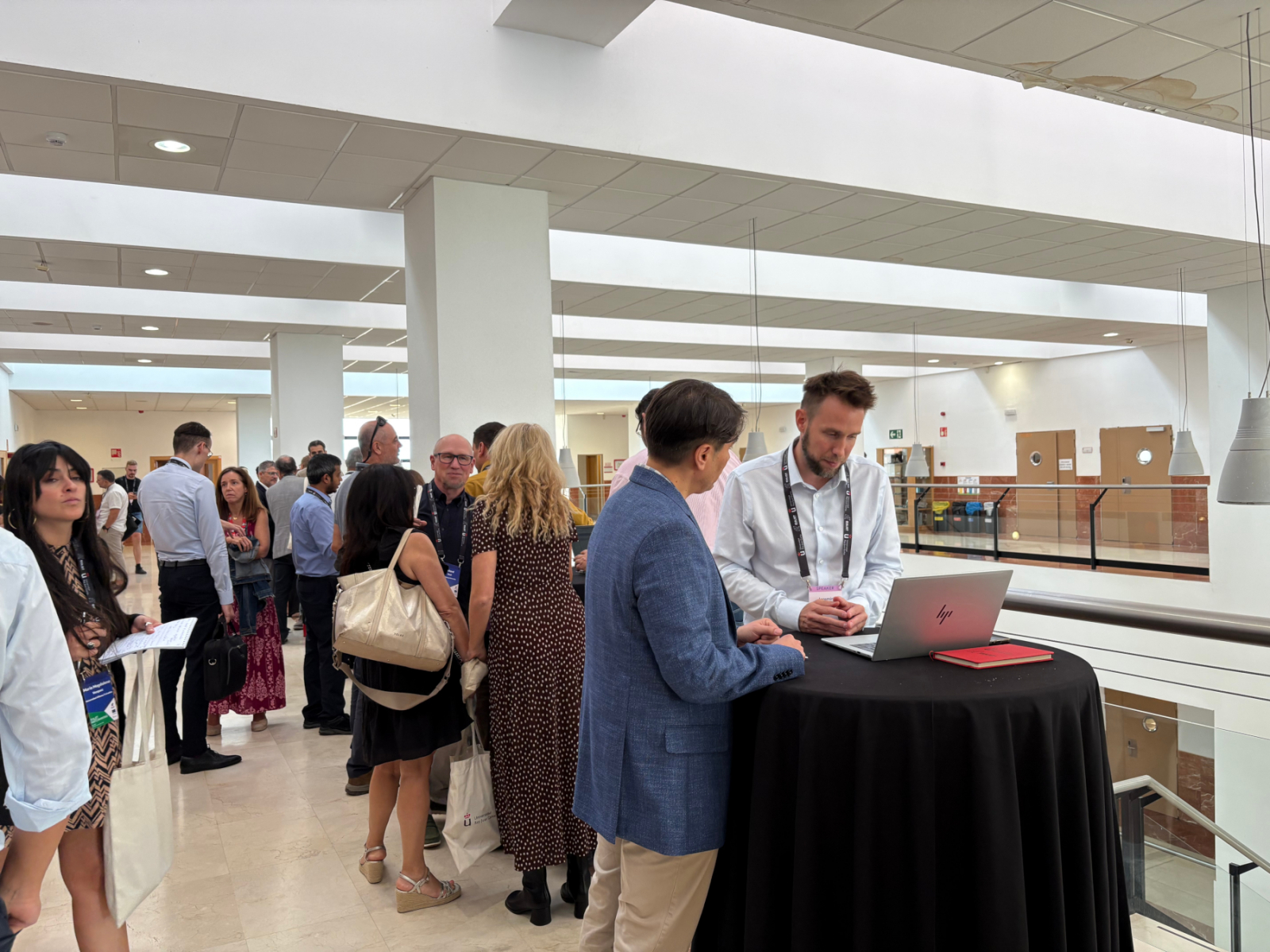
Meet Our EULiST Guests

Episode 3 — Taking Your Academic Career Abroad to Italy with Dr. Matteo Ardini (32 min) A postdoc and researcher in Biochemistry, Structural Biology and Bionanotechnology at the University of L’Aquila, Dr. Ardini shares what it’s like to navigate the Italian “tenure track postdoc” position, work with tighter funding than in Germany, and pursue the national scientific habilitation — a path quite different from the German route to a professorship.

Episode 5 — Taking Your Academic Career Abroad to Germany with Dr. Kerstin Schäfer (34 min) This episode turns the lens on our own EULiST site: Leibniz University Hannover. Dr. Schäfer, now an assistant professor in the Netherlands and formerly a PhD student and postdoc here in Hannover, talks about strategically planning a postdoc career, securing prestigious funding, and making the most of international opportunities along the way.

Episode 6 — Taking Your Academic Career Abroad to Sweden with Prof. Dr. Lucia Naldi (30 min) A business administration expert and former vice president for early career researchers at Jönköping University, Prof. Naldi walks us through Sweden’s academic career path, the opportunities open to PhD students and postdocs there, and her own journey to a professorship.

Why Listen?

  • Get an authentic, personal perspective on academic careers within the EULiST network
  • Compare career structures, funding systems, and qualification paths across Italy, Sweden, and Germany
  • Pick up practical insights if you’re considering a research stay or career move within the alliance

All episodes are available on Spotify — find the full series and more information on the Graduate Academy website.

A joint production of the International Office and the Graduate Academy, Leibniz University Hannover.


PreviousEULiST Blended Intensive Program: «Advances in Sustainable Building Energy Technologies and Smart Decarbonisation»
NextRegistration Now Open: RM-SLO-PLUS-HUB Training Package

2nd EUI Research and Practice Symposium

27/07/2026

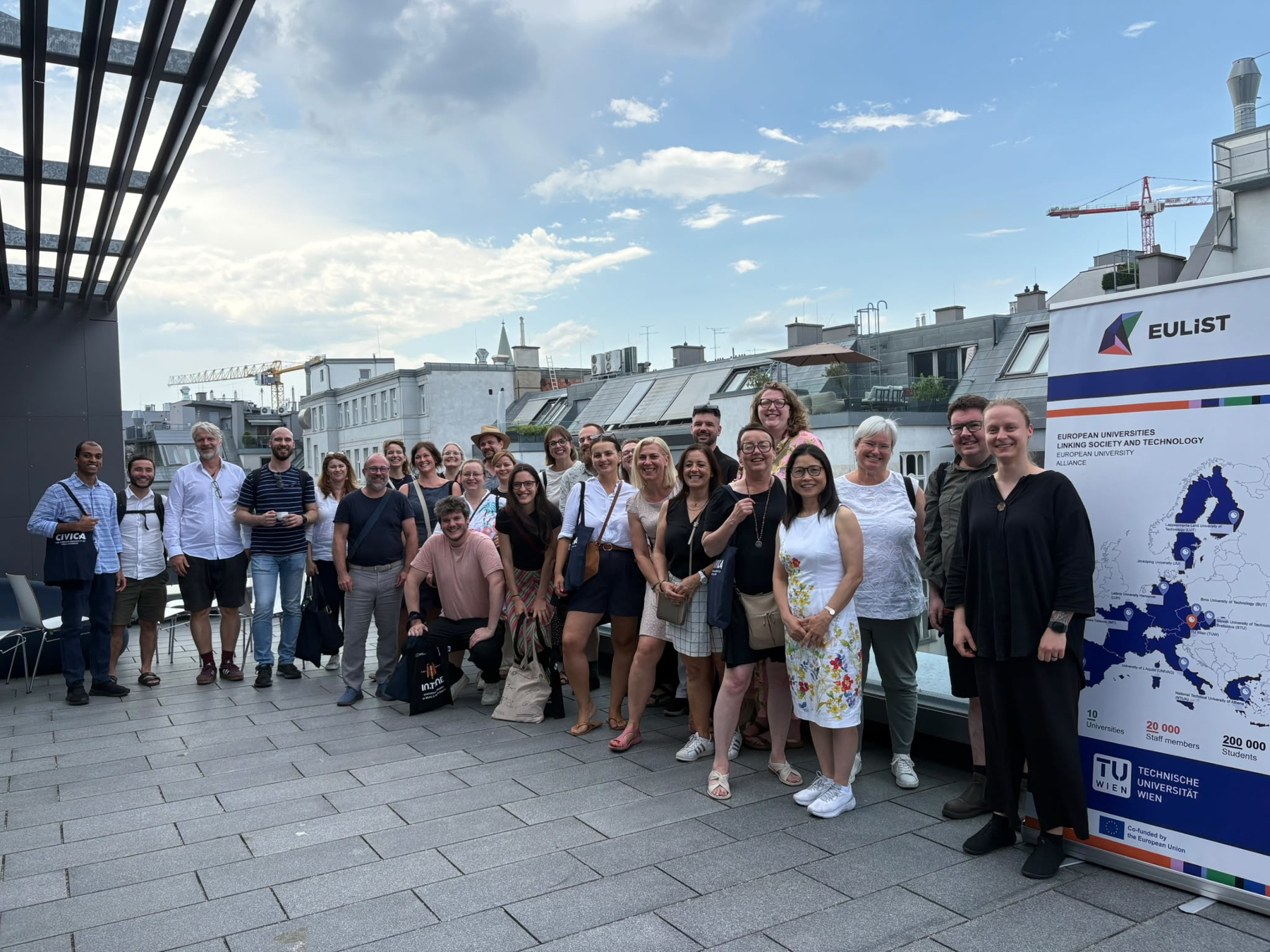
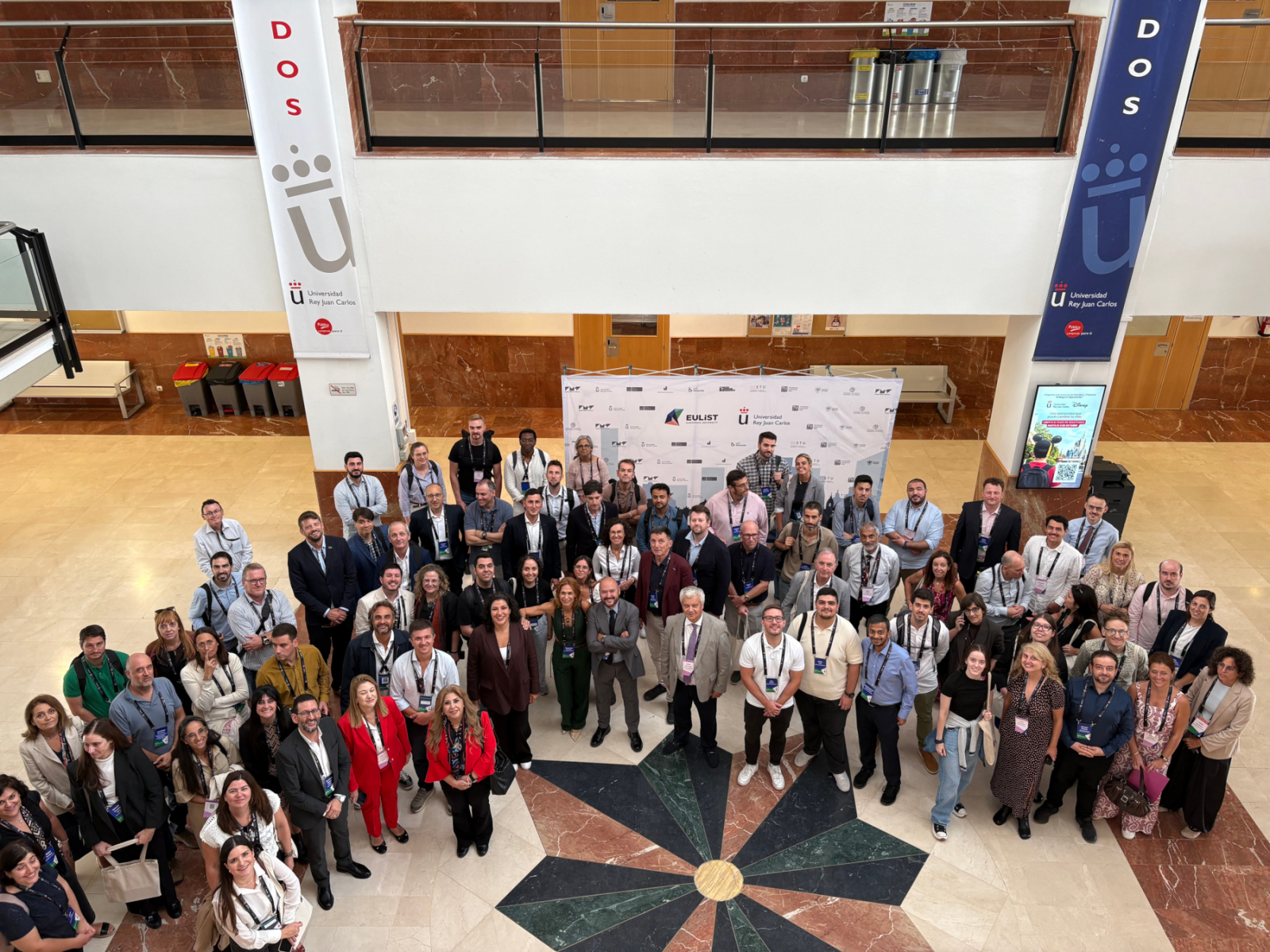
The European University Initiative (EUI) has been influencing and shaping universities for the better part of a decade, attracting growing interest from researchers across Europe. Recognising this momentum, a group of active researchers decided to stage a symposium on the EUI. Rather than simply bringing academics together, the event explicitly invited practitioners to contribute and attend. The second edition of the EUI Research and Practice Symposium took place on 2–3 July 2026 at WU Vienna. Chris Schubert and Gregor had the opportunity to attend, representing EULiST.

Alliance Hopping Tour

The symposium was complemented by an “alliance hopping” tour. Roughly 30 participants visited all Viennese universities participating in a European University Alliance. Alongside BOKU, the University of Vienna, the University of Music and Performing Arts, and Central European University, TU Wien had the honour of hosting the delegation. In two sessions covering the European Campus Hainburg initiative and EULiST’s impact on the TU Wien student union, participants gained insight into how EULiST is shaping initiatives on campus.

Dean Marko Mihovilovic presented the current status of the European Campus Hainburg initiative, a project involving St. Pölten University of Applied Sciences, TU Wien, and the EUDRES and EULiST alliances. Backed by the state of Lower Austria, the project aims to establish a science hub in Hainburg, a town on the Danube between Vienna and Bratislava. Set on former military grounds, the new physical campus will cater to the growing number of professionals relocating to the region. Initial plans include launching a degree programme led by the University of Applied Sciences St. Pölten and creating a hub for Green Technologies and Innovation. Further details on European Campus Hainburg can be found here: https://eudres.eu/europacampus-hainburg

Local coordinator Gregor Fischer presented how EULiST has reshaped the TU Wien student union (HTU) since students gained representation in the alliance’s governance. HTU, an institution with 80 years of history and well-established structures, had to rapidly adapt to this new form of representation. EULiST’s influence led to structural changes, from establishing new voting procedures to founding a department for International Affairs. This department became the foundation for a new movement within the student union, aimed at strengthening the voice and representation of international students by removing language barriers in service advertisements and information provision.
2nd EUI Research and Practice Symposium

A key topic of the symposium was impact. The discussion began with how to measure it, featuring an excellent keynote by Jelena Branković on how alliances are stepping into the metrics trap. What to measure where Alexandru Carțiș held a campfire around what to measure around the numerous Blended Intensive Programmes CIVIS has been setting up and how to judge their success. However, also some results were shown such as Andra Stan-Dragotesc’s presentation on the impact of European University Alliances in Romania.
Gregor Fischer: “From a practioner’s perspective this symposium gave many insights not only into the scientific analysis of alliances but also how other alliances operate and what their challenges are”

Further information on the symposium including a book of abstracts can be found here: https://www.wu.ac.at/eui26/eui26


PreviousIMT – Académie des sciences 2026 Prize: submit an application by September 2nd!
NextSustainability in Action – Circular Economy & Cradle to Cradle

IMT – Académie des sciences 2026 Prize: submit an application by September 2nd!

17/07/2026

The IMT – Académie des Sciences Prize, awarded annually by IMT in partnership with the French Academy of Sciences and with the support of the Fondation Mines-Télécom, celebrates outstanding scientific excellence at the European level. It recognizes researchers whose work contributes to major scientific and technological advances in four key areas:

  • Responsible industry of the future;
  • Digital sovereignty and digital sobriety;
  • Energy, circular economy and society;
  • Engineering for health and well-being.

The 2026 edition marks an important milestone in the evolution of the Prize. The Grand Prize is now the Women in Science Grand Prize, reaffirming the commitment to promoting the visibility and recognition of outstanding women scientists. The Young Talent Prize also becomes the Emerging Talent Prize, reflecting its ambition to recognize the next generation of leading researchers.

This edition is made possible thanks to the generous support of its patrons: BNP Paribas, Orange and Dassault Systèmes.

Good to know

  • The deadline for applications is Tuesday, 2 September 2026, at 11:00 p.m. (CEST) for both award categories.
  • Direct applications will not be considered. All nominations must be submitted to the French Academy of Sciences by a laboratory director, the head of an institution, or a Member of the Academy, who must endorse and support the nomination.

Learn more and submit a nomination:

  • Grand Prize for Women in Science IMT – Académie des sciences: https://www.academie-sciences.fr/en/grand-prize-women-science-imt-academie-des-sciences
  • The IMT – Académie des sciences Emerging Prize: https://www.academie-sciences.fr/en/imt-academie-des-sciences-emerging-prize


PreviousURJC brings together European Experts in Educational Innovation at the EULiST Summer School “Active Learning for European Universities”
Next2nd EUI Research and Practice Symposium

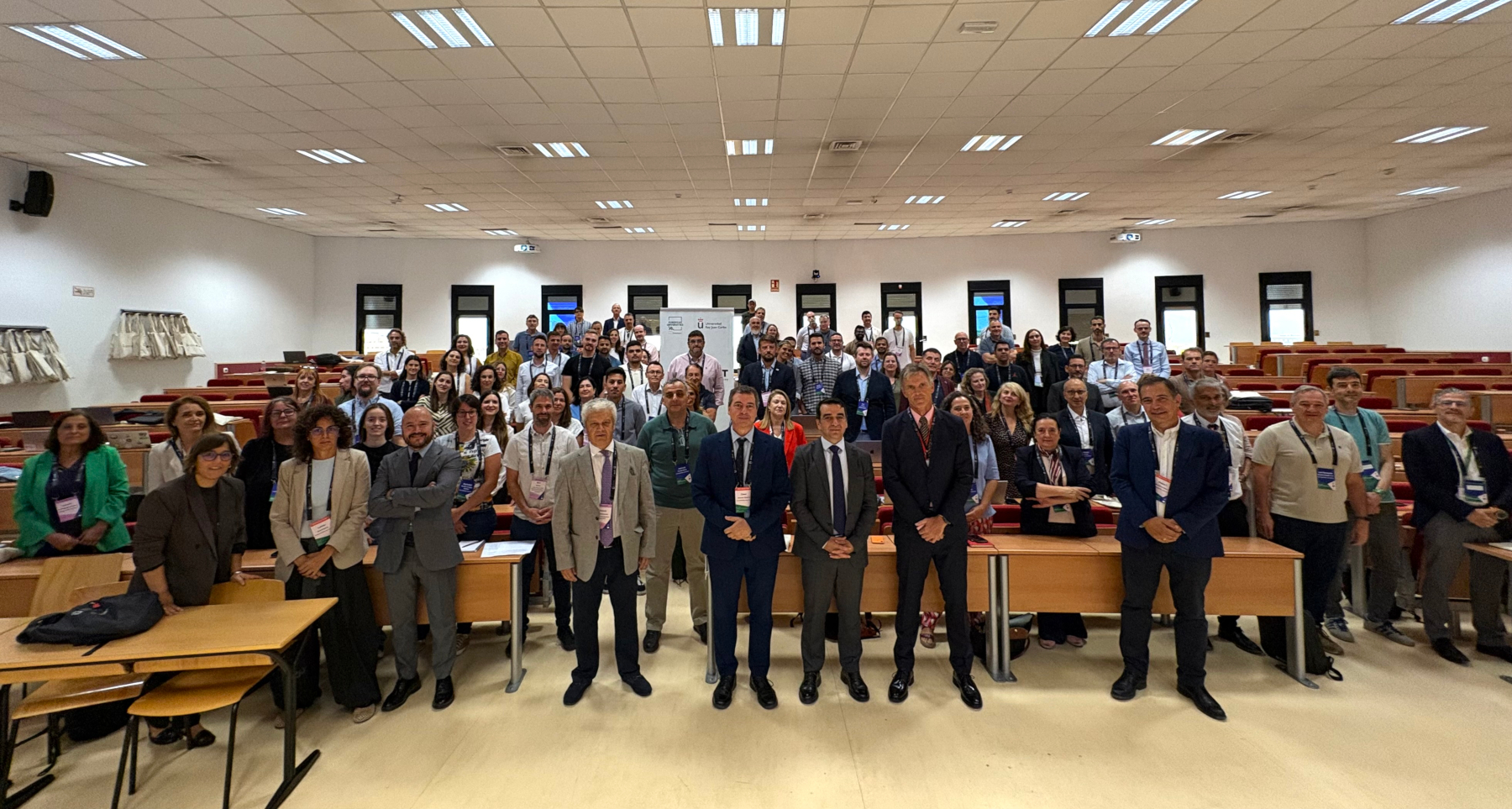
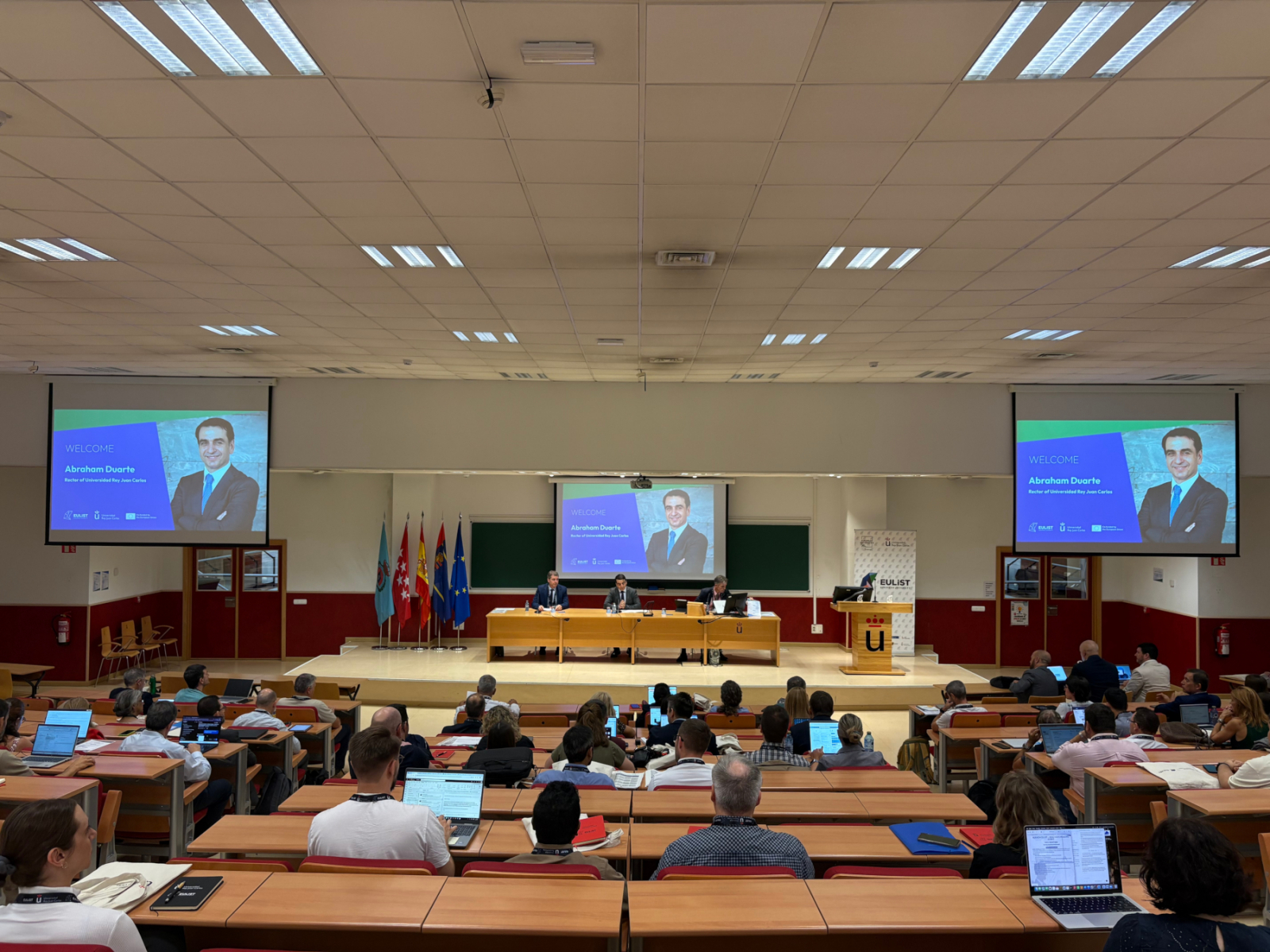
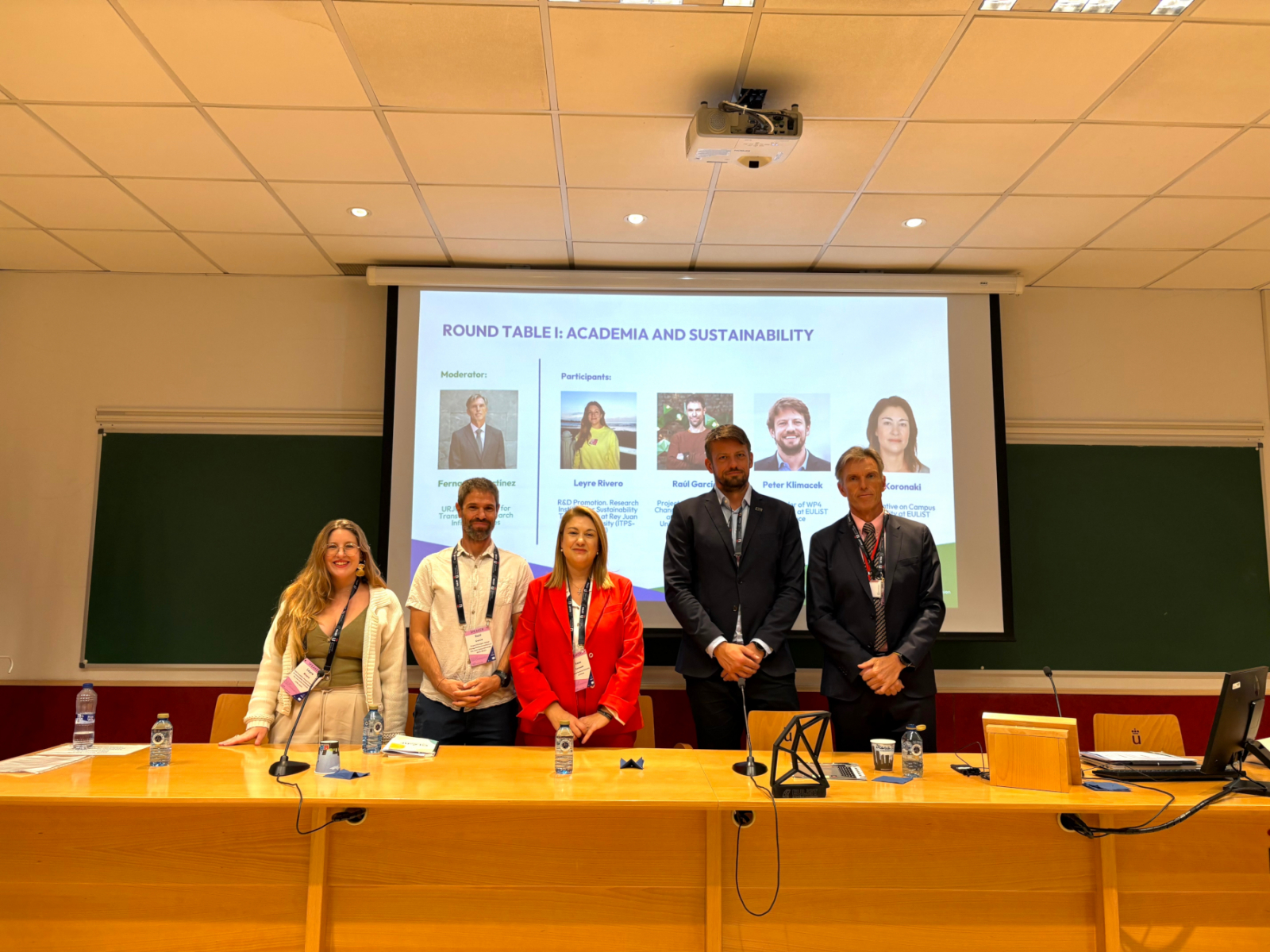
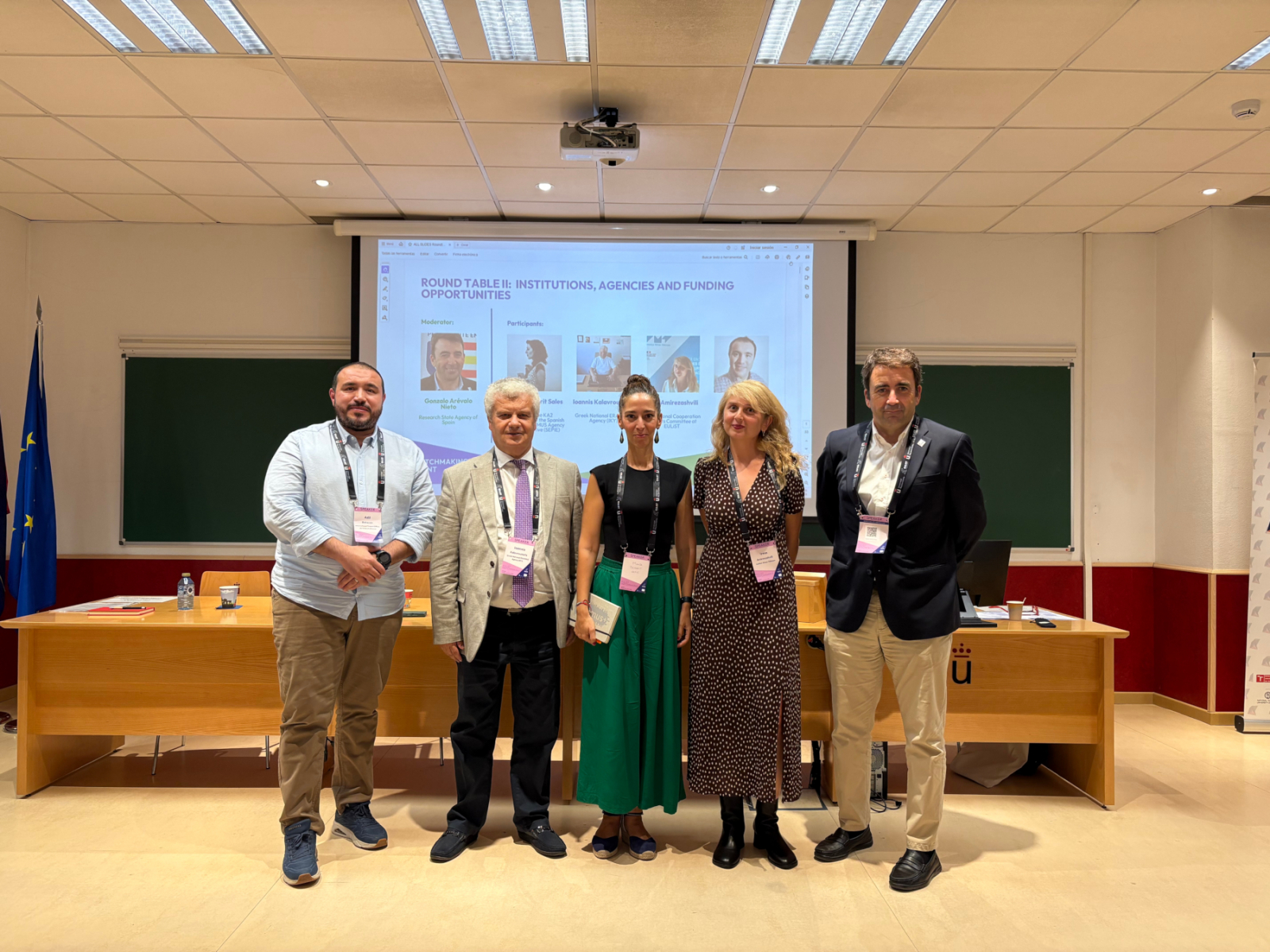
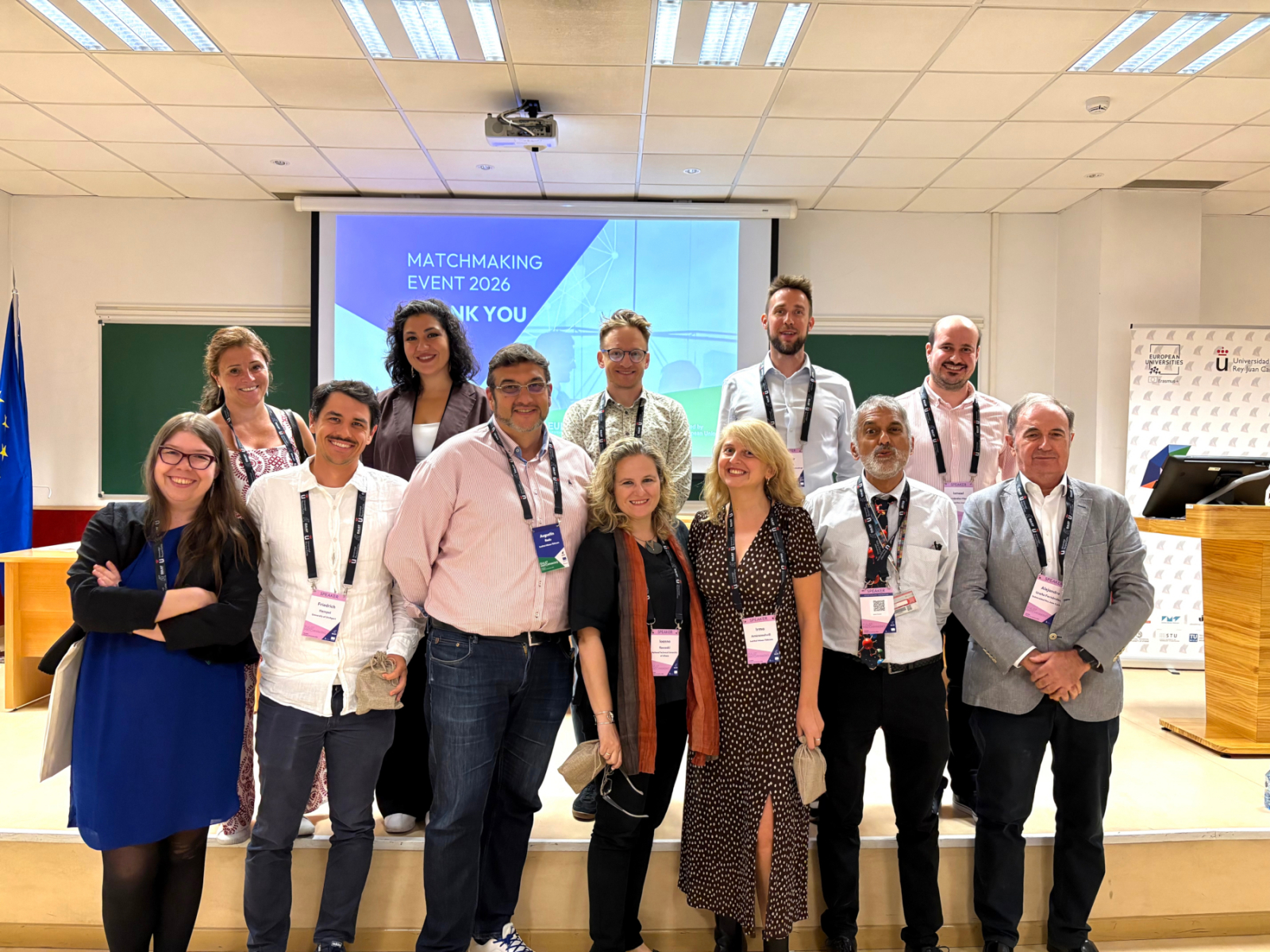
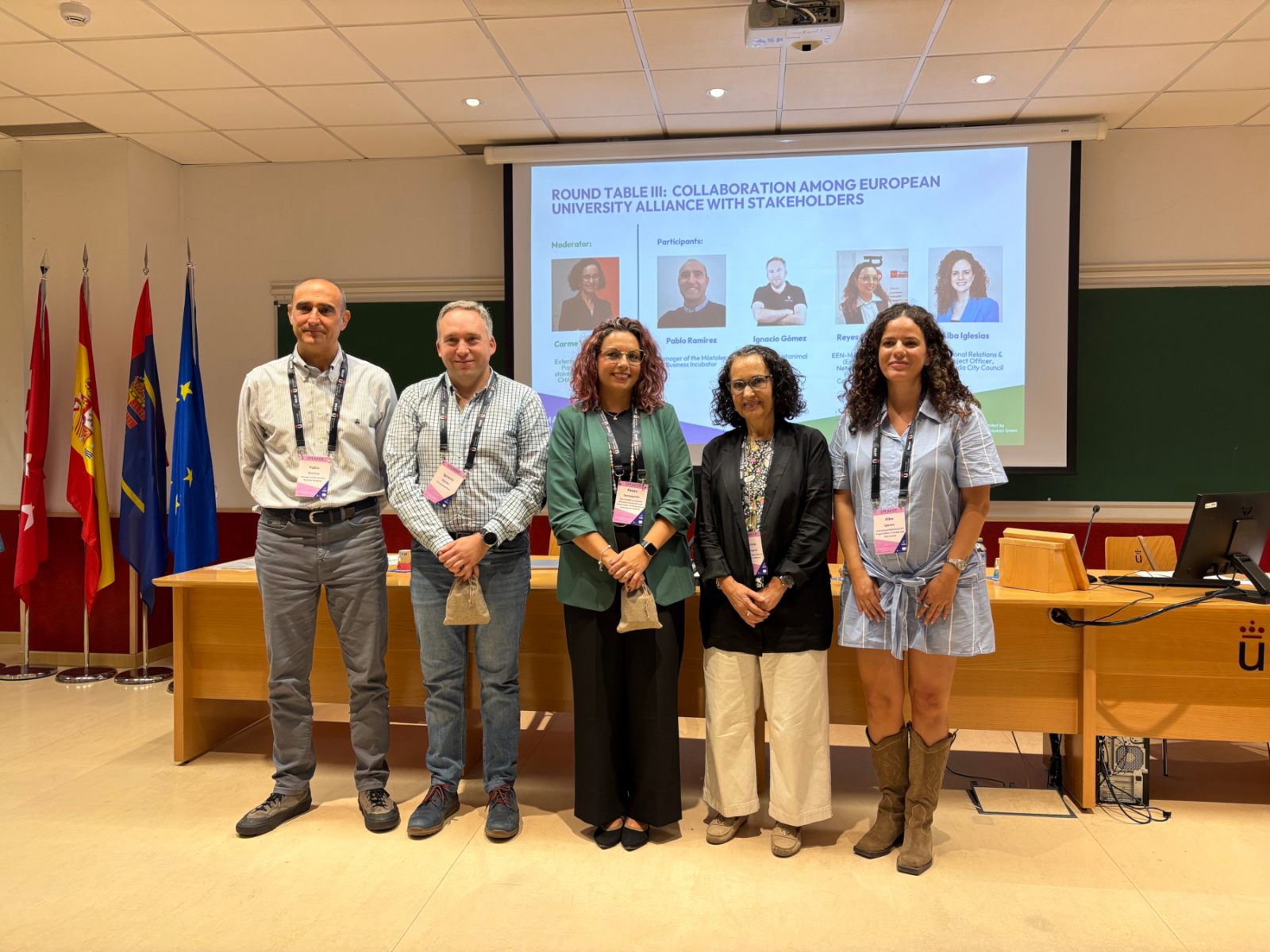
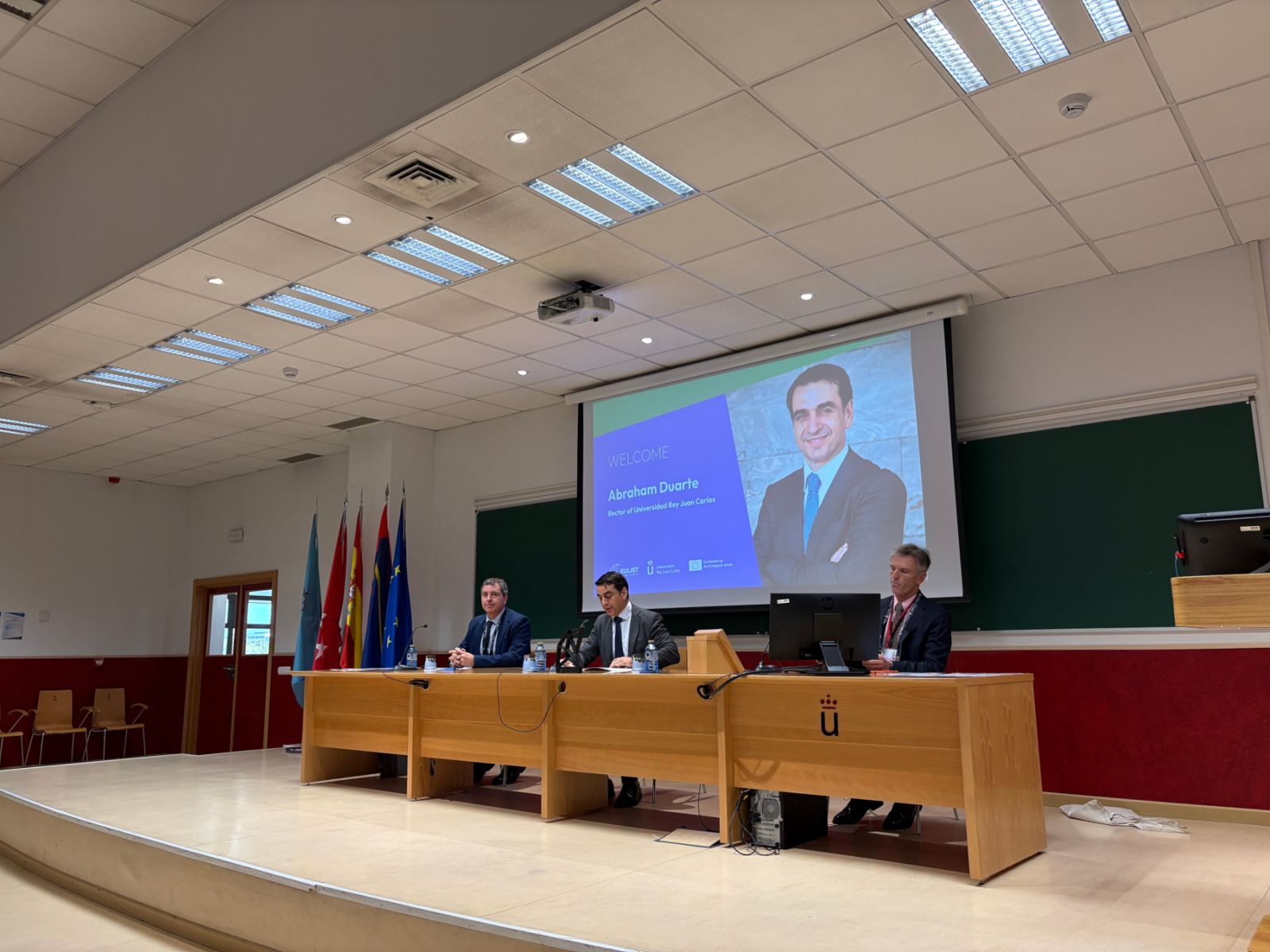
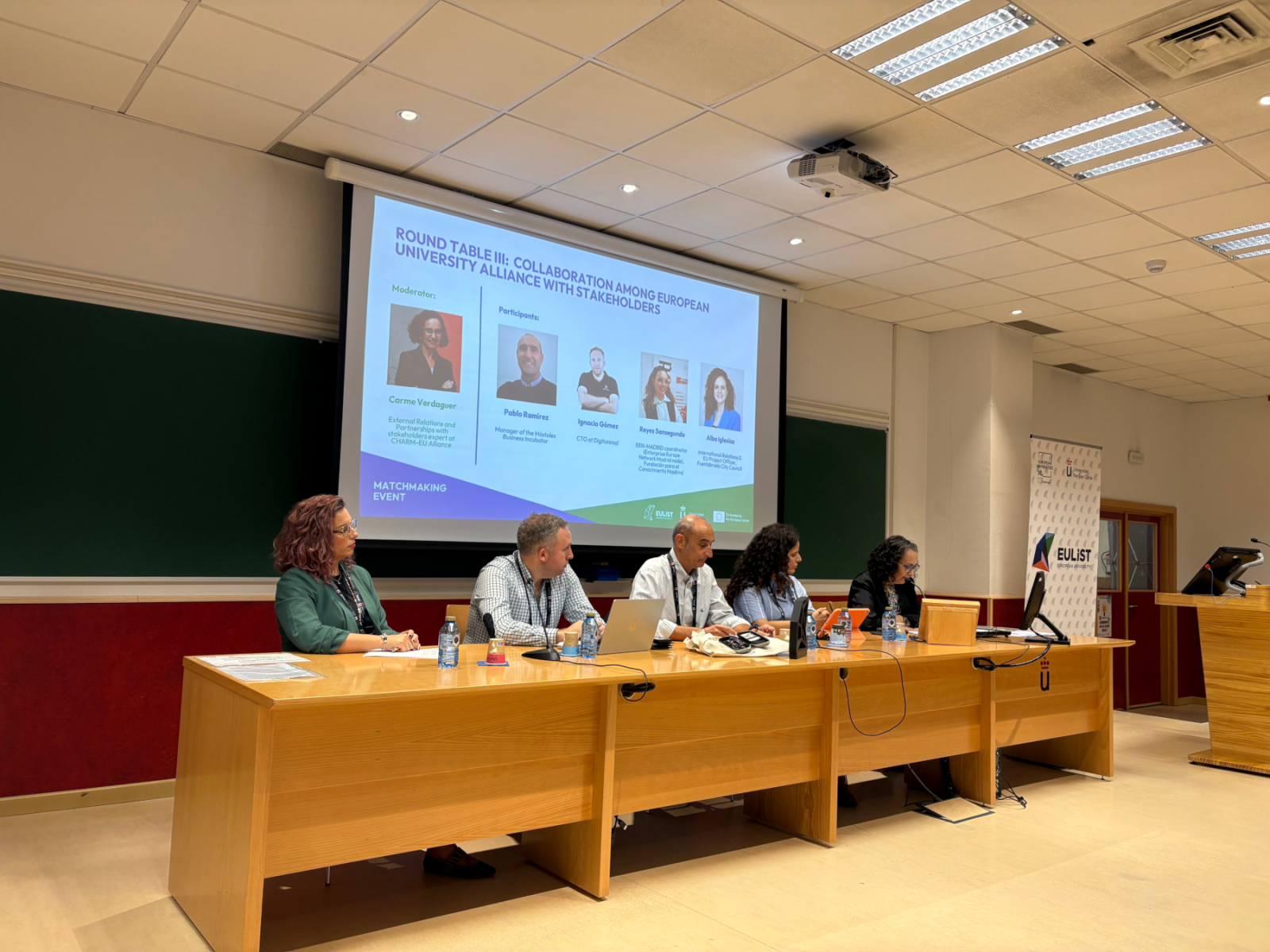
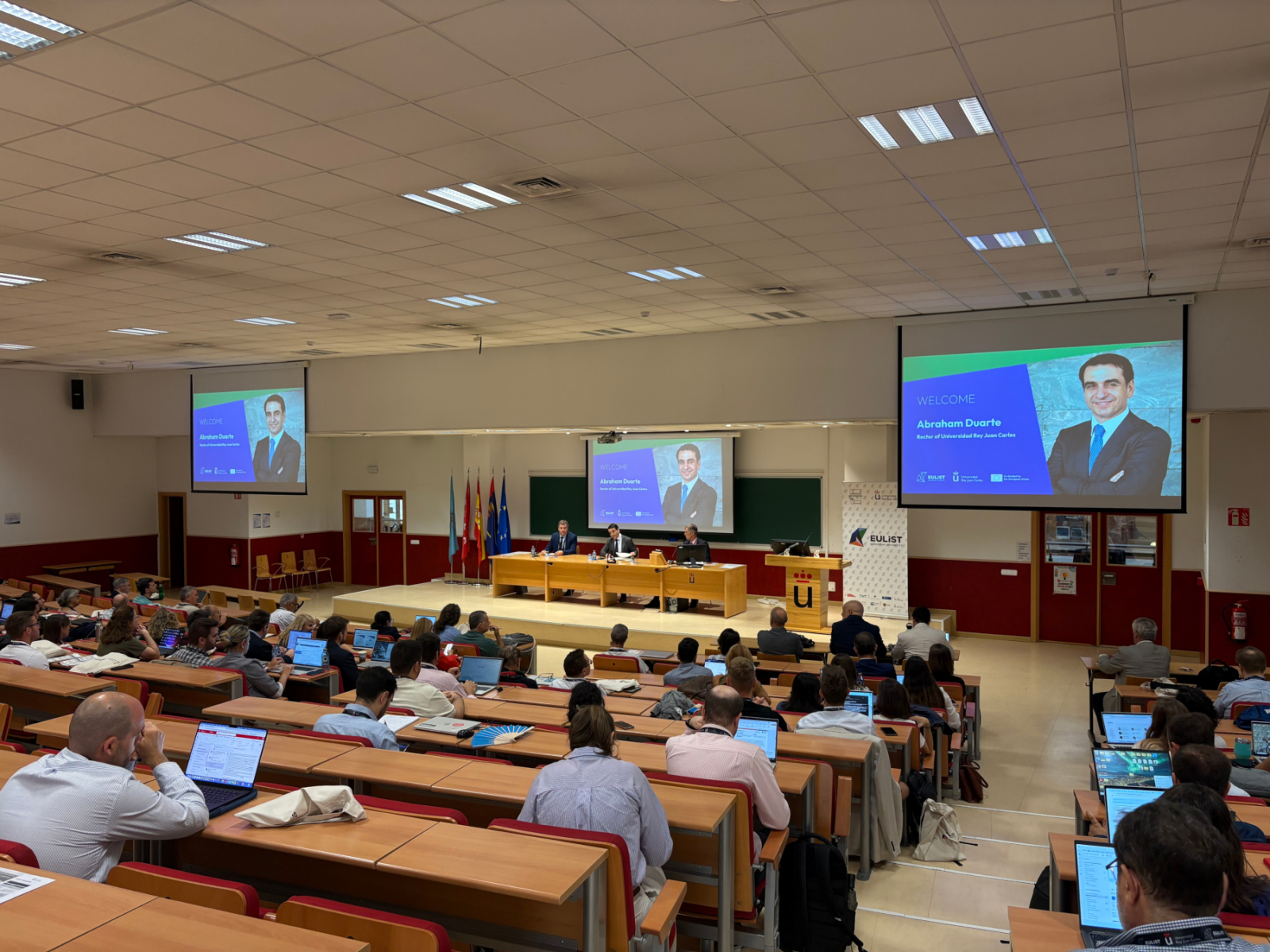
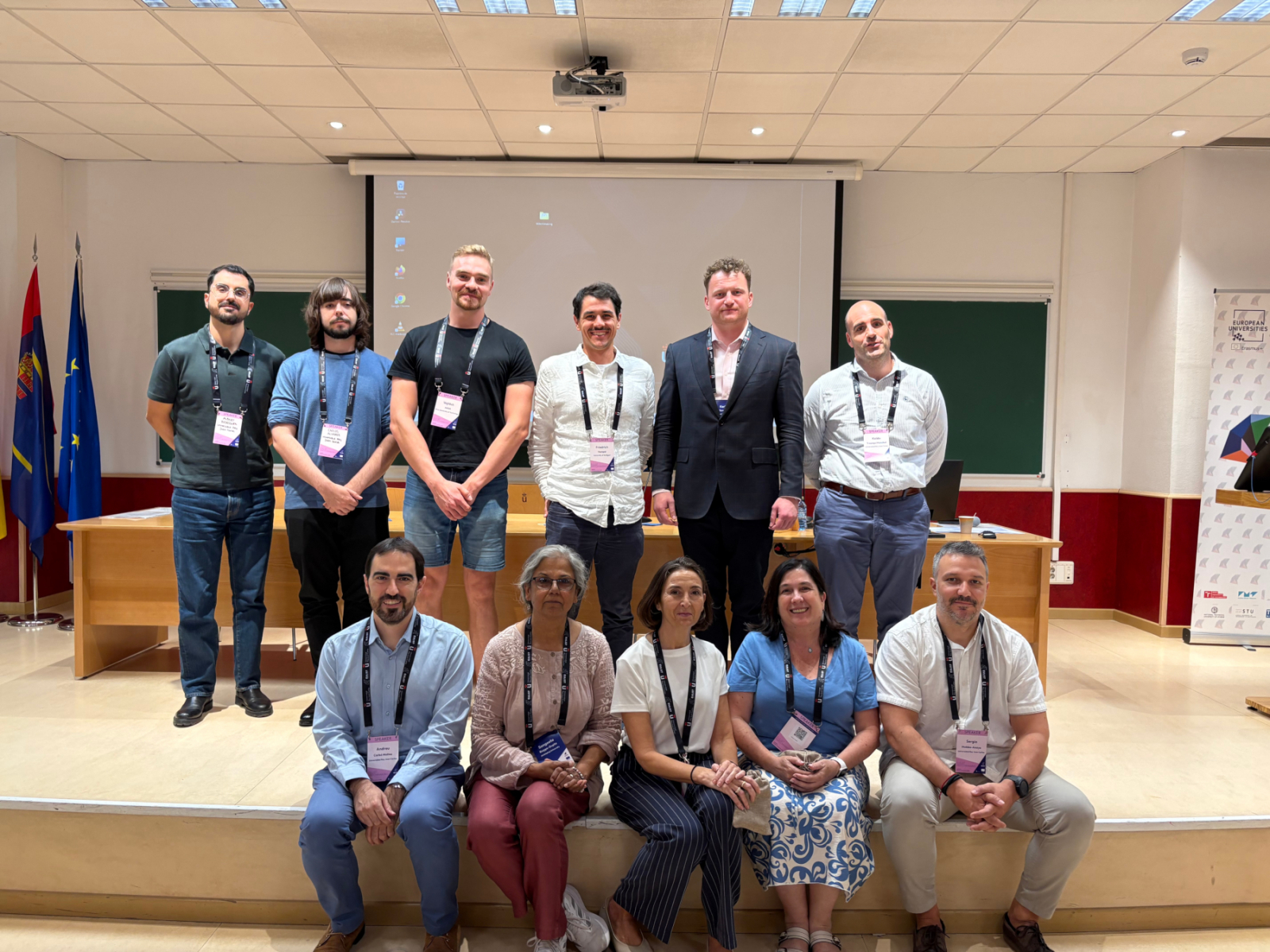
URJC brings together European Experts in Educational Innovation at the EULiST Summer School “Active Learning for European Universities”

16/07/2026

The event brought together faculty members, researchers, and specialists in educational innovation, providing a forum to reflect on the future of European higher education and to exchange experiences on active learning methodologies.

Over the course of the two-day programme, participants explored some of the most innovative teaching approaches currently transforming higher education across Europe. Topics covered included Challenge-Based Learning, Research-Based Learning, Project-Based Learning, Community-Engaged Learning, the Flipped Classroom, and Design Thinking—approaches that foster more participatory learning, connect education with real-world challenges, and support the development of transversal competences.

The programme, delivered entirely in English, included a keynote lecture, six thematic sessions, a practical workshop, and a round-table discussion. The participation of international experts from EULiST partner universities, alongside faculty members from URJC and other Spanish universities with extensive experience in teaching innovation, reinforced the international and interdisciplinary nature of the initiative.

The first day featured a workshop based on the “World Café” methodology, a participatory format that enabled attendees to exchange experiences, identify common challenges, and discuss the implementation of active learning methodologies in higher education. Through collaborative discussion tables, faculty members and experts from the different universities of the EULiST Alliance shared best practices and proposals aimed at promoting more innovative, inclusive, and student-centred teaching models.

One of the main objectives of the course was to encourage the exchange of best practices and to build collaborative networks among educators from the participating institutions. In this regard, the event provided an opportunity to share experiences, discuss current challenges in higher education, and analyse strategies that can help advance more flexible, inclusive, and student-centred teaching models.

The organisation of this summer school reflects EULiST’s commitment to educational transformation and to the development of an increasingly connected, innovative, and collaborative European higher education area. Through initiatives such as this one, the Alliance promotes knowledge exchange among European universities and supports new forms of learning capable of addressing the social and technological challenges of the twenty-first century.

Whole information related to the event: https://eulist.urjc.es/urjc-brings-together-european-experts-in-educational-innovation-at-the-eulist-summer-school-active-learning-for-european-universities/?media_link=1

Date and location of the event
Dates: 2nd and 3rd July 2026
Location: Aranjuez Campus, Rey Juan Carlos University, Madrid


IMG_9341-1536x1152
IMG_9304-scaled
IMG_9360-scaled
IMG_9322-scaled
IMG_9386-1536x1152

PreviousThe European Dimension of Greek Universities: Trends, Challenges and Prospects
NextIMT – Académie des sciences 2026 Prize: submit an application by September 2nd!

The European Dimension of Greek Universities: Trends, Challenges and Prospects

16/07/2026

University of Ioannina, 22 June 2026

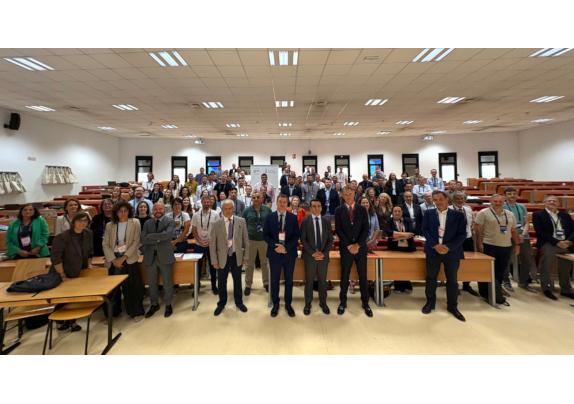
The 3rd Meeting of the Network of Greek Higher Education Institutions participating in the European Universities Initiative was held with great success and broad institutional representation on 22 June 2026 at the University of Ioannina.

The event brought together representatives from across the Greek higher education sector, reaffirming the growing role of European University Alliances in shaping the future of higher education in Europe.

Organized under the coordination of the ARTEMIS Alliance, in which the University of Ioannina participates, and attended by the Deputy Minister of Education, Religious Affairs and Sports, Professor Nikos Papaioannou, the meeting highlighted that the future of higher education is being built through cooperation, networking and the European transformation of universities.

Representatives from fourteen of the sixteen Greek universities involved in European University Alliances, along with Rectors, Vice-Rectors, members of university governing boards, institutional coordinators and alliance staff, participated in the discussions. Also present were the national representatives to the European University Association (EUA) and the National Erasmus+ Agency (IKY), further underlining the strategic importance of the meeting and the strong alignment between national and European higher education priorities. The strong presence of senior academic leaders showcased the commitment of Greek universities to strengthening their European engagement and advancing common educational and research priorities.

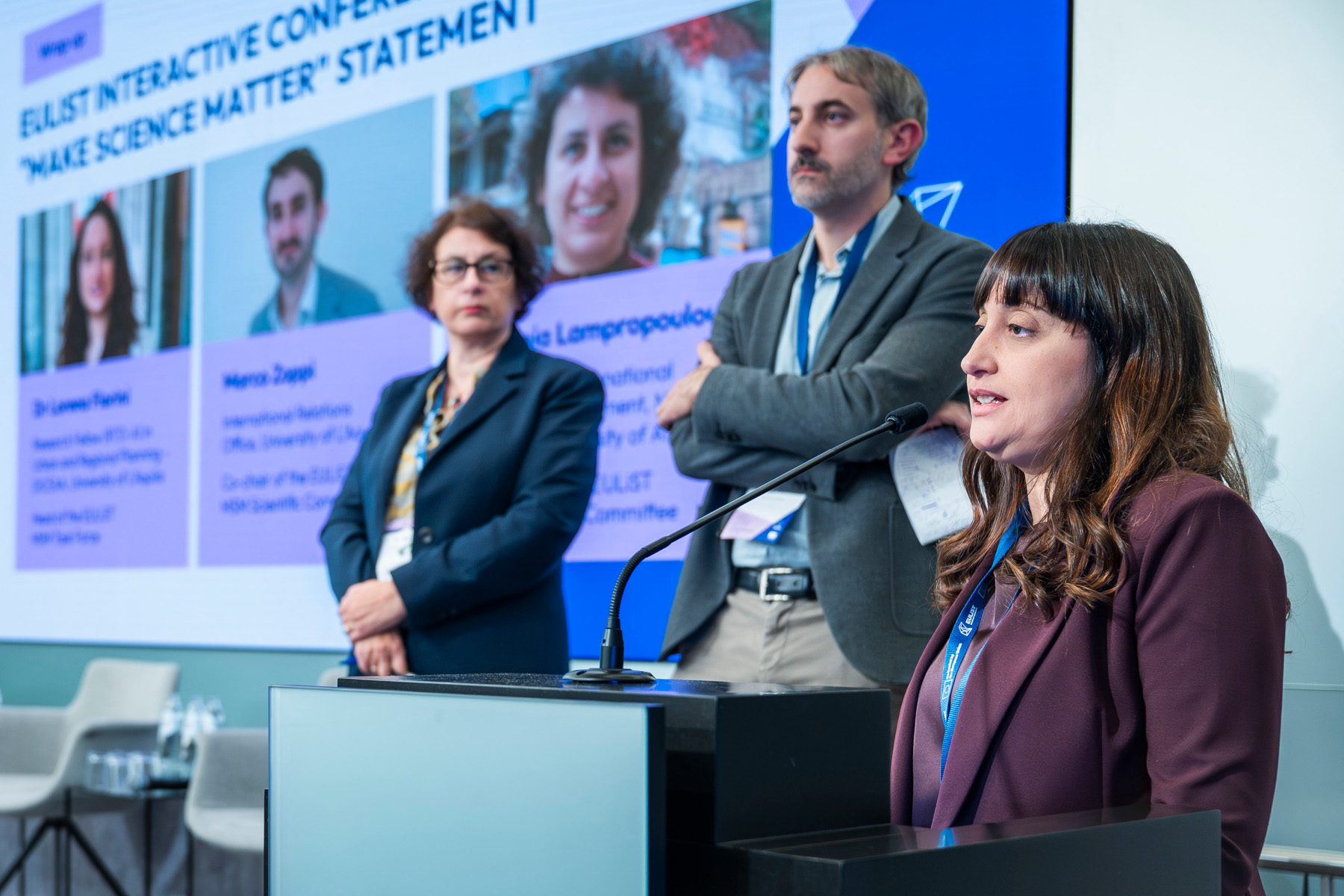
The National Technical University of Athens (NTUA), as a member of the EULiST Alliance, was represented by the Vice Rector for Academic Affairs and Lifelong Learning, Professor Athanasios Zisis; the Scientific Coordinator of EULiST NTUA, Professor Emerita Katerina Adam; the Chair of Task 2.1 EULiST Digital Campus, Professor Effie Demopoulou; and the EULiST NTUA Local Coordinator and Head of the International Relations and European Union Department, Antonia Lampropoulou.

A key focus of the meeting was the evaluation of the progress achieved by the alliances, the exchange of good practices and the development of joint proposals to further enhance the European dimension of Greek higher education. Discussions addressed digital transformation, sustainable funding models, institutional strengthening, joint degree programs, and the promotion of research and innovation at the European level.

Particular attention was given to the presentation of the EULiST Digital Campus, which demonstrated how innovative digital solutions can support collaboration, mobility and educational excellence across Europe. Greek universities showcased a strong capacity to contribute strategic ideas, practical solutions and innovative approaches, leaving a highly positive impression on participants and reinforcing Greece’s position as an active and constructive partner within the European Universities Initiative.

The main conclusion emerged from the meeting: European Universities are no longer merely an internationalisation project; they are becoming the environment in which the university of the future is being shaped—more open, interconnected and resilient, where education, research and innovation flourish through cross-border cooperation.

The meeting concluded with the discussion and endorsement of a Joint Declaration on “Securing the Future of European Universities in the 2028–2034 Multiannual Financial Framework (MFF)”, reflecting the shared commitment of Greek universities to ensuring the sustainability and continued development of the European Universities Initiative through adequate long-term funding and coordinated institutional action.

This successful gathering demonstrated the collective strength of Greek higher education institutions, their growing influence within the European Higher Education Area, and their determination to contribute actively to the future of European academic cooperation.


1
5
DSC_2661
6
10
DSC_2669
DSC_9872
DSC_9884
IMG_20260622_112608
IMG_20260622_114519
IMG_20260622_112814
IMG_20260622_132256
IMG_20260622_132203
IMG_20260622_133454
IMG_20260622_161709
IMG_20260622_160843
PANO_20260622_115433
PANO_20260622_152220
PANO_20260622_161550
2
3
4

PreviousEULiST-Festival: Celebrating Diversity and Sustainability in STEM
NextURJC brings together European Experts in Educational Innovation at the EULiST Summer School “Active Learning for European Universities”

EULiST-Festival: Celebrating Diversity and Sustainability in STEM

09/07/2026

July 2nd, 2026 · Königlicher Pferdestall, Hannover

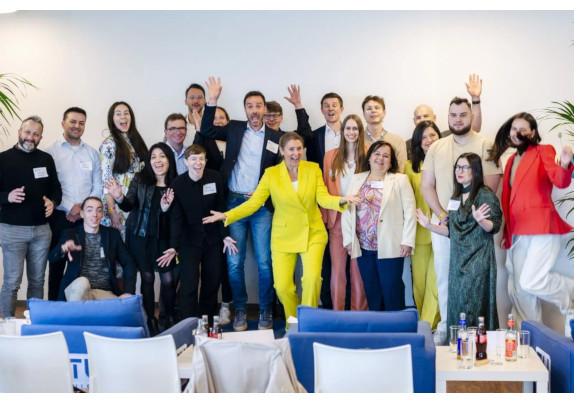
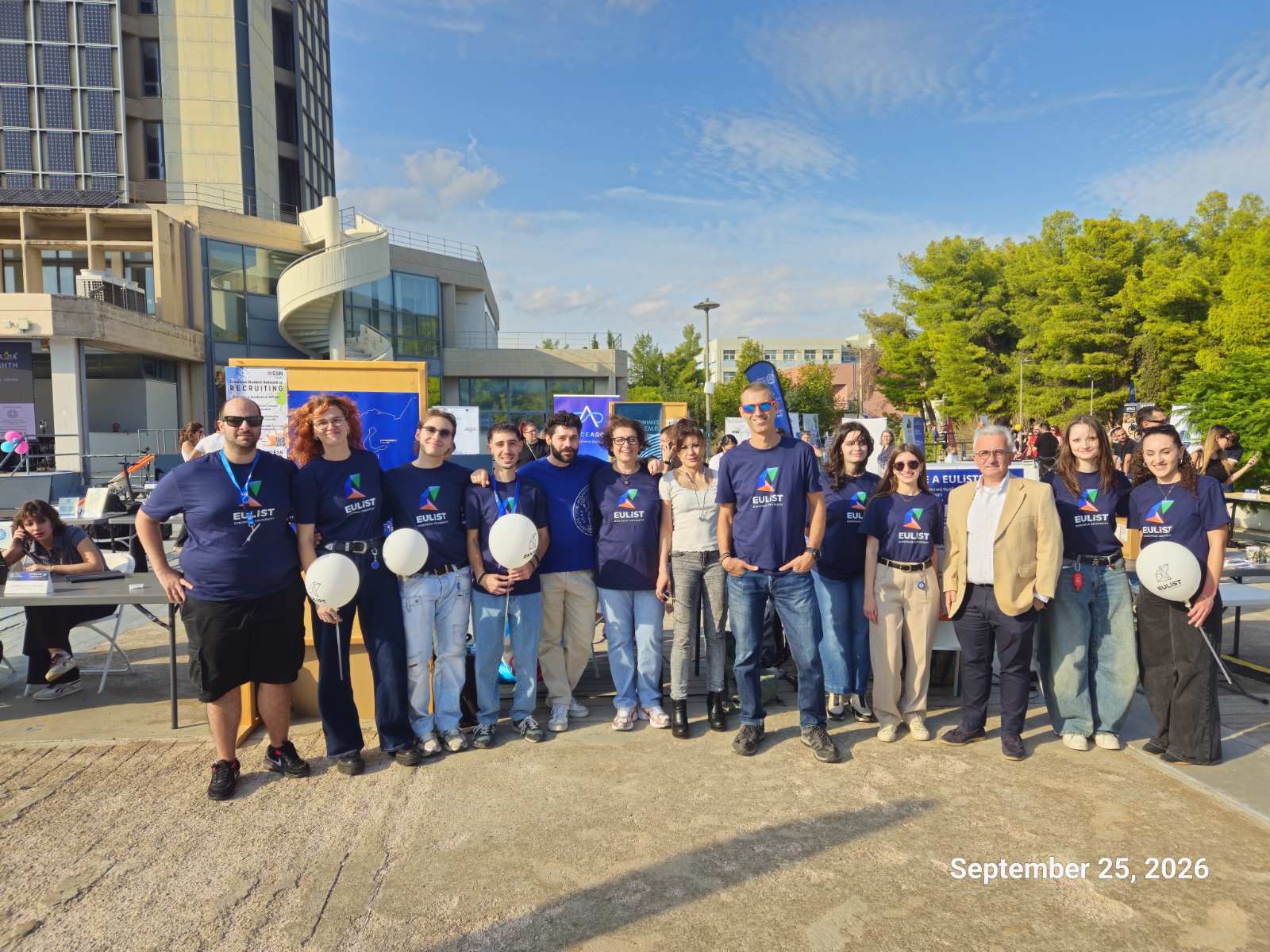
The EULiST-Festival brought together students, staff, and community members from across the EULiST alliance (Leibniz Universität Hannover, STU Bratislava, Jönköping University, and other partners) to celebrate diversity in STEM and sustainability. The day opened with remarks from Prof. Dr.-Ing. Regina Nogueira, followed by keynotes and a panel discussion on women’s representation in STEM, technology, and entrepreneurship. A midday keynote focused on building interdisciplinary sustainability networks, and the afternoon featured parallel workshops on making STEM programmes more inclusive, supporting the role of male allies, and student-led sustainability initiatives. The event closed with a festive conclusion at the LUH Summer Festival.

On STEM diversity, the day underscored that diversity strengthens innovation and academic excellence, but progress depends on active, ongoing allyship rather than symbolic gestures. Unconscious and institutional bias were named as the greatest barriers to inclusion, and male allies were highlighted as important partners in driving change through education and advocacy. Women remain underrepresented, particularly in leadership, and initiatives like FemMatrix at LUH were cited as effective models for mentoring and empowerment. The core message: true allyship is continuous action, not just a label.

On sustainability, students from six EULiST partner universities (NTUA, URJC, STU, JU, UnivAQ, BUT) presented projects through pitches and a poster gallery walk, surfacing multiple opportunities for future alliance-wide collaboration. Concrete next steps discussed include potential student sustainability competitions (inspired by NTUA), an open call for student-led sustainability projects across the network, and a new LUH seminar — “Sustainability in Action: Circular Economy & Cradle to Cradle” — opening to EULiST students in winter semester 2026/27.

Words of Gratitude

We would like to extend our heartfelt thanks to all the speakers and contributors who made this festival such a meaningful and inspiring day:

  • Prof. Dr.-Ing. Regina Nogueira, for her warm welcome and vision in opening the festival
  • Prof. Cornelia Lee-Thedieck, for her inspiring keynote on stem cell biology and female scientist networks
  • Petra Kotuliaková, for two powerful contributions — her keynote on technology and gender, and her workshop on male allyship — and for her tireless work empowering women in tech through AjTYvIT
  • Prof. Jutta Papenbrock, for sharing her expertise on building interdisciplinary sustainability networks
  • Hanna Ehlert and Sandra Skupin (Hannoverimpuls), for enriching the panel discussion with valuable start-up perspectives
  • Sarah Peters, for her thoughtful workshop on making STEM programmes more attractive to marginalised groups
  • Sarah Krische, for her insights on awareness-raising and equal opportunities
  • Terézia Hubáčková and Jonas Koch, for showcasing student-led sustainability initiatives and fostering cross-university exchange
  • Maggie Hovhanessian, for facilitating the networking session and connecting students across the EULiST community
  • Vasif Faradzhov and Stephen Sechrist, for skillfully moderating the day’s sessions

Their generosity in sharing knowledge, experience, and personal commitment gave the festival its energy and purpose. Thanks to their contributions, participants leave not only better informed, but genuinely motivated to take action — as allies, as innovators, and as changemakers for a more diverse and sustainable future.

We are also deeply grateful to the entire EULiST- LUH Team and organizing staff whose behind-the-scenes work made the day possible, and to our partners and funders — DAAD, the European Union, STU Bratislava, and Jönköping University — for their continued support of this alliance.


PreviousReview of EULiST BIP “Blade Design for Turbomachinery” organised by TU Wien
NextThe European Dimension of Greek Universities: Trends, Challenges and Prospects

Review of EULiST BIP “Blade Design for Turbomachinery” organised by TU Wien

08/07/2026

Students of the EULiST universities participated in the blended intensive programme (BIP) course on “Blade Design for Turbomachinery” at TU Wien, led by Bernhard Semlitsch and Gregor Nicht.
The focus was on learning by doing. Thus, students were tasked with designing the best blade shape for specific inflow and outflow conditions.
To match the design criteria, empirical models were used to generate the initial blade shape, which was then optimised using numerical flow simulations.
The best-performing blade shape was then materialised using 3D printers and tested in a wind tunnel.
The comparison between the numerical predictions and experimental results confirmed the reliability of the models employed.
The course thereby provided students with holistic, practical skills in turbomachinery design.


Previous3rd International EULiST Student Conference in Brno: A Vibrant Hub of Student Engagement and Cultural Exchange
NextEULiST-Festival: Celebrating Diversity and Sustainability in STEM
  • Recent News
  • Recent Events
Erasmus+ KA2: Let’s connect and develop new European projects
Erasmus+ KA2: Let’s connect and develop new European projects 16/09/2026
From the EULiST BIP to Scientific Research: «Integrated 3D Documentation of Cultural Heritage Using Photogrammetry and SLAM»
From the EULiST BIP to Scientific Research: «Integrated 3D Documentation of Cultural Heritage Using Photogrammetry and SLAM» 16/09/2026
Three Days of Inspiration, Networking, and Connection: Our Alliance at EAIE 2026 in Glasgow
Three Days of Inspiration, Networking, and Connection: Our Alliance at EAIE 2026 in Glasgow 16/09/2026
“The Waltz of Pioneers” – Celebrating Europe’s Top Early-Stage spin-offs
“The Waltz of Pioneers” – Celebrating Europe’s Top Early-Stage spin-offs 31/07/2025
EULiST Student Conference 2025 in Douai, France: A Week of Collaboration, Innovation and Cultural Connections
EULiST Student Conference 2025 in Douai, France: A Week of Collaboration, Innovation and Cultural Connections 15/07/2025
EULiST at ECOS Conference 2025 in Paris
EULiST at ECOS Conference 2025 in Paris 15/07/2025

logo

The alliance EULiST – European Universities Linking Society and Technology aims to manifest the European experience for all students and university members.

PAGES

  • Alliance
  • Digital Campus
  • Opportunities
  • News
  • Contact

FOLLOW US

Subscribe to our Newsletter
© 2025 EULiST - European University, All Rights Reserved.
Funded by the European Union. Views and opinions expressed are however those of the author(s) only and do not necessarily reflect those of the European Union. Neither the European Union nor the granting authority can be held responsible for them.