Empowering Youth, Shaping Policy: How Student Co-Creation and Municipal Action Are Driving Climate Resilience in Athens
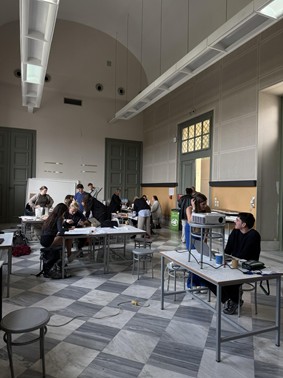
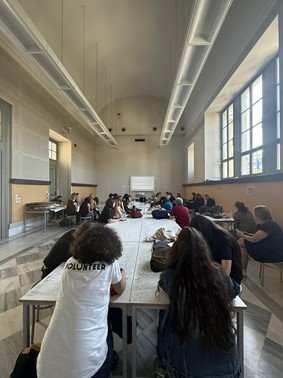
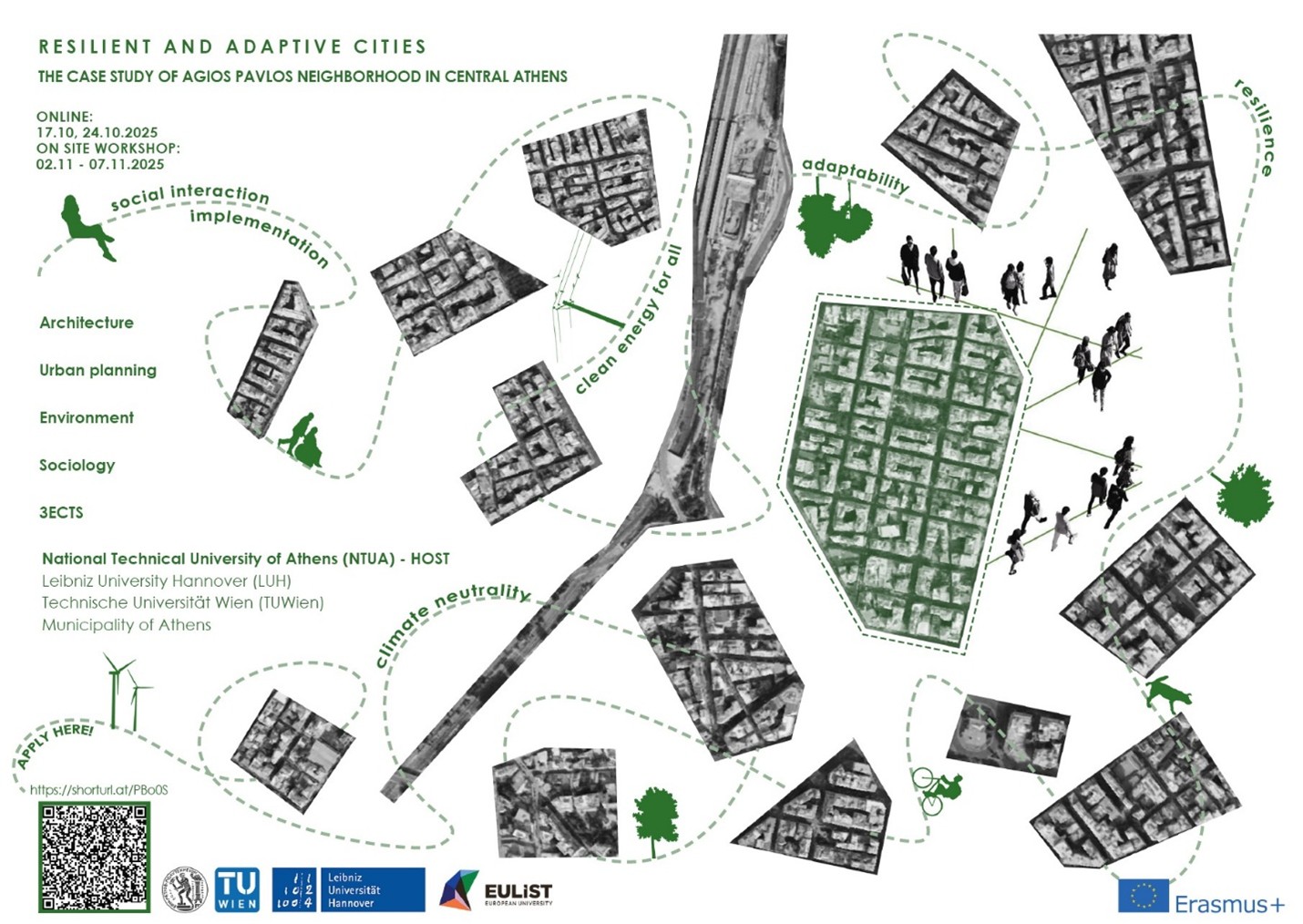
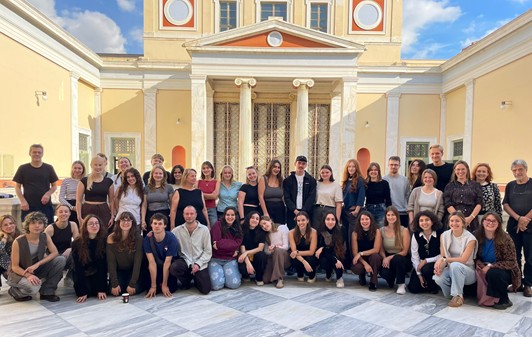
The EULiST Blended Intensive Programme on “Resilient and Adaptive Cities – The Case Study of Agios Pavlos” was hosted in October and November 2025 by NTUA School of Architecture and co-organized with LUH, TUW, and STU, centered around the neighborhood of Agios Pavlos in central Athens. The program brought together 36 EULiST students and an international academic team to investigate urban resilience, climate adaptation, and community revitalization.
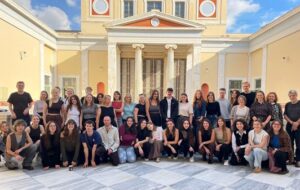
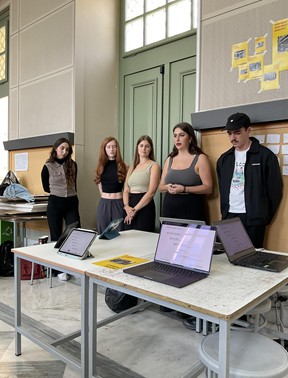
The program’s core originality lay in its highly collaborative, co-creation approach involving youth and grassroots participation. On the opening day, secondary students from a local Lyceum presented local challenges, neighborhood insights, and their own pilot student-designed plantings and shading systems on their school roof. This ground-up perspective was further deepened through neighborhood walks guided by local residents and architectural historians, ensuring that the academic investigation remained tightly tethered to the lived, daily realities of the community rather than purely theoretical models.
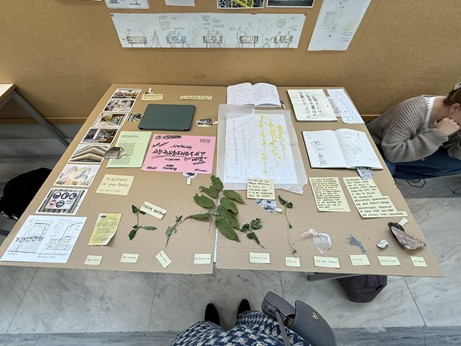
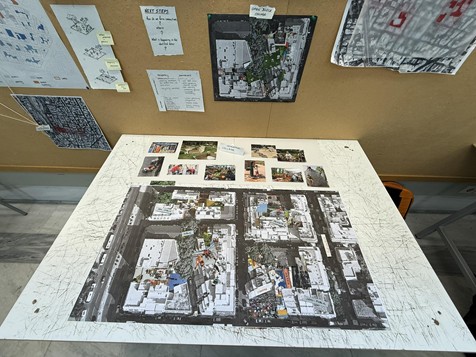
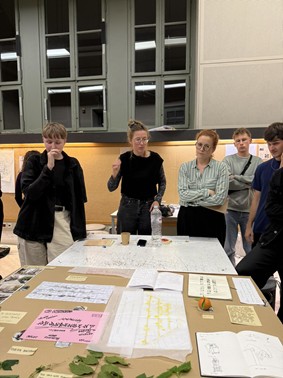
EULiST students gained hands-on, real-world experience by collaborating with local bodies, mastering neighborhood mapping and documentation techniques, and developing sustainable, climate-resilient interventions to revitalize urban communities. The BIP course included comprehensive on-site documentation and analysis of the neighborhood’s history, building stock, and resident composition; management of tools and sustainable practices to combat environmental degradation and the climate crisis; and the formulation of strategic interventions designed to create a climate-neutral neighborhood that addresses social challenges like demographic decline, aging, and social exclusion.
Participating in EULiST BIP on Architecture transformed the way I experience architecture both within the university and out of it. The plurality of the academic approaches and personalities was open-minded for me to better navigate in my university ecosystem based on skills and values, like adaptability and trust. It defined my existence and role not merely as a Greek student but as an international student and active thinker and rightful member of the European ecosystem. I am grateful for experiencing such a dynamic network of co-students and tutors, realizing on time how great our potential, as young Europeans, is.
The BIP’s findings carry tangible policy and educational implications. The Deputy Mayor of Athens for Climate Governance and Social Economy, Nikos Chrysogelos, actively participated and formally committed that the City of Athens will integrate the program’s outcomes into its strategic planning. This step directly supports municipal goals to advance Athens toward becoming one of Europe’s 100 climate-neutral cities. Furthermore, the program successfully bridged academia and practice, empowering Youth and co-shaping policies, providing participating EULiST students with hands-on documentation tools, sustainable urban design strategies, and critical frameworks to address contemporary environmental and social crises.