
Sustainability
EULiST Sustainability
EULiST aims to contribute to solving global challenges such as climate change and social cohesion by sharing diverse experiences and competencies, thus creating connections and methods to integrate society and technology. This will be achieved through aligning sustainable practices across the project activities to contribute to reaching SDGs across Europe. The EULiST sustainability strategy and activities pave the way for all partner universities to commit to achieving the SDGs through their own frameworks and activities, which reflect their specific needs, preconditions, potentials, and limits, as well as the demands of their specific societal environments.
Sustainability Strategy Plan
EULiST Sustainability Strategy Plan has framed shared commitment and actions of alliance members towards the implementation of the UN Sustainable Development Goals (SDGs).
The Sustainability Strategy Plan (i) provides orientation for all the activities across all Work Packages (WP) from the perspective of their contribution to the SDGs’ implementation, (ii) presents selected sustainability indicators for the EULIST project that are used to monitor the sustainability of the project and (iii) provides an outline for each member university in how they can enhance their commitment to achieving the SDGs through their own frameworks and activities
The principles in the SDGs implementation in the EULiST Alliance and by its partner universities are commitment to (i) sustainability, (ii) integration, inclusivity and diversity, (iii) understanding complexity, (iv) transparency, (v) European and global engagement, (vi) future orientation, (vii) partnerships, (viii) leadership and excellence. The priority areas, on which the EULiST Alliance contributions towards SDGs achievement are concentrated are (i) education, (ii) research, (iii) societal engagement and policy development, (iv) innovation, future planning and pioneering, (v) university operations and internal practices.
Sustainability demonstrators
A common model and physical sustainability demonstrators are developed for measuring and learning about the carbon footprint on each of the EULiST campuses to identify best practices that can be disseminated within and beyond the Alliance.
Sustainable Demonstrators Catalogue
Model for calculating carbon footprint on EULiST campuses
A common reference calculation framework has been developed at EULiST that enables comparable, transparent, and consistent reporting of emissions across partner universities. ClimCalc reference tool links carbon data with the Digital Campus and the Knowledge Hub, creating a shared database of emission factors, and automating reporting processes. The first results reveal varying levels of maturity and data availability among partner universities.
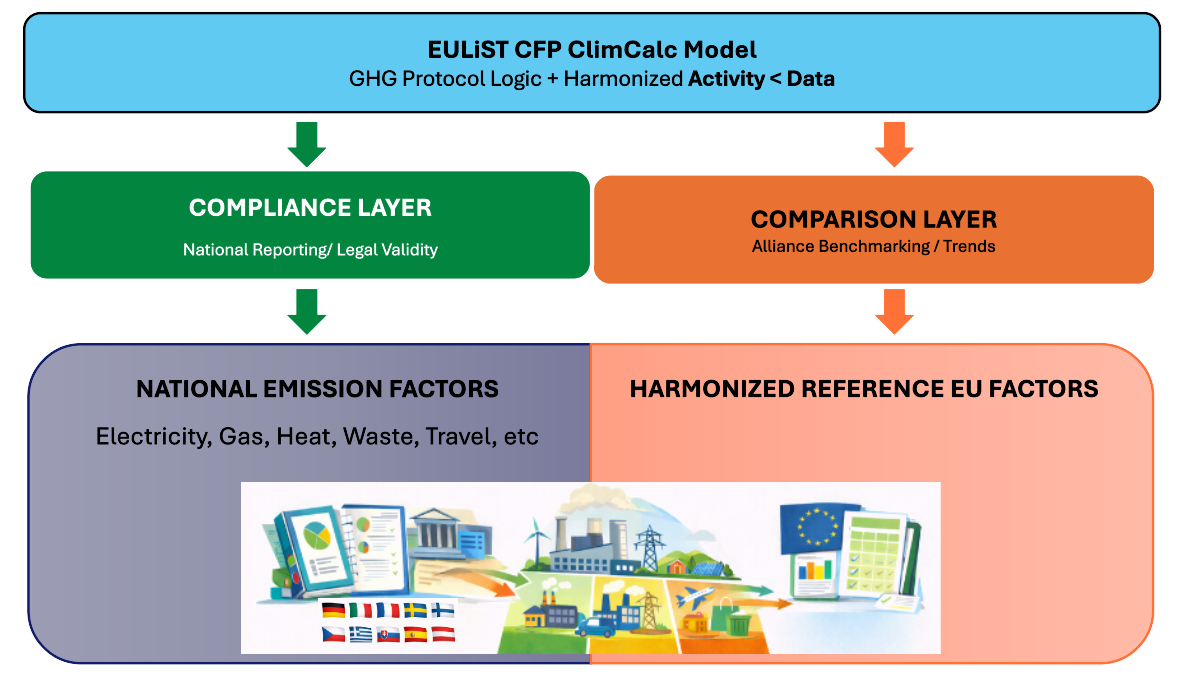
EULiST ClimCalc Model
Demonstration pavilion
Α demonstration pavilion is hosted by LUH, open to all members of the EULiST Alliance, that showcases research and teaching on the transition to sustainable energy systems and other sustainable technologies. It acts as a campus demonstrator and a living lab, for EULiST colleagues to contribute to the design of the pavilion according to the EULiST Sustainability goals and develop an exemplary approach.
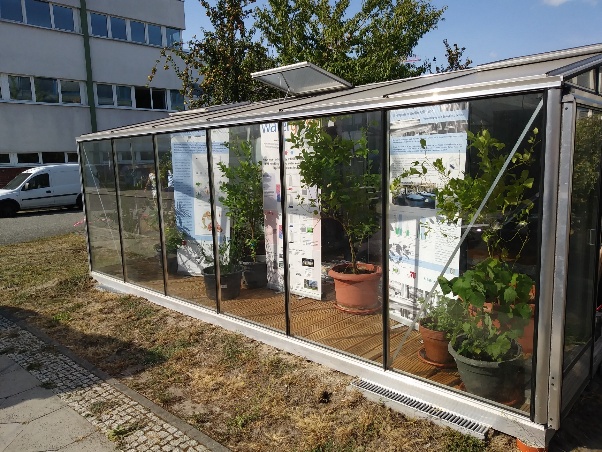
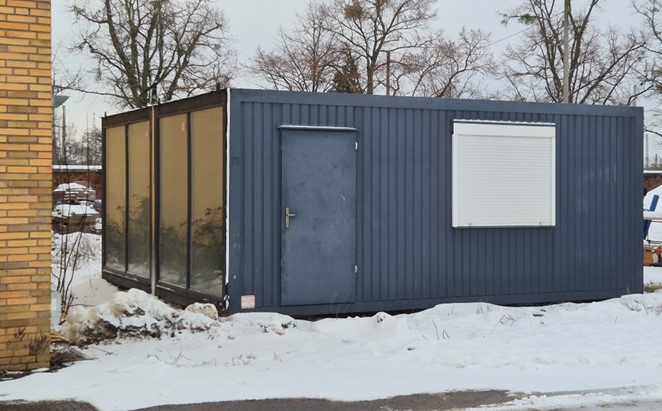
EULiST demonstration pavilion at LUH
Interaction steps for cross-border sustainability actions
The EULiST Symposium “Climate-Neutral and Climate-Resilient Cities and Universities in Europe”, hosted by LUH on December 2nd and 3rd, 2024, explored how European cities and universities can achieve climate neutrality and resilience by integrating societal and technological innovations, addressing challenges such as heatwaves, flooding, and sustainable urban transformation. It fostered cross border Academia – Municipalities (Cities of Hannover, Athens and Vienna) collaboration to design sustainable urban spaces.
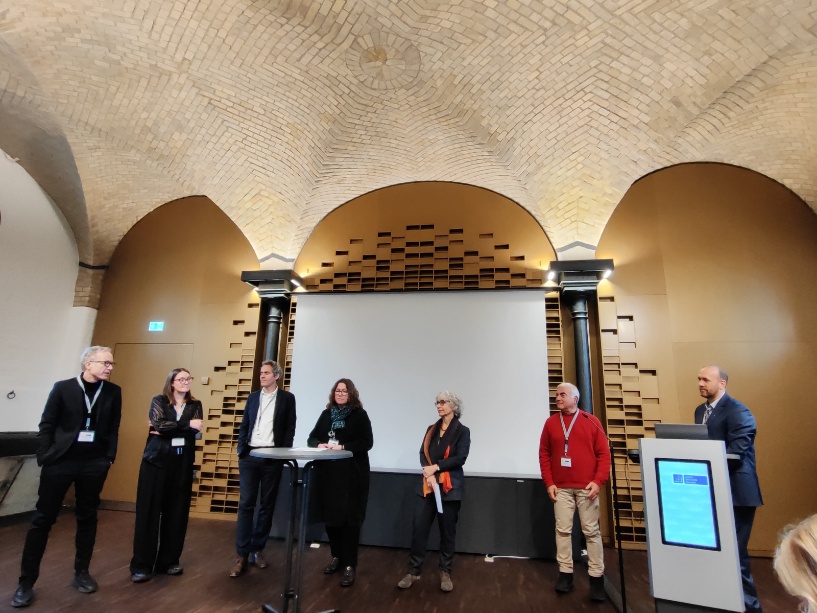
EULiST Symposium on Climate-Neutral and Climate-Resilient Cities and Universities in Europe
As a result of the EULiST Symposium at LUH, the EULiST Blended Intensive Programme (BIP) on “Resilient and Adaptive Cities – The case study of Agios Pavlos” was designed to upscale the collaboration among Academia – Municipalities – Society to evaluate and strengthen the resilience of an Athens neighborhood and its adaptation to current and future socio-economic and environmental conditions. The BIP was held online on October 17th and 24th and in Athens on November 2nd until 7th, 026, organized by NTUA and coorganised by LUH, TUW and STU.
The BIP focused on the investigation of the material and intangible characteristics of the neighborhood of Agios Pavlos in the center of Athens and provided an innovative hands-on and co-creation opportunity by collaborating with local and non-national bodies (City of Athens, local High School students and residents) that are directly related to the research subject of architectural and urban planning, and the recognition of the importance of participatory processes for the sustainable management of urban communities.
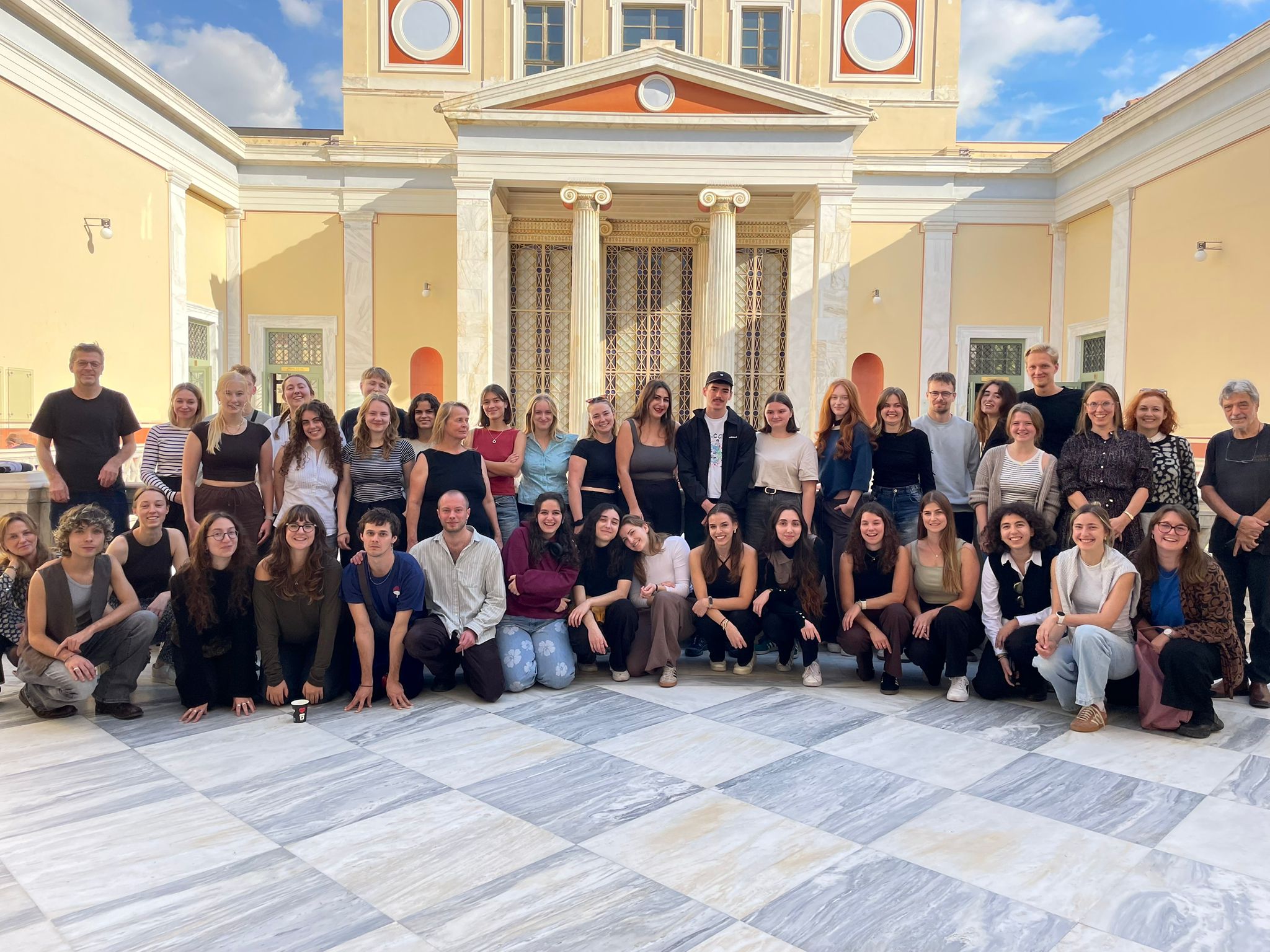
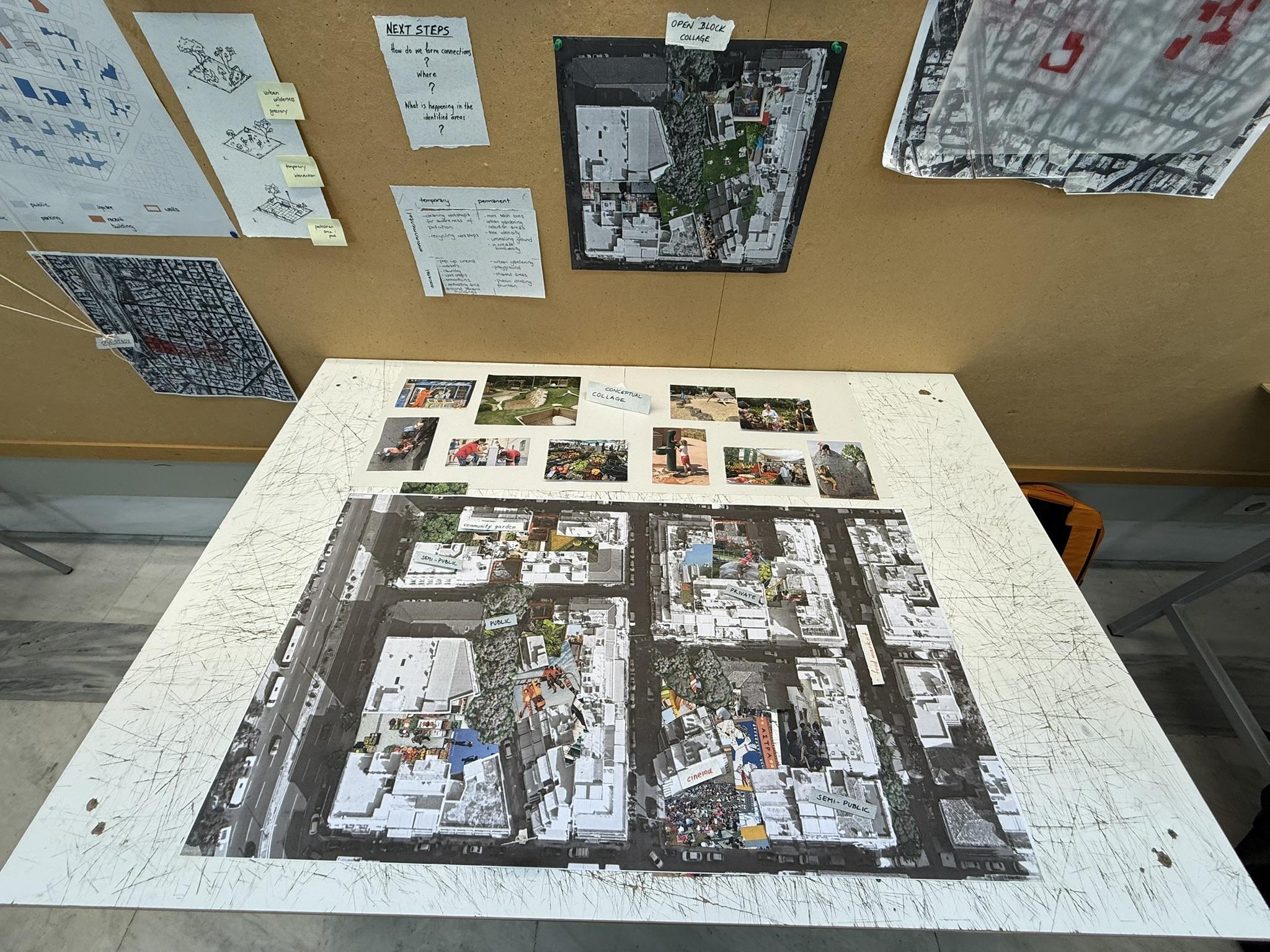
EULiST BIP on Resilient and Adaptive Cities – The case study of Agios Pavlos
EULiST aims to facilitate collaboration through a Quadraple Helix Model of Innovation among the four main actors in the innovation system: science (academia), policy (public authorities), industry and society (local communities), based on co-creation by articulating technological cooperation, to advance science-based decision making and tackle grand challenges.
In this framework, the EULiST initiated the EULiST Global Conferences series aiming to set a co-creation model in the basis of efficacious collaborations and best practices in our cities and regions, by recognizing the unique contributions and perspectives of each partner and community involved.
The first EULiST Global Conference held at URJC on November 20th and 21st, 2025, upscaled the discussions among Academia – Industry – Municipalities – Society. Collaboration expanded the scope and impact of research endeavours, by reflecting on the major global challenges related to climate change, urban transformation, international cooperation, and innovation in education and technology. The EULiST Global Conference focused on the role of local communities in co-creating solutions tailored to their contexts and needs that can be scaled globally, as well as on the importance of academic and industrial partnerships acting as vectors of transformation.
The second EULiST, to be held at NTUA in June 2027, will be extended to our international partners, by identifying the needs of the higher education and market in their countries to develop tailored made activities, by fostering knowledge exchange, capacity building, and cross-cultural understanding, with the aim to co-create climate actions and nature-based solutions and thus foster living labs.
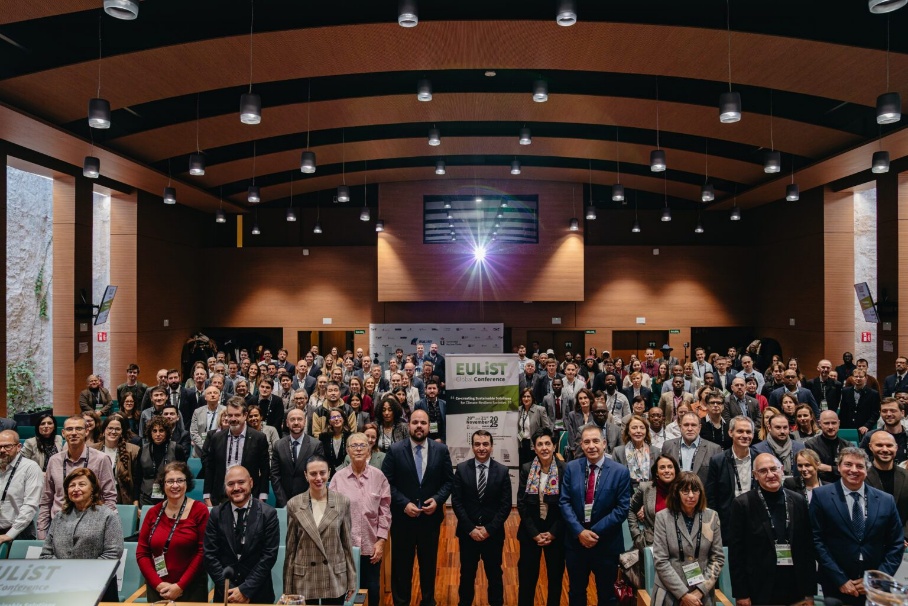
EULiST Global Conference 2025
3D EULiST Campuses
Digital Campus also includes a web-based strategic design for the digital infrastructure of the EULiST universities’ campus infrastructure, with sustainable mobility options embedded.
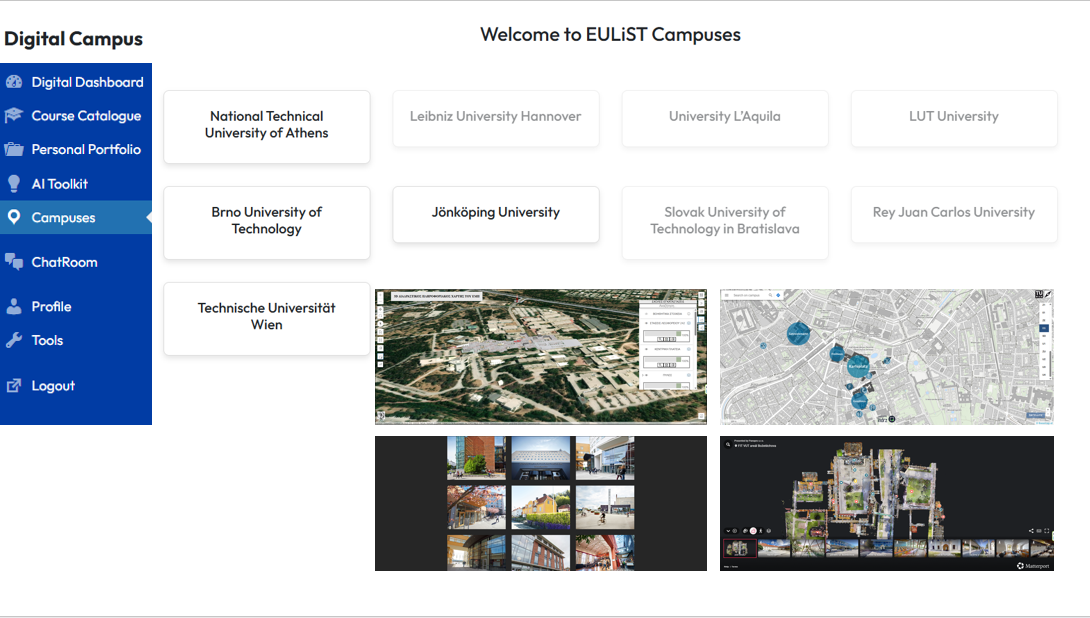
EULiST 3D campuses in EULiST Digital Campus
Education and Research
EULiST supports the UN 2030 Agenda for Sustainable Development, by acknowledging all 17 SDGs and focusing on the implementation of SDG4 (quality education) with the focus on following SDGs. Those are SDG 6 (Clean Water and Sanitation), SDG 7 (Affordable and Clean Energy), SDG9 (Industry Innovation and Infrastructure, SDG 11 (Sustainable Cities and Communities) SDG 12 (Responsible Consumption and Production) and SDG13 (Climate Action).
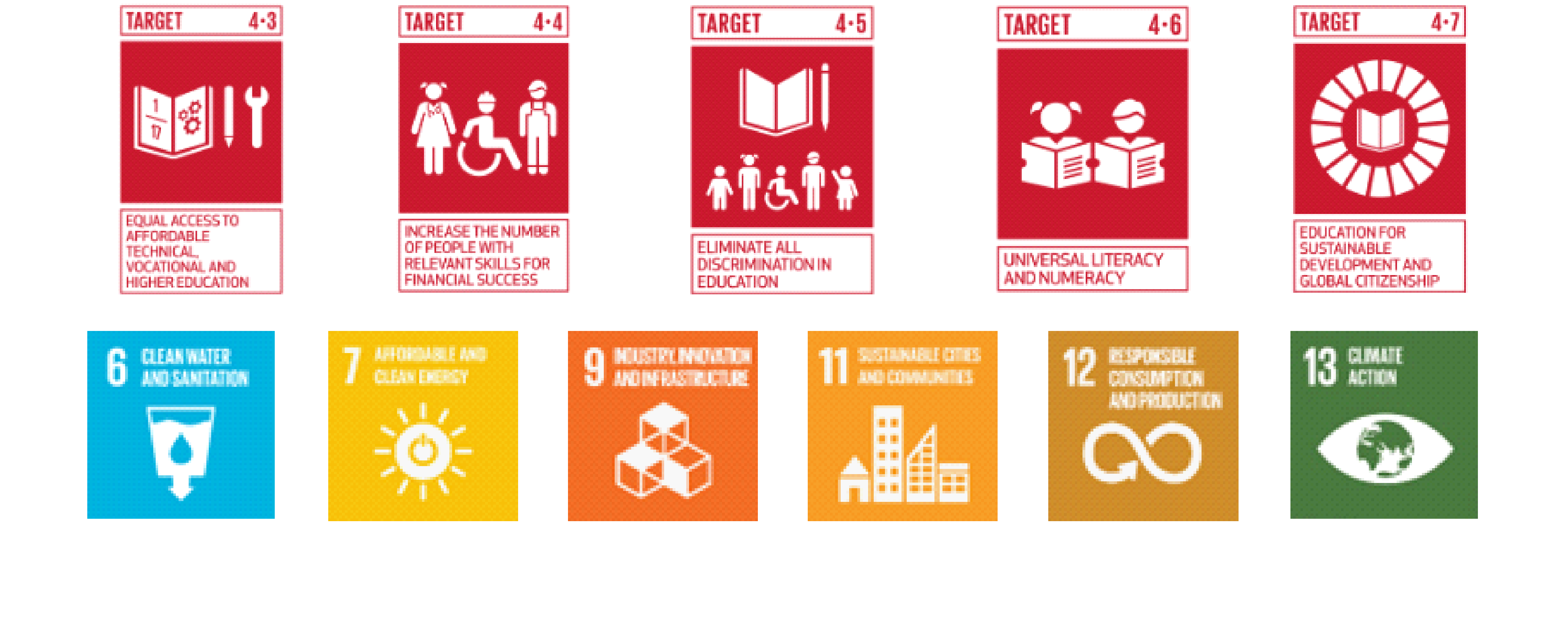
EULiST focus on SDGs
Integration, inclusivity and diversity
An EULiST best practice with interaction to associated partners is the A-Team (Anti-Discrimination Team), trained by the City of Hannover’s Anti-Discrimination Office, which acts as the first low-threshold point of contact for EULiST students at LUH. Fellow students can talk to them about (their) experiences of discrimination in a safe environment. With the peer-to-peer approach, they can provide unbureaucratic support on an equal footing and make targeted referrals if necessary.

EULiST Anti-Discrimination Team
Equality referents at EULiST are responsible for raising awareness of all forms of violence. Listening and reporting referents receive and listen to the authors, witnesses or victims of violence, both students and staff.

EULiST equality referents