• ALLIANCE
    • Mission
    • People
      • Governing Board
      • Management Board
      • Student Board
      • Advisory Council
      • Secretary General
  • DIGITAL CAMPUS
    • Course Catalogue
    • Knowledge Hub
    • Research – ERIA
      • ERIA
      • Fridays For Research
      • Early-Career Researchers Center
      • Other Researchers
    • AI Tools
    • Sustainability
    • 3D Campus
  • OPPORTUNITIES
  • PROJECT
    • Milestones
    • Deliverables
    • Meetings
  • NEWS
  • CONTACT

Hellenic-Romanian Logic and Computation Seminar

05/12/2025

http://imar.ro/~diacon/HRLogComp/HRLogicComputSeminar.ht 

Monday 15th of December at 18.00 GR/RO time  

link: https://meet.jit.si/HRLogicComputSeminar

Title: Abstract Foundations for Non-Monotonic Systems
Speaker: Prof. George Voutsadakis 

Abstract: Ordinarily in logical studies, logical consequence is abstractly represented in the form of a closure operator on the formula algebra or, more generally on any algebra of a specific type. This representation requires that the logic satisfies the axioms of inflationarity and monotonicity. However, in a number of applied contexts one needs to study logical systems that do not necessarily conform to these requirements, most notably non-monotonic logics. We provide the rudiments of an abstract experimental framework that could serve as a platform for formalizing and studying an abstract algebraic hierarchy of non-monotonic logics akin to the Leibniz hierarchy, which forms the cornerstone of the traditional theory of Abstract Algebraic Logic.

Short bio: George Voutsadakis did his undergraduate studies in Computer Engineering and Informatics at the University of Patras and his graduate studies in Mathematics and in Computer Science at Iowa State University. He is currently teaching Mathematics at Lake Superior State University in Michigan’s Upper Peninsula. His main area of interest is Algebraic Logic. For the 2025-26 Academic Year he is on Sabbatical visiting the School of Applied Mathematical and Physical Sciences of the National Technical University of Athens.

 

PreviousFirst EULiST Lunch Lecture at Leibniz University Hannover

First EULiST Lunch Lecture at Leibniz University Hannover

05/12/2025

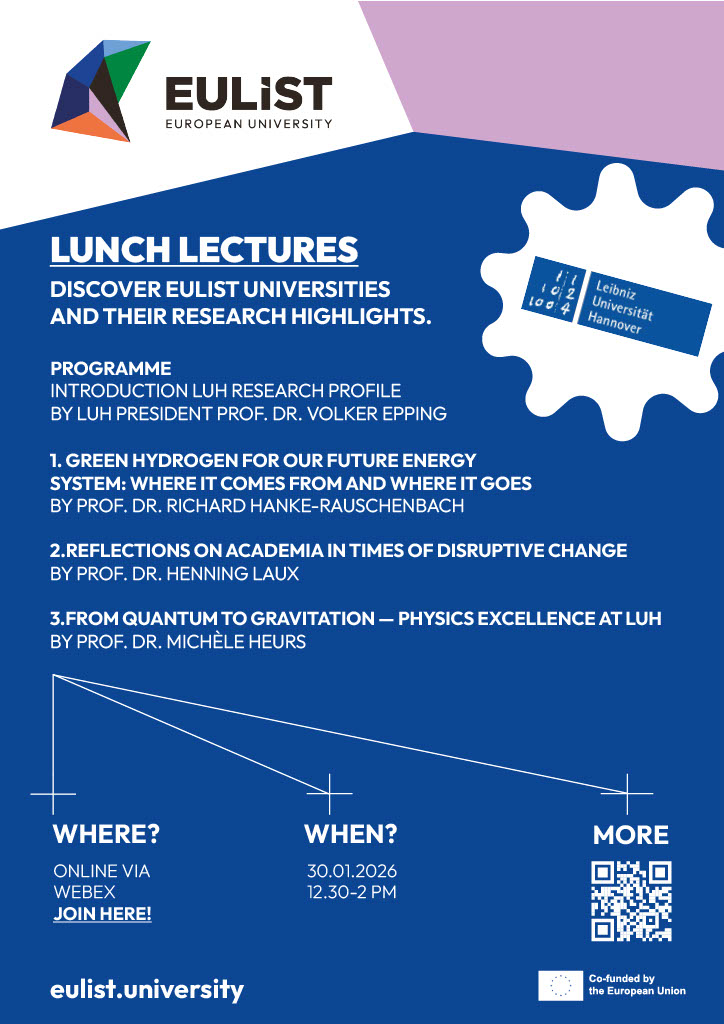
Join us for the first EULiST Lunch Lecture and discover the pioneering research at Leibniz University Hannover. This engaging online event will feature a series of lectures that highlight the expertise and innovations at our university.

We will begin with an introduction to LUH’s research profile by the president of LUH Prof. Dr. Volker Epping, setting the stage for a dive into three fascinating topics: from green hydrogen via academia in times of disruptive change to the relation of quantum physics and gravitation.

The event will take place on January 30, 2026, from 12:30 PM to 2:00 PM CET and will be accessible online via Webex.

Whether you are a student, researcher or staff member of a EULiST University, don’t miss this opportunity to gain valuable insights and engage with leading researchers.

This event is for everyone who is interested in the research profile of LUH.

Mark your calendar and join us for a noon of learning and inspiration. Access the event through the Webex link and become a part of this enlightening experience!

Previous10th EULiST “Fridays for Research” event on “Water-Energy Nexus”
NextHellenic-Romanian Logic and Computation Seminar

10th EULiST “Fridays for Research” event on “Water-Energy Nexus”

04/12/2025

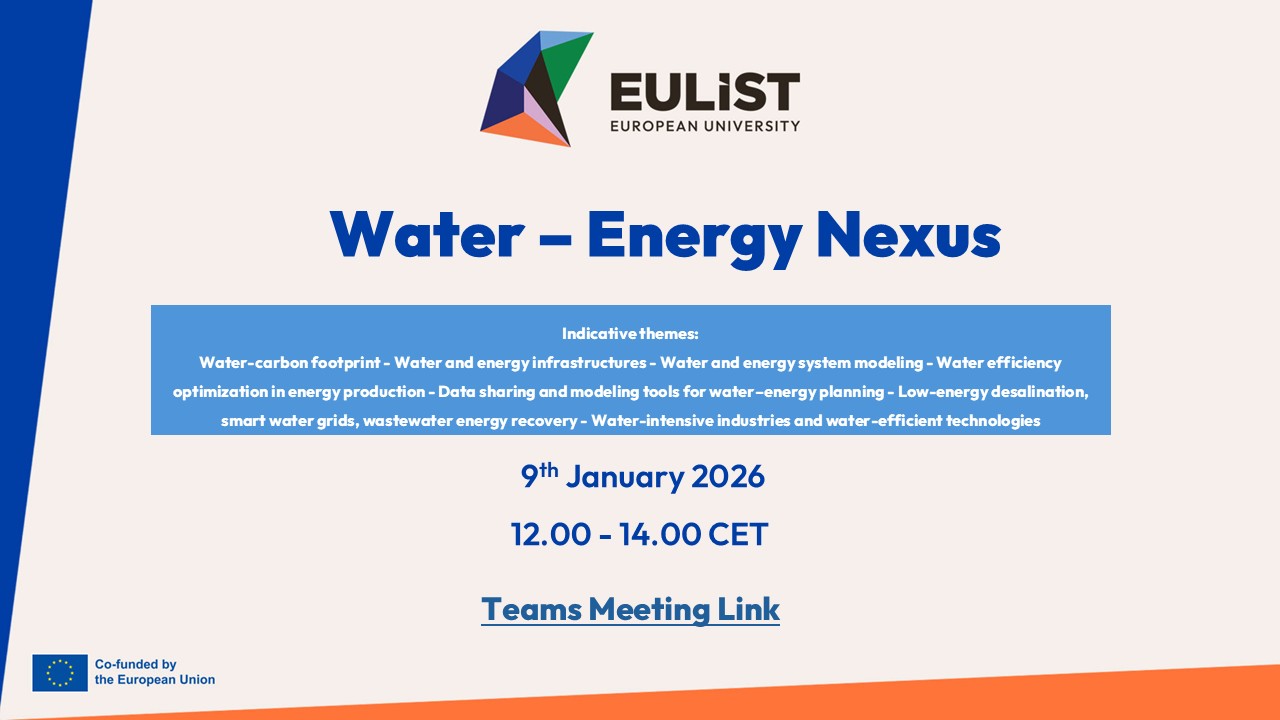
The 10th EULiST “Fridays for Research” event on ““Water-Energy Nexus” ” will be held as a joint online meeting on Friday, 9th January, 12:00 – 14:00 CET.

More specifically, representatives from the EULiST member universities will deliver concise 5-minute presentations on the following indicative topics:

  • Water-carbon footprint
  • Water and energy infrastructures
  • Water and energy system modeling
  • Water efficiency optimization in energy production
  • Data sharing and modeling tools for water–energy planning
  • Low-energy desalination, smart water grids, wastewater energy recovery
  • Water-intensive industries and water-efficient technologies

After that, there will be a ten-minute conversation to encourage more research partnerships.

A review of the main results and a presentation of the next actions will wrap up the session.

Participants may connect using this TEAMS link:

https://teams.microsoft.com/l/meetup-join/19%3ameeting_ZmViNjIzMGQtODBiNi00ZTFmLTlmMmEtYjVkNmJmNDMwNjlh%40thread.v2/0?context=%7b%22Tid%22%3a%22075e0cb3-752a-4320-b367-6d08b7918c40%22%2c%22Oid%22%3a%22595874eb-528b-4576-aeba-c0d777225704%22%7d

For more information regarding the event, contact Angelos Markopoulos amark@mail.ntua.gr.


PreviousEULiST BIP at LUT: Developing Global Citizenship through Interculturality and Sustainability, May 2026
NextFirst EULiST Lunch Lecture at Leibniz University Hannover

EULiST BIP at LUT: Developing Global Citizenship through Interculturality and Sustainability, May 2026

01/12/2025 Deadline: Jauary 31, 2026

18 – 23.05.2026 at LUT University in Lappeenranta, Finland


LEARNING OBJECTIVES:

  • To learn about global citizenship and its role in sustainable development goals
  • To understand cultural similarities and differences and theoretical frameworks connected with them
  • To develop a global mindset and intercultural competence through working in multicultural teams
  • To learn about how to manage diversity and boost inclusion at workplaces

KEY CONTENTS:

  1. Understanding global citizenship, sustainable development goals and cultural implications relevant to their implementation
  2. Understanding culture, cultural differences and similarities and developing intercultural sensitivity
  3. Awareness of inequalities for selected groups of minorities
  4. How to manage especially cultural diversity at work
  5. Developing intercultural competence through multicultural teamwork

FUNDING OPPORTUNITIES:

  • Students can get an Erasmus+ grant from their home university to cover expenses during the BIP. This grant consists of a daily allowance of 79€/day and a travel support which depends on distance and will be between 300-580€. Daily allowance will be paid also for the travel days.
  • This funding enables intensive learning with cultural fun in Finland! Host’s project funding covers for expenses for activities in Finland.

PRE-REQUIREMENTS:

  • Target group: Students in their 2nd or 3rd year of studies in Technology, Business, or Social Sciences.
  • At least B2 level in English
  • CV
  • Motivation letter

NOTICE: A minimum of 20, maximum of 30 incoming students from EULiST partners are accepted to this BIP.

GETTING TO KNOW LUT AND LAPPEENRANTA:

  • Welcome to Lappeenranta Campus and LUT: https://www.youtube.com/watch?v=EXWbgToo1X4.
  • Lappeenranta in summer: https://www.youtube.com/watch?v=Sutu9u0U76k.
  • Accommodation has been pre-booked for participants at CityMotel: www.citimotel.fi. Price per student about 220€/stay.

BEFORE THE MOBILITY:

  • 3-4 Zoom meetings will be organized before arrival
    • to start learning the course contents
    • to get to know fellow students from partner universities
    • to get detailed instructions for the pre-assignment to be completed in national teams.
  • A research-based pre-assignment connected with sustainability.
  • All students will be granted access to LUT Moodle and online study materials.

WHAT TO EXPECT / PRELIMINARY PROGRAMME:

  • Sunday: Arrival in Lappeenranta
  • Monday: ICC-related teambuilding activities and presentations of pre-assignment, welcome dinner
  • Tuesday: Lessons, activities related to the course theme
  • Wednesday: Lessons, work on the assignment, cultural activities
  • Thursday: Lessons, work on the assignment, cultural activities
  • Friday: Final group work presentations, feedback event
  • Saturday: Departure

ECTS / REWARDS:

  • Each student will get 5 ECTS for the BIP when following criteria are met:
    • Successful completion of assignments such as pre-assignment, assignment to be completed in a multicultural team, reflective essay at the end + active participation in the activities and lessons organized during the BIP.
    • Grading: pass/fail
  • The best pre-assignment and the best multicultural team assignment will be rewarded with gift bags.

DEADLINE IN EXPRESSION OF INTEREST:

January 31st, 2026

IMPORTANT:

Interested students should contact their university’s local coordinator for more institution-specific information such as different application deadlines due to internal procedures.


LUT PRESENTATION


PreviousURJC Hosts the First EULiST Global Conference to Advance Climate-Resilient and Sustainable Societies
Next10th EULiST “Fridays for Research” event on “Water-Energy Nexus”

URJC Hosts the First EULiST Global Conference to Advance Climate-Resilient and Sustainable Societies

29/11/2025

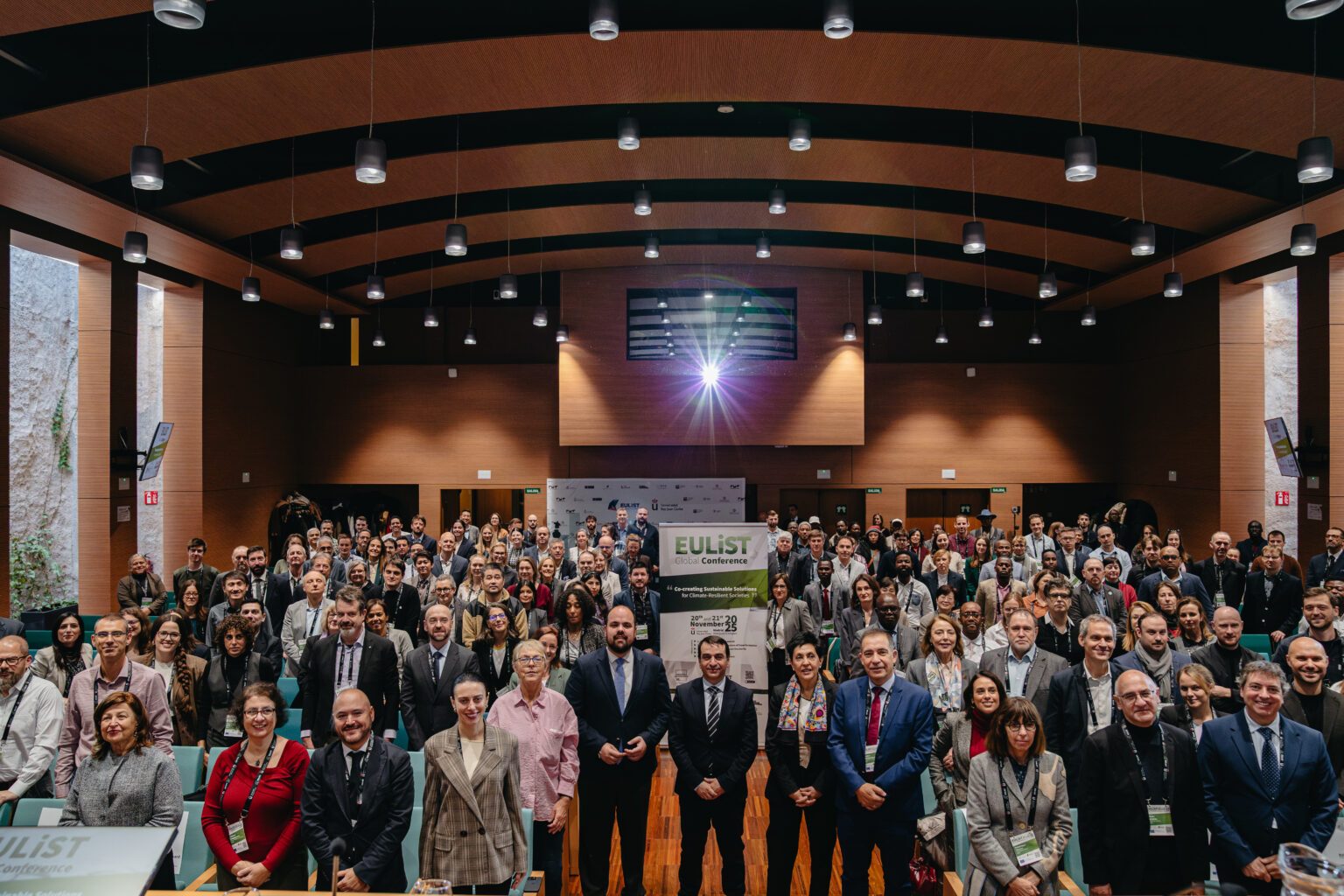
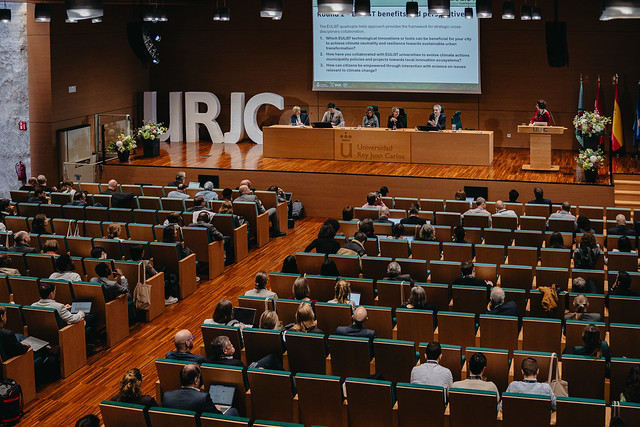
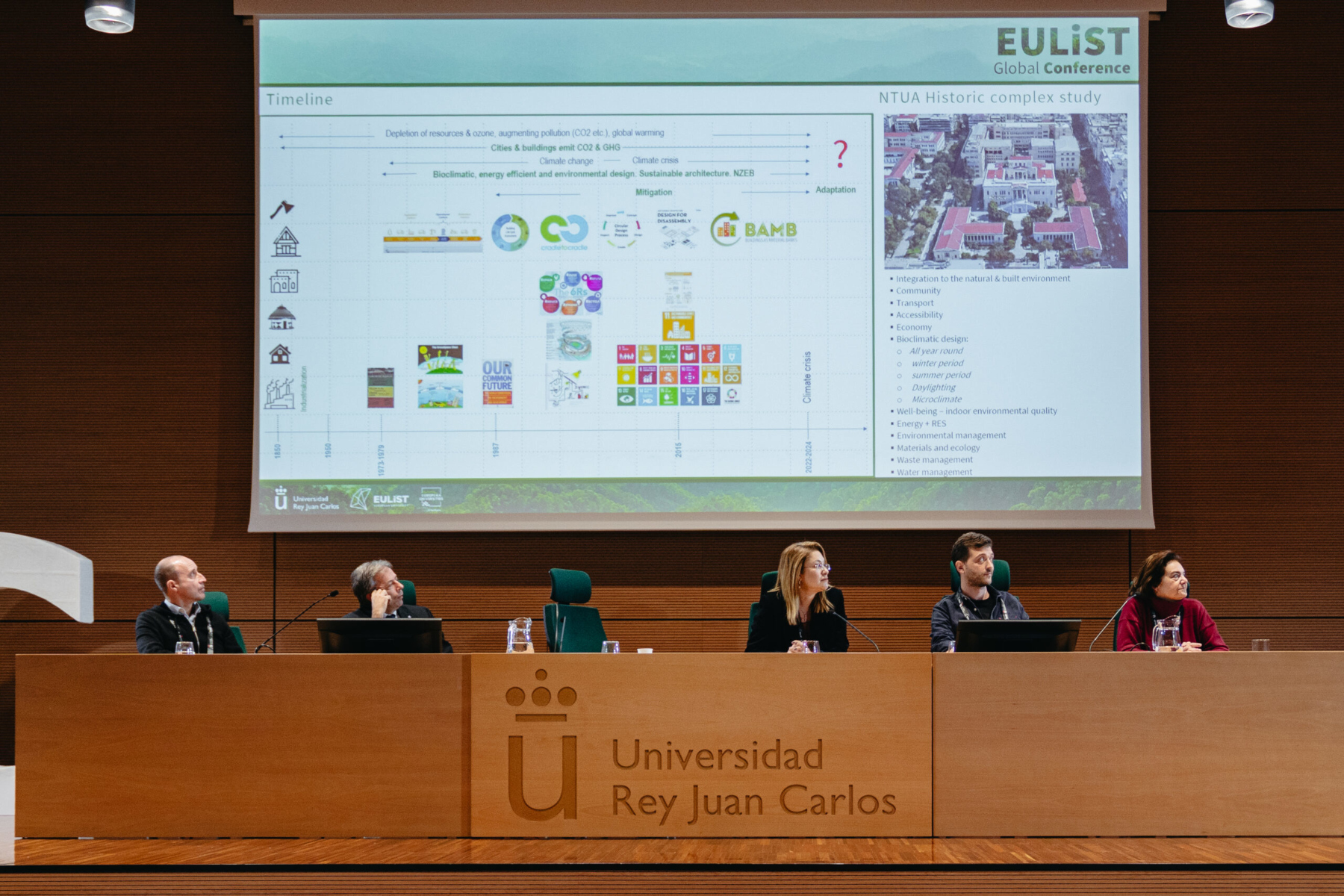
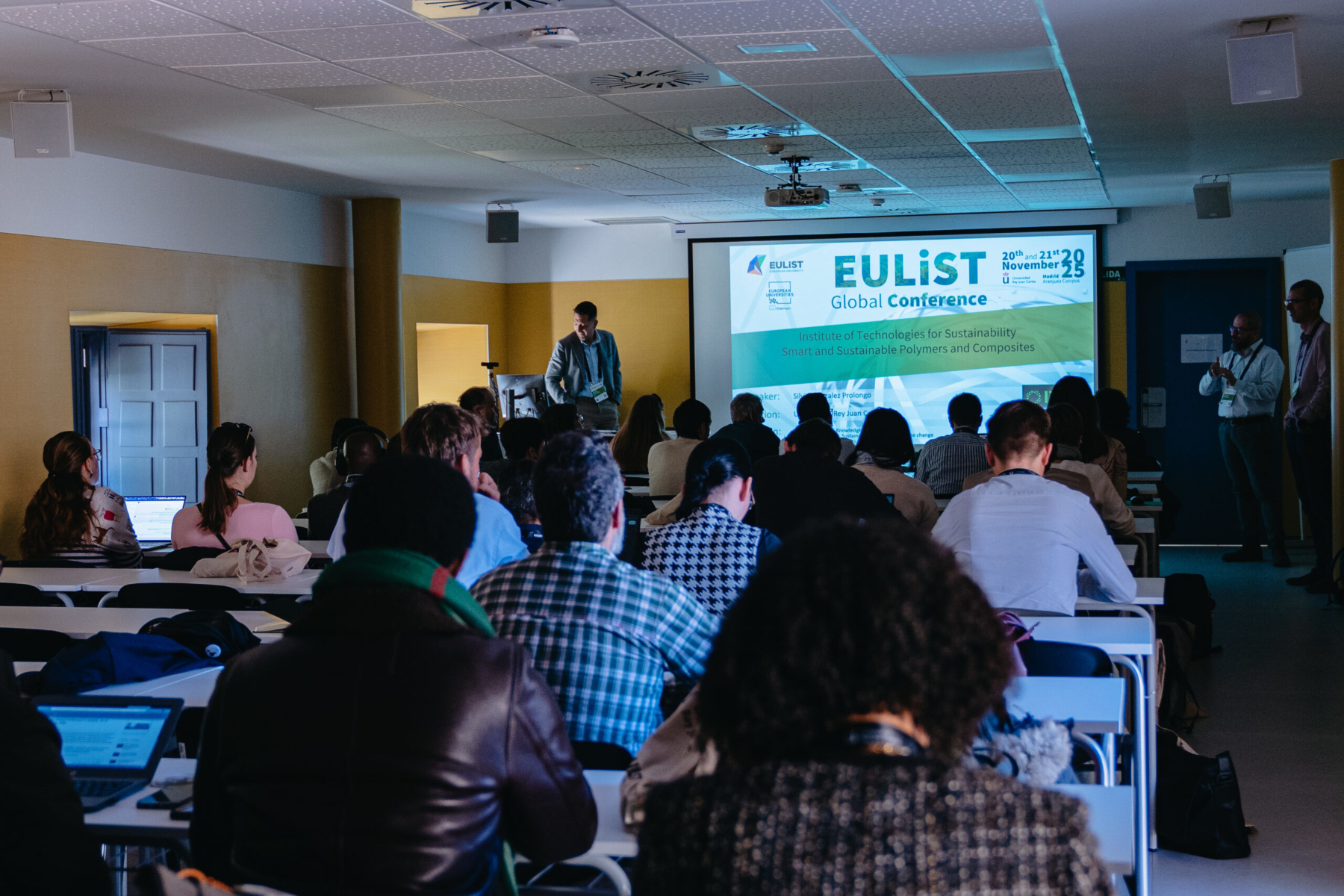
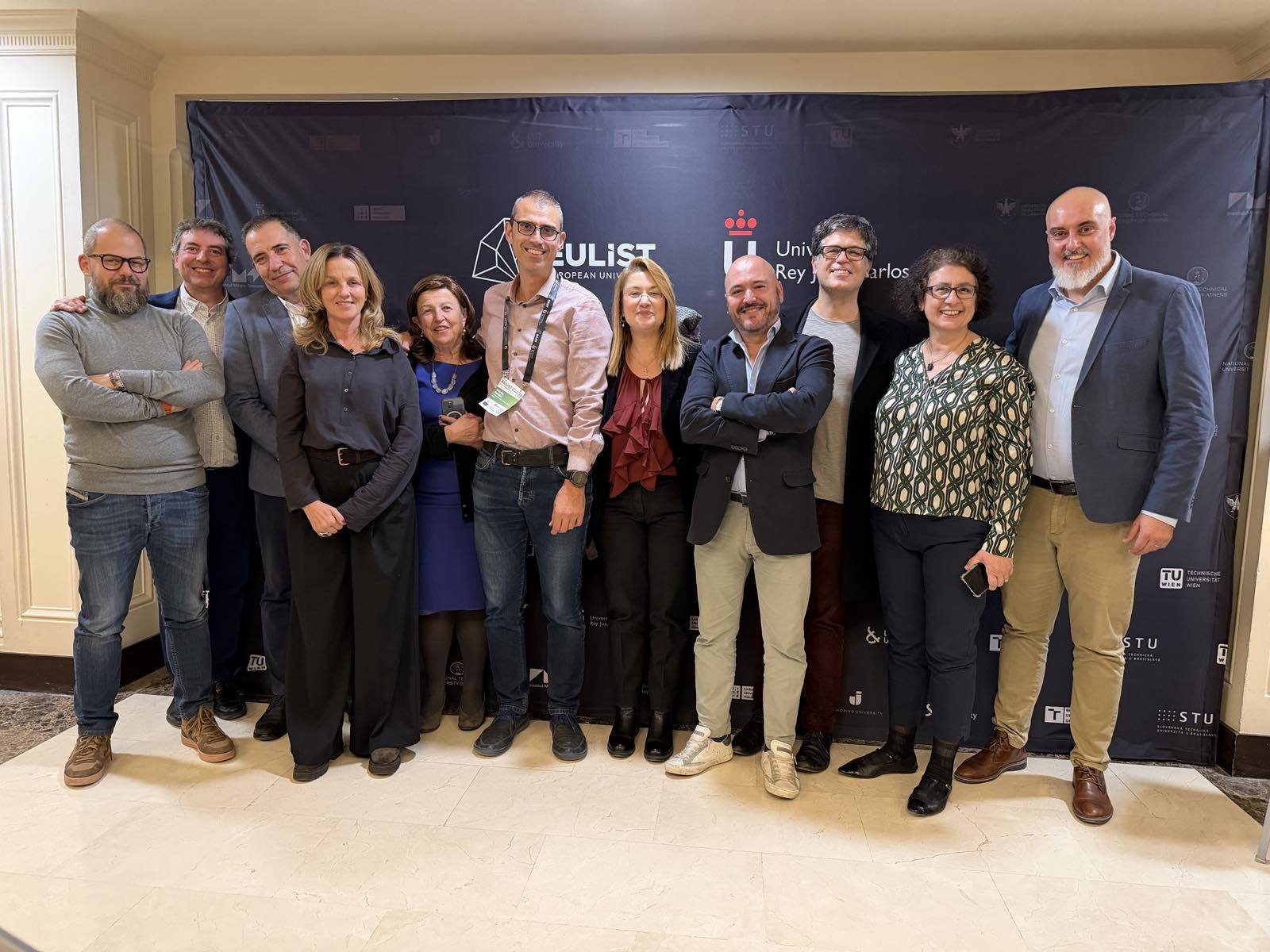
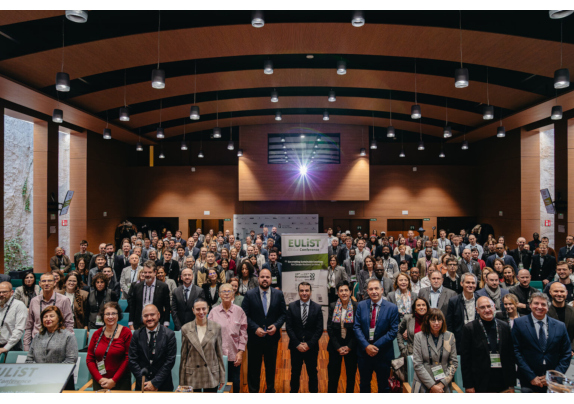
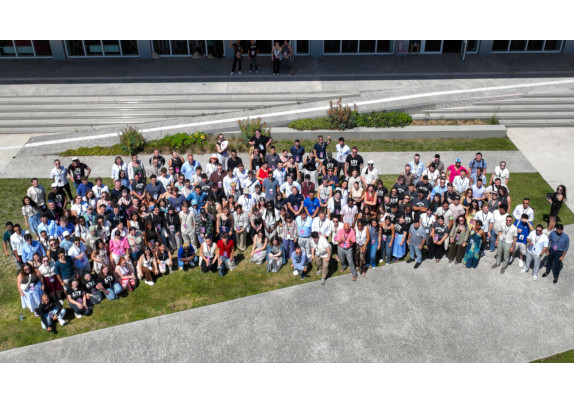
The European university alliance EULiST held its first Global Conference on the Aranjuez campus under the title “Co-creating Sustainable Solutions for Climate-Resilient Societies”, in which 230 researchers from 34 countries debated for two days, with European companies and cities also in attendance.

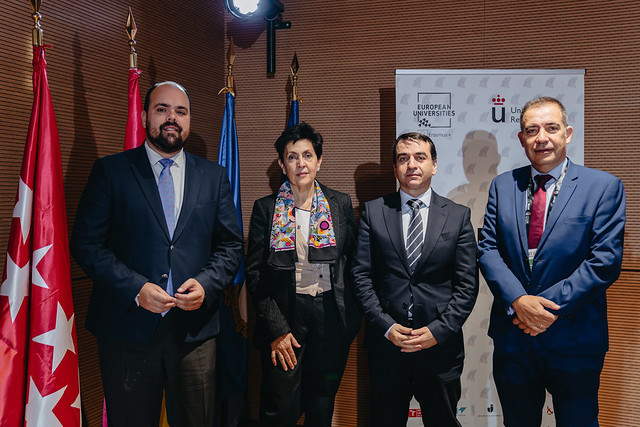
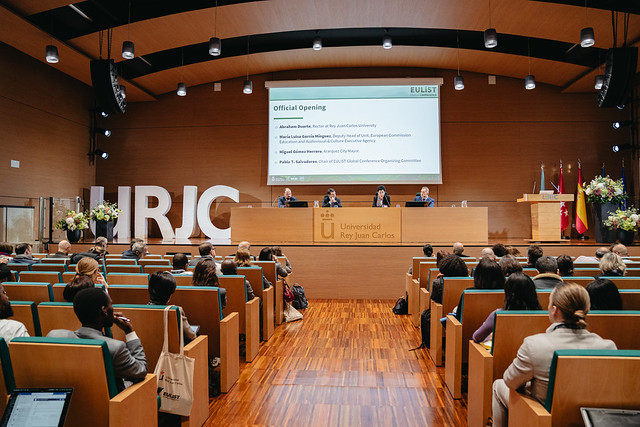
The opening of this Global Conference was presided over by Abraham Duarte, the Rector of the URJC, together with María Luisa García Mínguez, Deputy Director of the European Commission’s Education and Culture Executive Agency (EACEA), Miguel Gómez, Mayor of Aranjuez, and Pablo T. Salvadores, President of the Global Conference Organising Committee.

On 20 November, the rector highlighted the excellent figures and data that support the URJC’s commitment to sustainability, reflected both in global rankings such as “Green Metric World University”, where the URJC is among the most sustainable universities, and in the awards recently received for the best Spanish university in sustainability education and the Energy Efficiency award. Finally, he highlighted the URJC’s commitment to EULiST and the European Universities Initiative, which he considered key to building a more innovative, connected and sustainable Europe.

This Global Conference was structured around a Plenary Session in which various international experts have reflected on the joint work of cities and EULiST, and parallel panels on different topics, always with sustainability as the driving force.

During the final day, participants gathered in parallel thematic sessions and in the closing plenary session to reflect on the major global challenges related to climate change, urban transformation, international cooperation, and innovation in education and technology. In turn, a workshop on Science Communication was held, where this topic was addressed in a practical and interactive way for participants.

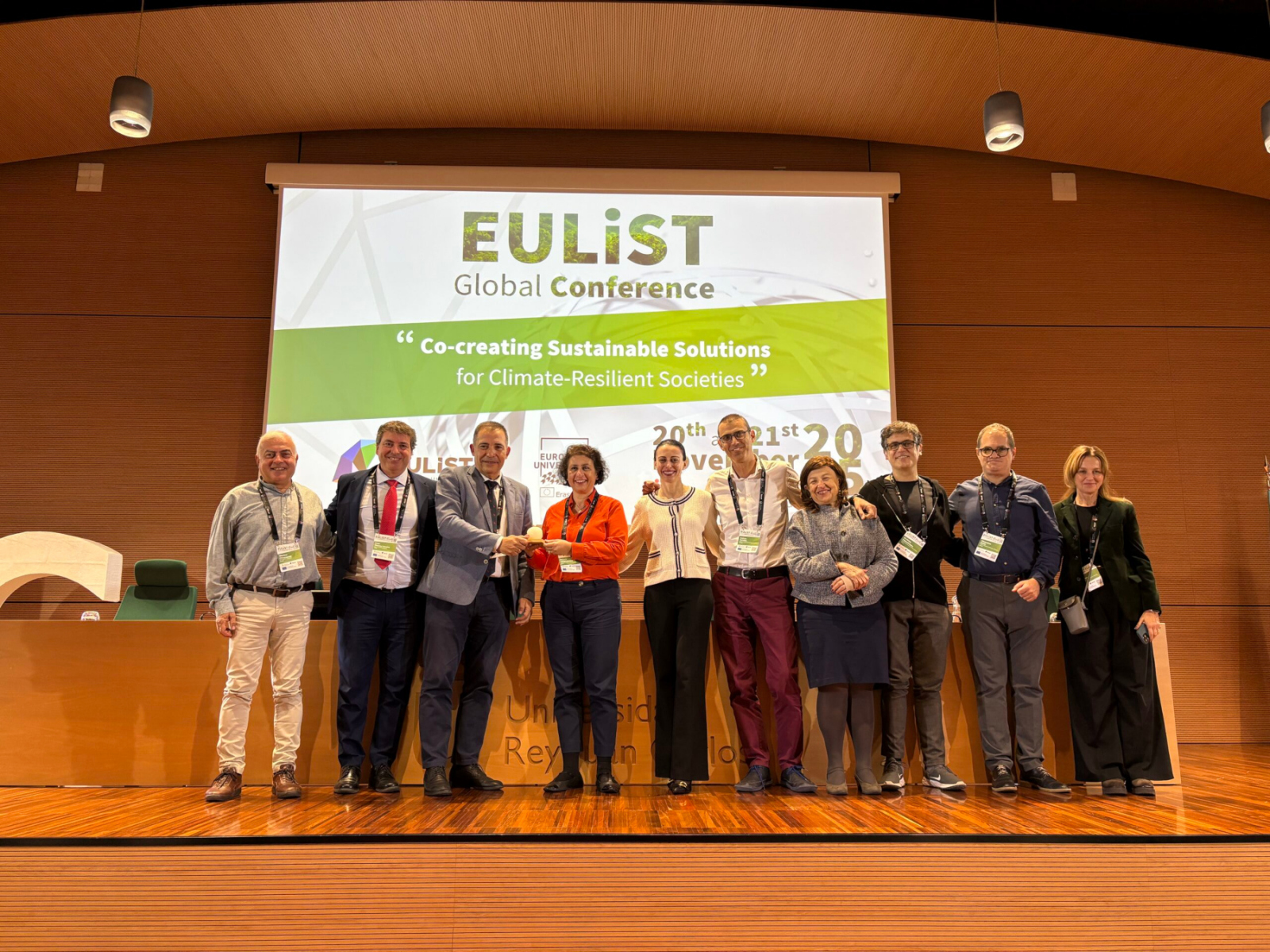
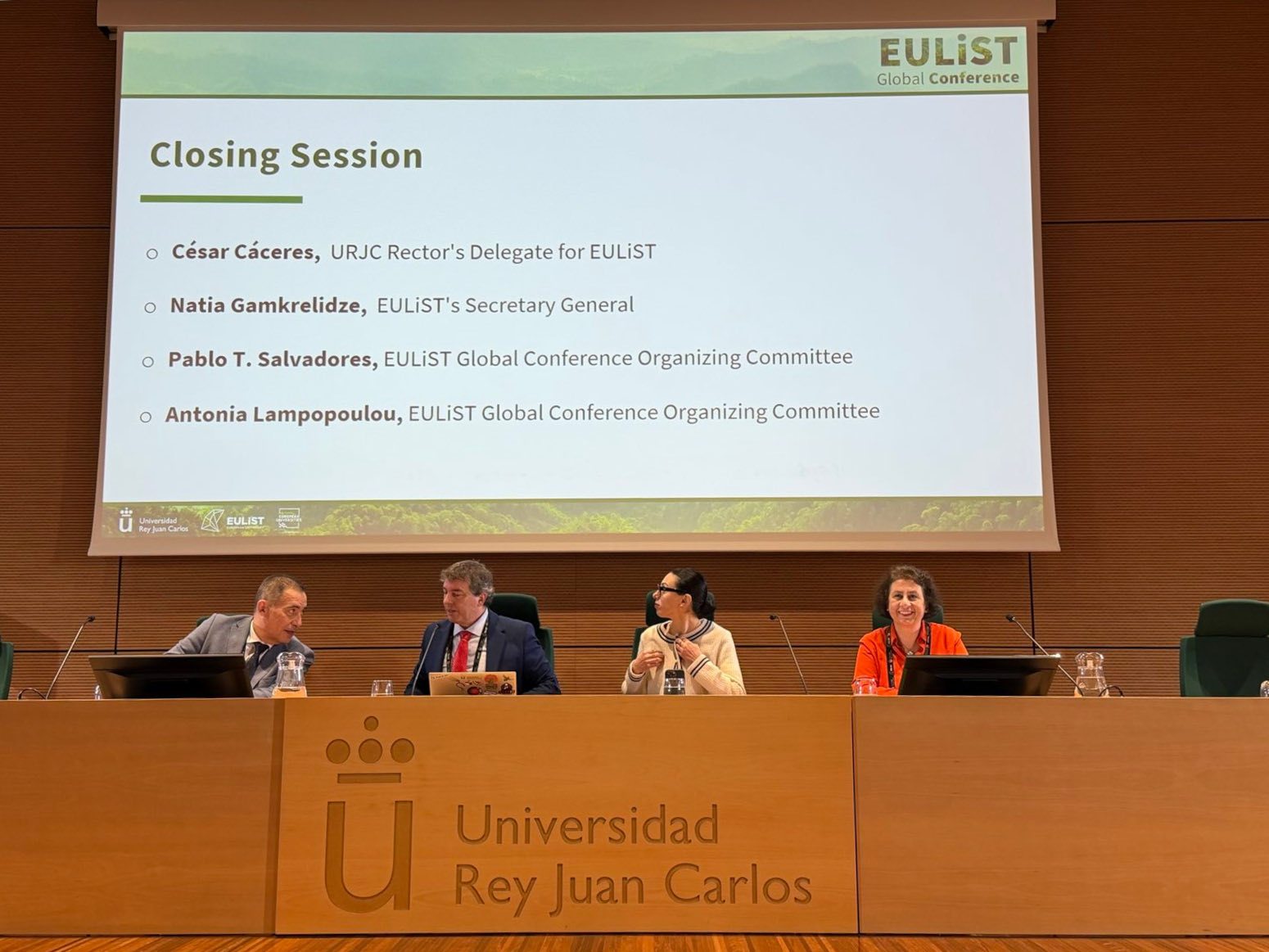
The closing ceremony of this exceptional event took place on 21 November and was led by César Cáceres, URJC Rector’s delegate for EULiST; Natia Gamkrelidze, EULiST Secretary General; and Pablo T. Salvadores and Antonia Lampopoulou, heads of the Global Conference Organising Committee.

Finally, as a closing ceremony, Rey Juan Carlos University handed over the baton to the National Technical University of Athens, with a gift for the celebration of the next Global Conference in Athens in 2027.

The conference reaffirmed the commitment of the EULiST alliance to foster cooperation, knowledge exchange and cross-sector collaboration for tackling climate change and promoting sustainable development.

1_Global_conference_2025-11-24_1
54951631463_372da483ec_z
54951691044_ca25664287_z
54951691234_9e38e7c9c0_z
Global_conference_2025-11-24_2
Global_conference_2025-11-24_3
Global_conference_2025-11-24_4
Global_conference_2025-11-24_5
Global_conference_2025-11-24_6
Global_conference_2025-11-24_7

PreviousURJC Launches Event on Computational Thinking in the Classroom
NextEULiST BIP at LUT: Developing Global Citizenship through Interculturality and Sustainability, May 2026

URJC Launches Event on Computational Thinking in the Classroom

27/11/2025 Deadline: November 30, 2025

The Rey Juan Carlos University, through the COTEDI group, announces the upcoming event “Computational Thinking Education for Diversity and Inclusion,” an initiative focused on the role of Computational Thinking in the classroom and its impact on fostering educational inclusion and diversity.

The event is open to the entire academic community—students, researchers, and administrative staff—who are interested in promoting inclusive practices within their universities.

The full programme is now available, and participants are invited to register until the 30th at 23:00 (CET) through the following link:

👉 Registration form: Computational Thinking Education for Diversity and Inclusion

After the registration period closes, all registered participants will receive the ZOOM access link and further instructions by email.

Discover the programme below:

17:00 – 17:10 OPENING OF THE EVENT
17:10 – 17:20 Bernardino Muñoz Valadés
The European Alliance EULIST
The European Alliance EULiST, of which URJC is a member, is a group of 10 European universities comprising a total of 200,000 students. One of its main focuses is sustainability, connecting STEM knowledge with the Social Sciences and Humanities (SSH) to develop solutions to today’s and tomorrow’s major societal challenges—in particular climate change, the digital transition, and social cohesion. EULiST promotes challenge-based learning to educate future generations of students, researchers, academics, and lifelong learners in order to build a more sustainable and globally engaged Europe.

17:20 – 17:45 María Zapata Cáceres
What is Computational Thinking? The CoTEDI Project
We present the CoTEDI project: Computational Thinking in Education with Diversity and Inclusion. Our goal is to create accessible educational packages for developing Computational Thinking in the classroom, as well as teacher training in this competence.

17:45 – 18:15 Gema Jiménez González
CodeFarm: an educational proposal for computational thinking in early childhood
CodeFarm is an educational application designed to introduce computational thinking to children aged five to seven through video games. It develops key skills such as sequencing, problem decomposition, and data analysis, and adapts to pre-literate children. We will address how accessible design and a video game approach enable young learners to develop digital competencies from an early age.

18:15 – 18:35 Emy Quintanar Ferreira
Attention! Little ones programming
Computational thinking allows us, from very early ages, to bring many kinds of learning to students within a playful approach that increases their interest and, as a result, improves the teaching–learning process.

18:35 – 18:55 Marta Torres Bañón and Elisabet Montesinos Nicás
Think, create, and play: introducing computational thinking with True True in Primary Education
In this talk we will explore how True True devices can become a powerful tool to develop computational thinking from the early years of primary school. Through playful, hands-on activities, students learn to sequence actions, recognize patterns, and solve problems creatively—without screens. We will reflect on how to integrate these experiences in the classroom, connect them to curriculum areas, and foster autonomy, collaboration, and technological curiosity from an early age. We will also share practical examples and real activities that show that programming also means thinking, creating, and playing.

18:55 – 19:05 BREAK
19:05 – 19:25 Laura Guijorro Ramos
Multiples calculator, technology, and play in primary education
Discover how programming and computational thinking can become powerful allies in the classroom. Did you know that concepts such as prime and composite numbers, multiples and divisors, or even electrical circuits can come to life through technology? In this talk we will explore activities that connect mathematics with robotics, electronics, and basic programming. An invitation to look at the curriculum with new eyes… Are you interested?

19:25 – 19:45 Belén Orihuela Pantoja
Time Travelers: a practical proposal to work on computational thinking through the Ages of History in primary education
In Time Travelers, Computational Thinking is developed without screens through unplugged activities: building prehistoric shelters with LEGO, designing symmetrical heraldic shields, creating Renaissance choreographies, and deciphering messages in Morse code, culminating in a collaborative timeline. These proposals develop decomposition, pattern recognition, algorithmic thinking, and debugging, with high student motivation and improvement in historical chronology and computational skills.

19:45 – 20:00 AWARDS CEREMONY
20:00 – 20:20 Presentation of the first-prize winning experience
20:20 – 20:30 CLOSING OF THE EVENT

URJC encourages members of the educational community to join the event and help disseminate this initiative within their Schools/Faculties of Education and among colleagues involved in inclusion and diversity projects. We look forward to seeing you!

PreviousLUT Delegation Visit at NTUA
NextURJC Hosts the First EULiST Global Conference to Advance Climate-Resilient and Sustainable Societies

LUT Delegation Visit at NTUA

26/11/2025

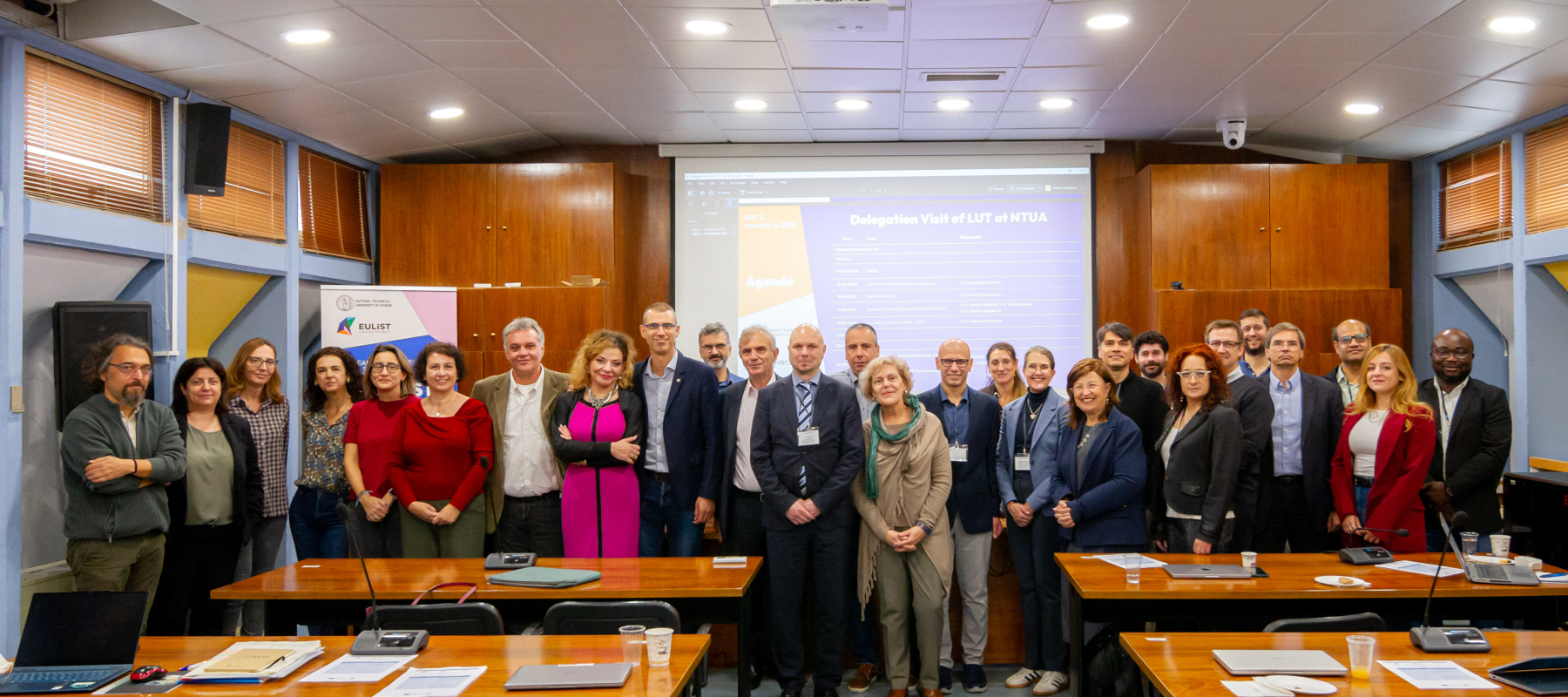
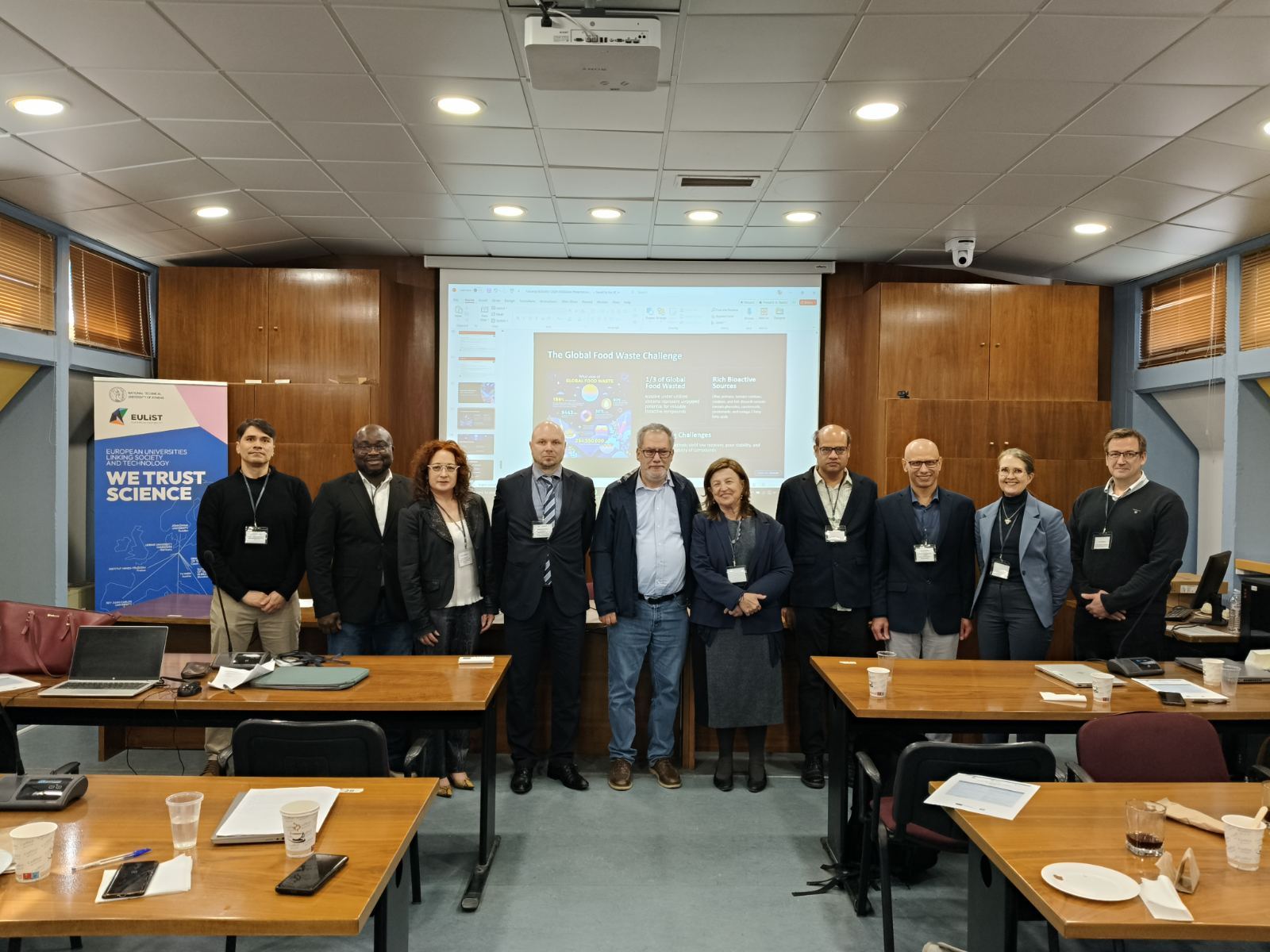
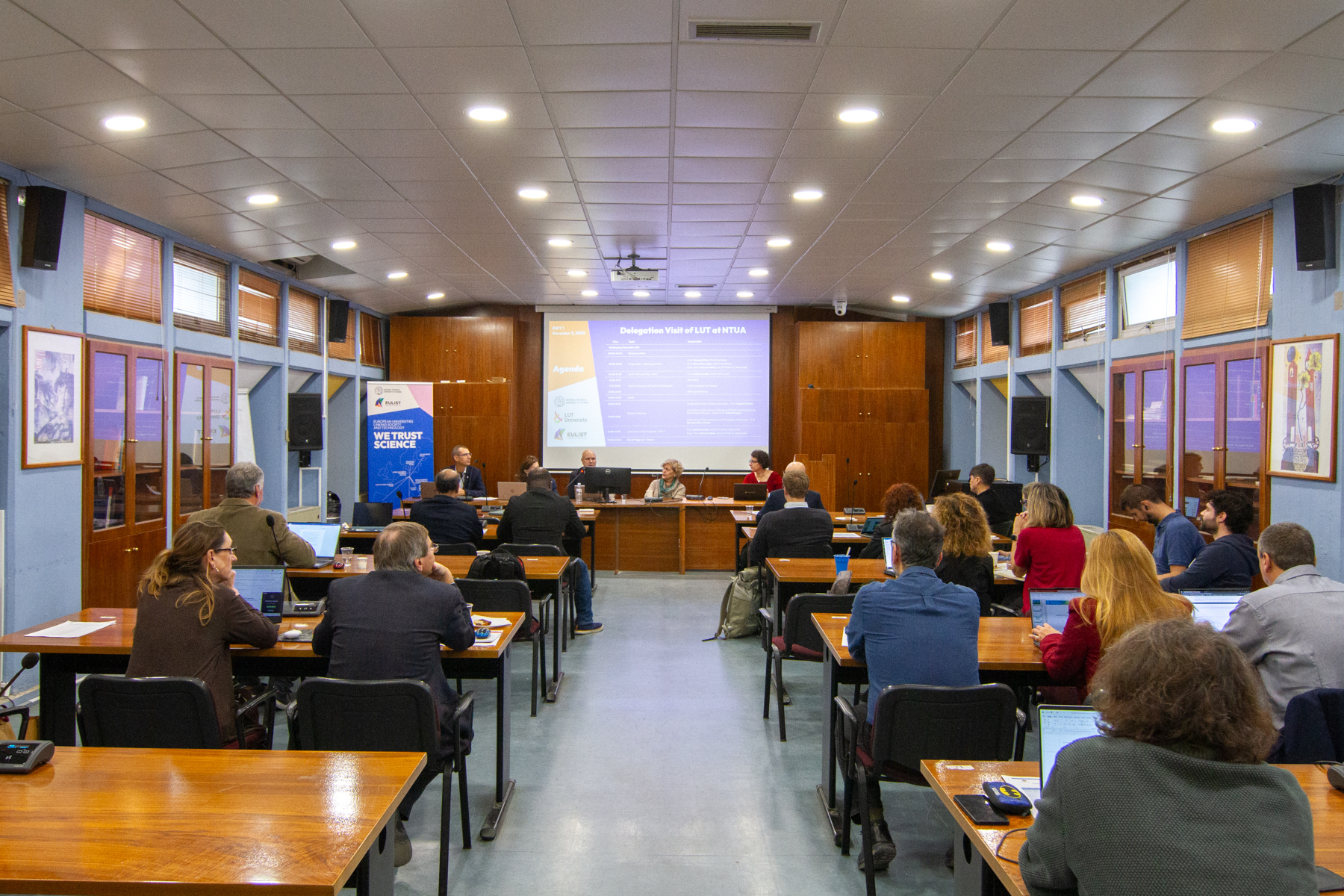
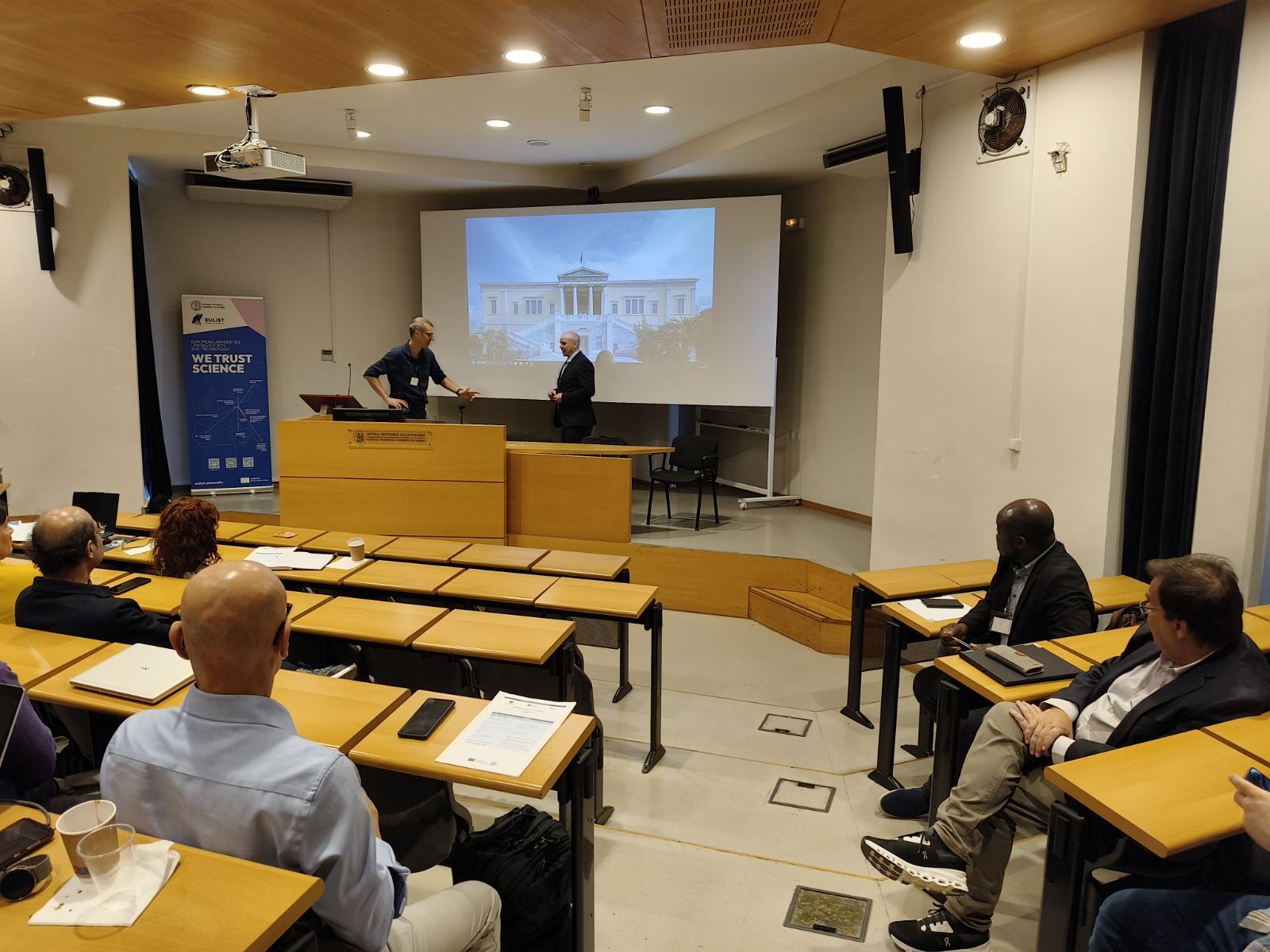
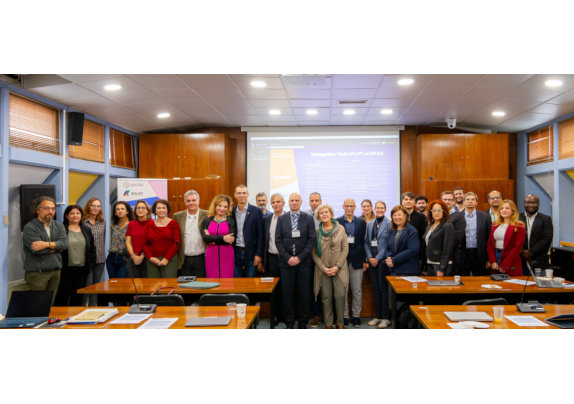
On November 5 and 6, 2025, a research delegation from the Department of Separation Science of LUT School of Engineering Sciences visited the National Technical University of Athens (NTUA) to strengthen academic partnerships within the EULiST Alliance and explore opportunities for future research collaboration.

The visit was hosted at the NTUA School of Chemical Engineering. The scientific fields that were explored during the visit were Biorefining, Food Processing Technologies, Metals and Minerals, and P-to-X Chemicals.

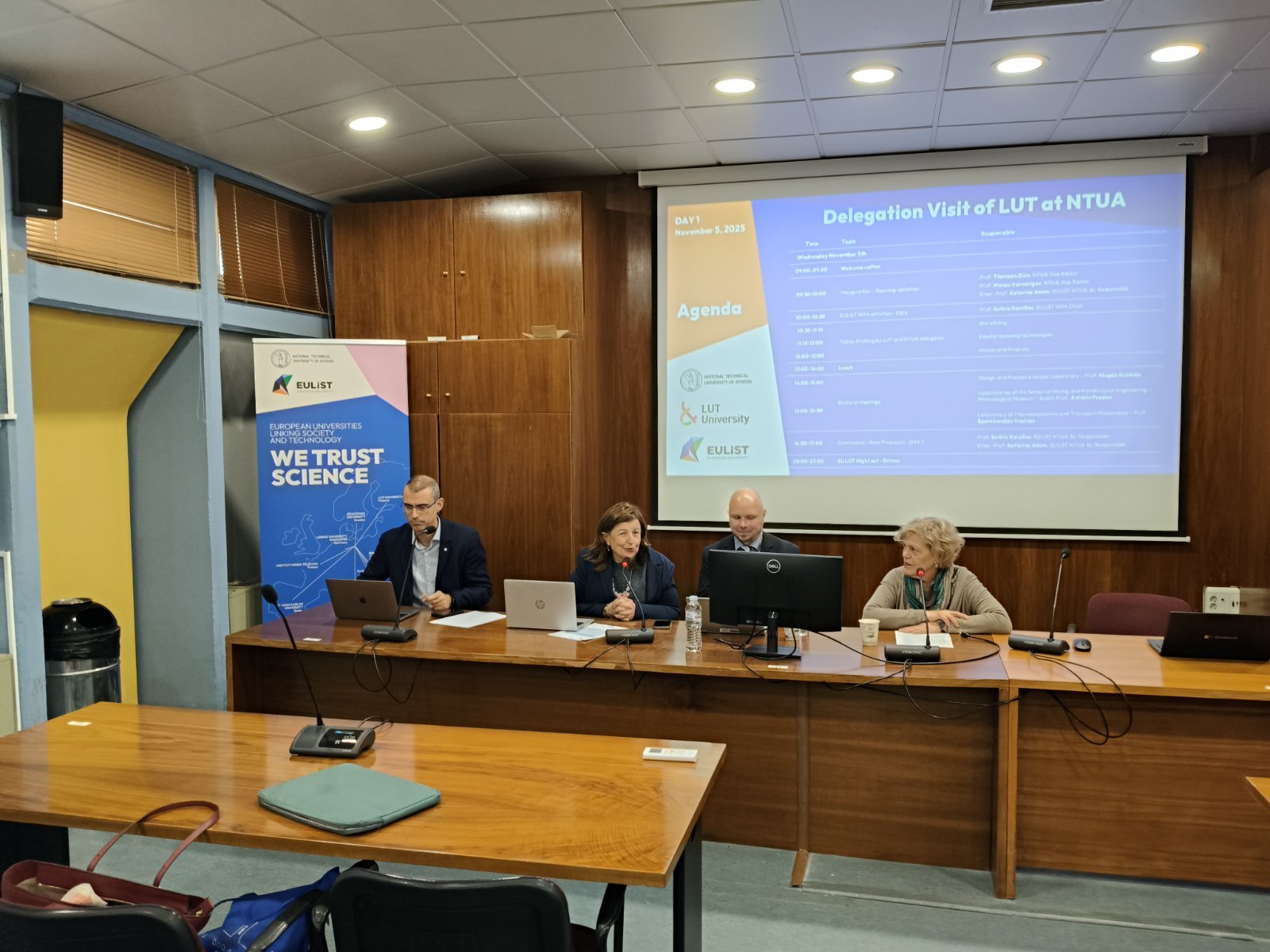
The visit was inaugurated by the NTUA Vice Rector for Research, Innovation and Extroversion, Prof. Manos Varvarigos, and the NTUA School of Chemical Engineering Dean, Prof. Glykeria Kakali.

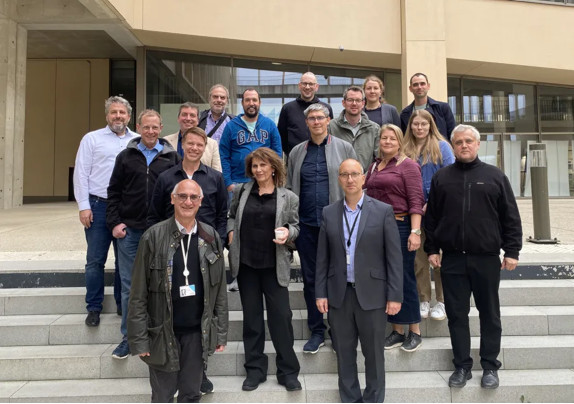
LUT delegation consisted of Assoc. Prof. Sami Virolainen, Assoc. Prof. Ikenna Anugwom, Assoc Prof. Rama Layek, Assist. Prof. Samuel Perez-Vega, Assoc. Prof. Nima Rezaei, Assoc. Prof. Niko Kinnunen, Dr. Katja Lahikainen, and Dr. Taija Hämäläinen.

NTUA delegation consisted of Prof. Sotiris Karellas, Prof. Emer. Katerina Adam, Prof. Andreas Boudouvis, Prof. Costas Charitidis, Prof. Antonis Kokossis, Prof. Magdalini Krokida, Prof. Gerasimos Lyberatos, Prof. Evangelia Pavlatou, Prof. Petros Taoukis, Prof. Evangelos Topakas, Prof. Epaminondas Voutsas, Prof. Anthimos Xenidis, Assoc. Prof. Maria Giannakourou, Assoc. Prof. Stamatina Vouyiouka, Assist. Prof. Kyriakos Lampropoulos, Assist. Prof. Antonis Peppas, Assist. Prof. Stergios Vakalis, Dr. Christos Boukouvalas, Dr. Lazaros Karaoglanoglou, Dr. Vicky Louli, Dr. Efstratios Nikolaivits, Dr. Konstantina Papadopoulou, Dr. Georgia Pappa, Dr. Panagiotis Angelopoulos, Dr. Chrysa Politi, PhD Cand. Maria Modestou, Antonia Lampropoulou.

The visit included plenary sessions with a presentation of the EULiST WP4 “Research and Innovation” activities, with a particular focus on ERIA (EULiST Research and Innovation Academy), topics pitches from both counterparts, visits to Laboratories at the School of Chemical Engineering (Design and Process Analysis Lab, Thermodynamics and Transport Phenomena Lab, Biotechnology Lab) and the School of Mining and Metallurgical Engineering and the Mineralogical Museum.

Most importantly, bilateral discussions took place, and discussions were initiated on developing joint proposals. These discussions have formed a basis for building trust, understanding mutual interests, and establishing a foundation for cooperation in specific funding calls.

The Master Programs of NTUA’s School of Chemical Engineering were presented to explore a potential future EULiST double degree framework between equivalent study programs from LUT and NTUA. As a first step, the delegates will seek to develop EULiST courses exploring the complementarity of existing Master Programs.

This vibrant visit highlights the dynamic cooperation fostered within the EULiST Alliance and underscores the commitment of both institutions to advancing long-lasting and meaningful collaborations in education and research.

Agenda


Cover-Photo
LUT-1
LUT-2
LUT-3
LUT-6
LUT-DINNER

PreviousJönköping University Summer School 2026
NextURJC Launches Event on Computational Thinking in the Classroom

Jönköping University Summer School 2026

26/11/2025 Application opens: 1st December 2025, closes: 1st April 2026

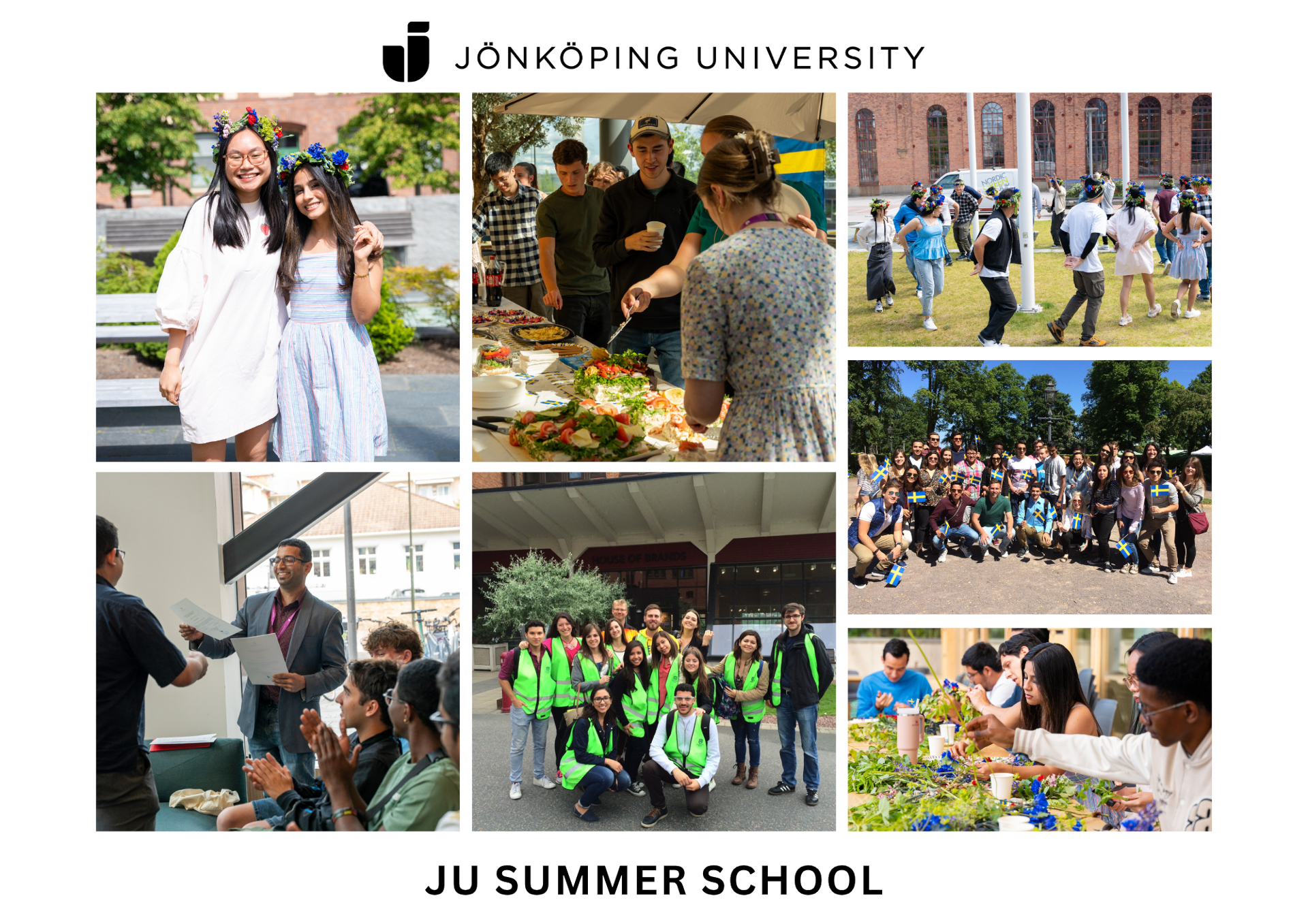
Jönköping University Summer School offers students a 4-week course from 1st – 26th June. The programme includes visits to local companies, as well as a Social and Cultural Package filled with activities and Swedish traditions! All 3 courses are taught in English.

Students can choose 1 of 3 courses:

  • Purchasing Logistics with a Global Perspective, 10 ECTS
  • Human-centered Cybersecurity and Privacy, 10 ECTS
  • Project Management and Leadership, 10 ECTS

You can find the prerequisites for the courses, as well as more information about JU Summer school here: ju.se/summerschool

Registration

Application opens: 1st December 2025
Closes: 1st April 2026

Register via JU website: APPLY HERE!
EU citizens are not required to pay tuition or application fees

Contact

General questions: incoming.student@ju.se

Application queries: Admissions.Office@ju.se


PreviousHellenic-Romanian Logic and Computation Seminar
NextLUT Delegation Visit at NTUA

Hellenic-Romanian Logic and Computation Seminar

21/11/2025

http://imar.ro/~diacon/HRLogComp/HRLogicComputSeminar.ht 

Monday 24th of November at 18.00 GR/RO time  

link: https://meet.jit.si/HRLogicComputSeminar

Title: Shadowy institutions

Speaker: Prof. Siddarth Bhaskar 

Abstract: In finite model theory, we are interested in logics which make use of some additional structure (such as a linear ordering of the universe), but whose semantics are invariant with respect to which linear order is chosen. (Such logics capture several important complexity classes.) While these logics generally have badly behaved (undecidable) syntax, there is no in-principle obstruction to doing model theory with them. However, progress is “notoriously difficult” due to lack of logical tools.

After many years of thinking about how to lift (finitary) order-invariance to arbitrary infinite structures, I discovered that institution-independent model theory was exactly the right level of generality to couch the basic definitions and results. I will describe the fundamental object, which I am now calling a “shadow,” and describe how to construct a new institution out of a given one where shadows play the role of signatures. This is still very preliminary work, but it holds the promise that we can make progress in finite model theory and perhaps ultimately computational complexity by developing the model theory of shadowy institutions. 

Bio: Siddharth Bhaskar is an assistant professor in the Department of Mathematics and Computer Science at the University of Southern Denmark. His research focuses on the interaction of logic with foundational aspects of computer science, such as in finite model theory and implicit computational complexity. His interests also extend to broader topics such as mathematical phonology and CS education. He received his PhD in mathematical logic from UCLA in 2015.

Previous2nd PRO-SLO PhD School – CALL FOR STUDENTS IS OPEN!
NextJönköping University Summer School 2026

2nd PRO-SLO PhD School – CALL FOR STUDENTS IS OPEN!

18/11/2025 Deadline: December 15, 2025

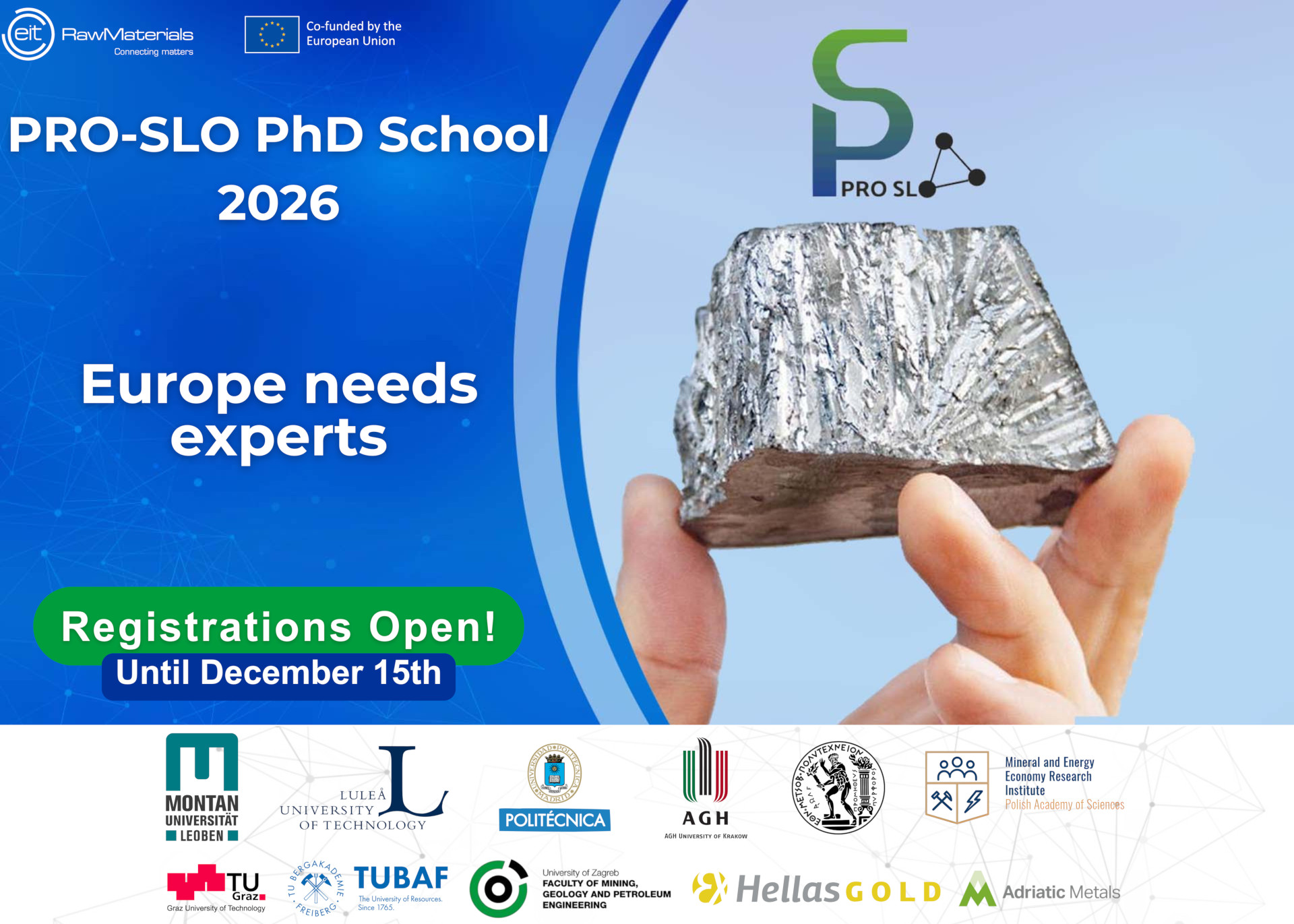
After a very successful 1rst edition in 2025, the Call for student applications for the 2nd PRO-SLO PhD School, that is funded by EIT RawMaterials, is open!

From the 4th of November to the 15th of December 2025, students can apply for participation through the link: 2nd PRO-SLO PhD School Student Application

The School is a specialized education programme in the topic of Social Licence to Operate (SLO), comprising online and onsite parts, exclusively for PhD students in the field of raw materials, engineering, social, business, economic and environmental sciences.

The 2026 School edition comprises an online part, from 9th to 13th of February 2026, with lectures on the basic SLO principles and terminology from various perspectives, such as policy, societal, ethical and environmental and SLO examples related to the Raw Materials sector. During the onsite part, from the 19th to the 24th of April 2026, to be held in Kassandra Mines of Hellas Gold S.A in Greece, students will interact with stakeholders to develop a methodology to obtain SLO, with the support of academic and industry mentors. Between the two parts, in the interval period, from the 23rd of February  to the 27th of March, students will work in groups and will be assigned with an SLO-related project with frequent online mentorship meetings.

At the completion of the PRO-SLO PhD school, students will know and understand:

  • Concept, principles and business case for a SLO in the Raw Materials industry, and the risks involved in ignoring the importance of a social license;
  • Nature and dynamics of stakeholders, the role of social capital, and how to interact with communities to gain and maintain a SLO.

The PhD School is beginner level; no previous knowledge and experience on the topic of SLO is needed. The students are also exempt from paying any participation fees.

All information about the PRO-SLO PhD School programme, organisation and structure, learning outcomes, eligibility criteria and more can be found in the Call document.

Please check your eligibility and apply now!

In case of any questions, do not hesitate to contact us at: christod@metal.ntua.gr

  • CONTRACT FOR PARTICIPATION IN THE PRO-SLO PHD SCHOOL
  • PRO-SLO PhD School – CALL FOR APPLICATION OF STUDENTS


PreviousEULiST GLOBAL CONFERENCE 2025 Pre-conference for PhD students (and Postdocs within 2 year after obtaining PhD)
NextHellenic-Romanian Logic and Computation Seminar
  • Recent News
  • Recent Events
URJC Hosts the First EULiST Global Conference to Advance Climate-Resilient and Sustainable Societies
URJC Hosts the First EULiST Global Conference to Advance Climate-Resilient and Sustainable Societies 29/11/2025
LUT Delegation Visit at NTUA
LUT Delegation Visit at NTUA 26/11/2025
EULiST Task Group 2.1 Seminar on the European Digital Campus
EULiST Task Group 2.1 Seminar on the European Digital Campus 04/11/2025
“The Waltz of Pioneers” – Celebrating Europe’s Top Early-Stage spin-offs
“The Waltz of Pioneers” – Celebrating Europe’s Top Early-Stage spin-offs 31/07/2025
EULiST Student Conference 2025 in Douai, France: A Week of Collaboration, Innovation and Cultural Connections
EULiST Student Conference 2025 in Douai, France: A Week of Collaboration, Innovation and Cultural Connections 15/07/2025
EULiST at ECOS Conference 2025 in Paris
EULiST at ECOS Conference 2025 in Paris 15/07/2025

logo

The alliance EULiST – European Universities Linking Society and Technology aims to manifest the European experience for all students and university members.

PAGES

  • Alliance
  • Digital Campus
  • Opportunities
  • News
  • Contact

FOLLOW US

© 2025 EULiST - European University, All Rights Reserved.
Funded by the European Union. Views and opinions expressed are however those of the author(s) only and do not necessarily reflect those of the European Union. Neither the European Union nor the granting authority can be held responsible for them.