2nd EUI Research and Practice Symposium
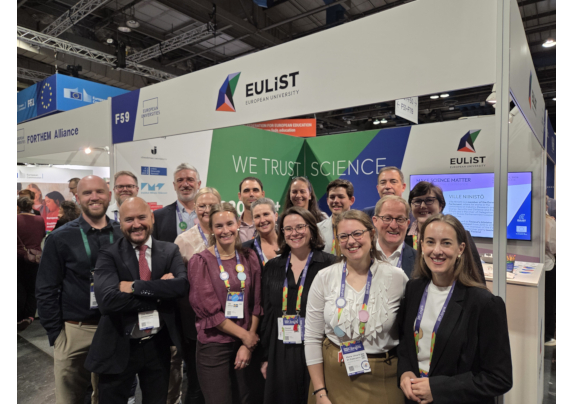
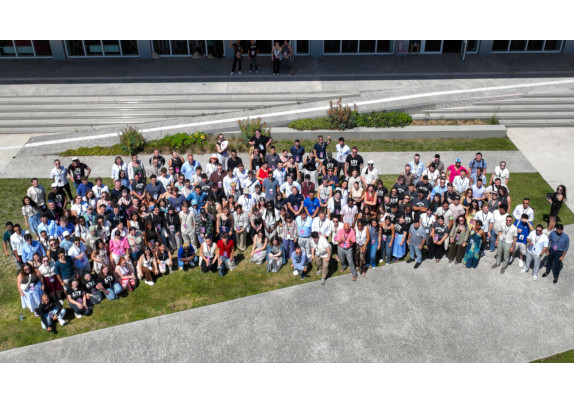
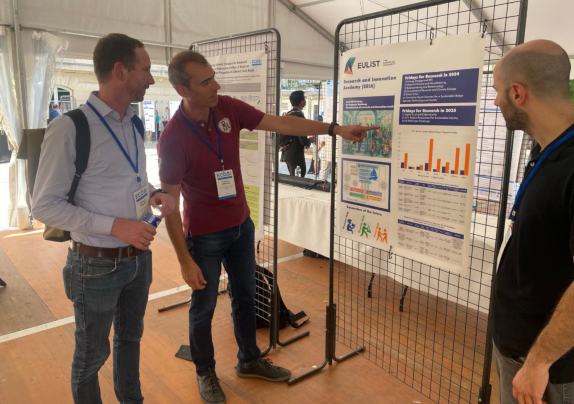
The European University Initiative (EUI) has been influencing and shaping universities for the better part of a decade, attracting growing interest from researchers across Europe. Recognising this momentum, a group of active researchers decided to stage a symposium on the EUI. Rather than simply bringing academics together, the event explicitly invited practitioners to contribute and attend. The second edition of the EUI Research and Practice Symposium took place on 2–3 July 2026 at WU Vienna. Chris Schubert and Gregor had the opportunity to attend, representing EULiST.
Alliance Hopping Tour
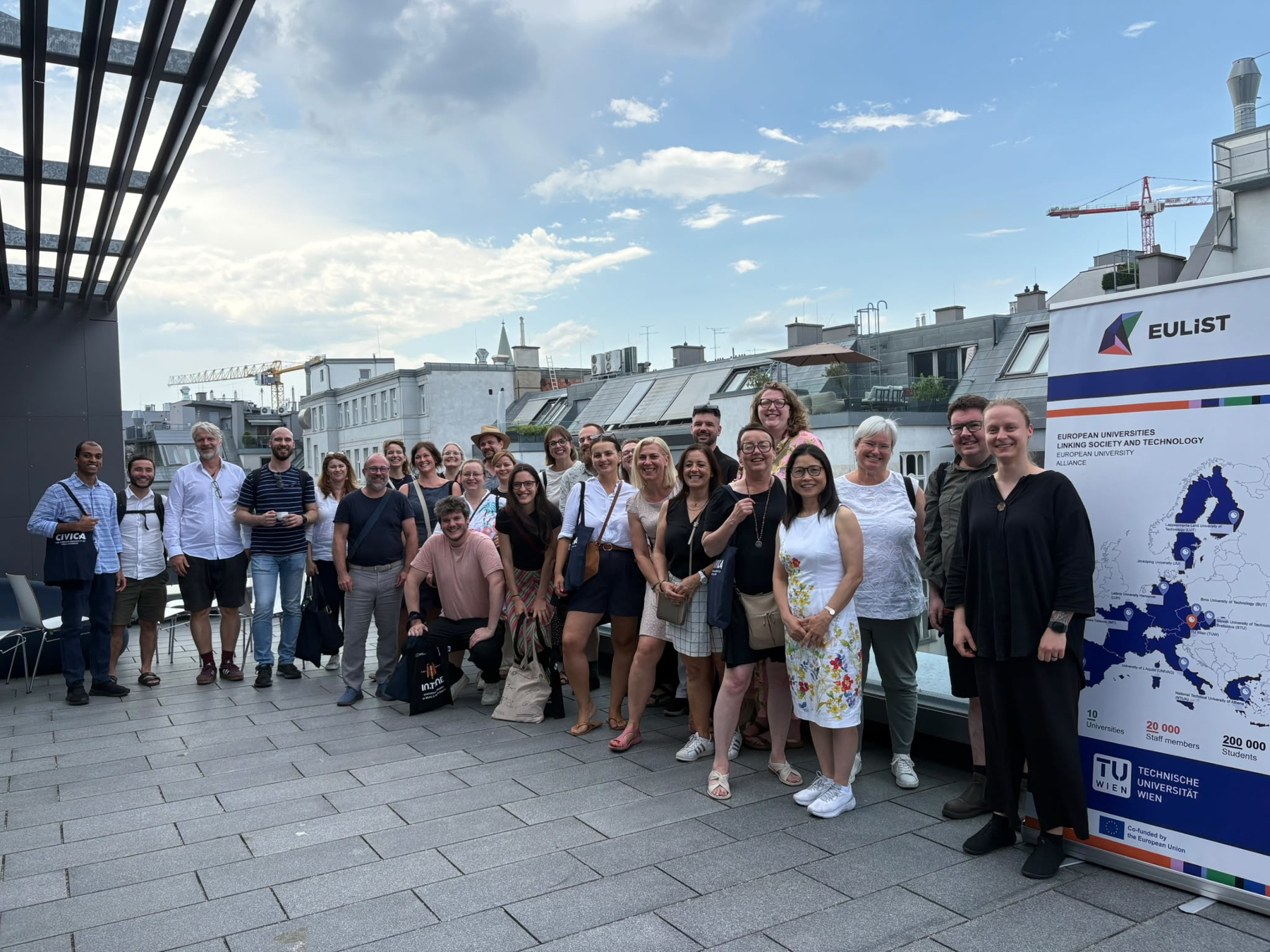
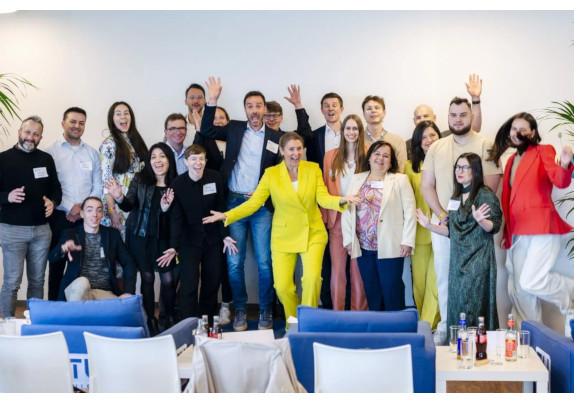
The symposium was complemented by an “alliance hopping” tour. Roughly 30 participants visited all Viennese universities participating in a European University Alliance. Alongside BOKU, the University of Vienna, the University of Music and Performing Arts, and Central European University, TU Wien had the honour of hosting the delegation. In two sessions covering the European Campus Hainburg initiative and EULiST’s impact on the TU Wien student union, participants gained insight into how EULiST is shaping initiatives on campus.
Dean Marko Mihovilovic presented the current status of the European Campus Hainburg initiative, a project involving St. Pölten University of Applied Sciences, TU Wien, and the EUDRES and EULiST alliances. Backed by the state of Lower Austria, the project aims to establish a science hub in Hainburg, a town on the Danube between Vienna and Bratislava. Set on former military grounds, the new physical campus will cater to the growing number of professionals relocating to the region. Initial plans include launching a degree programme led by the University of Applied Sciences St. Pölten and creating a hub for Green Technologies and Innovation. Further details on European Campus Hainburg can be found here: https://eudres.eu/europacampus-hainburg
Local coordinator Gregor Fischer presented how EULiST has reshaped the TU Wien student union (HTU) since students gained representation in the alliance’s governance. HTU, an institution with 80 years of history and well-established structures, had to rapidly adapt to this new form of representation. EULiST’s influence led to structural changes, from establishing new voting procedures to founding a department for International Affairs. This department became the foundation for a new movement within the student union, aimed at strengthening the voice and representation of international students by removing language barriers in service advertisements and information provision.
2nd EUI Research and Practice Symposium
A key topic of the symposium was impact. The discussion began with how to measure it, featuring an excellent keynote by Jelena Branković on how alliances are stepping into the metrics trap. What to measure where Alexandru Carțiș held a campfire around what to measure around the numerous Blended Intensive Programmes CIVIS has been setting up and how to judge their success. However, also some results were shown such as Andra Stan-Dragotesc’s presentation on the impact of European University Alliances in Romania.
Gregor Fischer: “From a practioner’s perspective this symposium gave many insights not only into the scientific analysis of alliances but also how other alliances operate and what their challenges are”
Further information on the symposium including a book of abstracts can be found here: https://www.wu.ac.at/eui26/eui26