Architectural and Urban Design EULiST BIP in Athens on “Resilient and Adaptive Cities – The Case Study of Agios Pavlos”
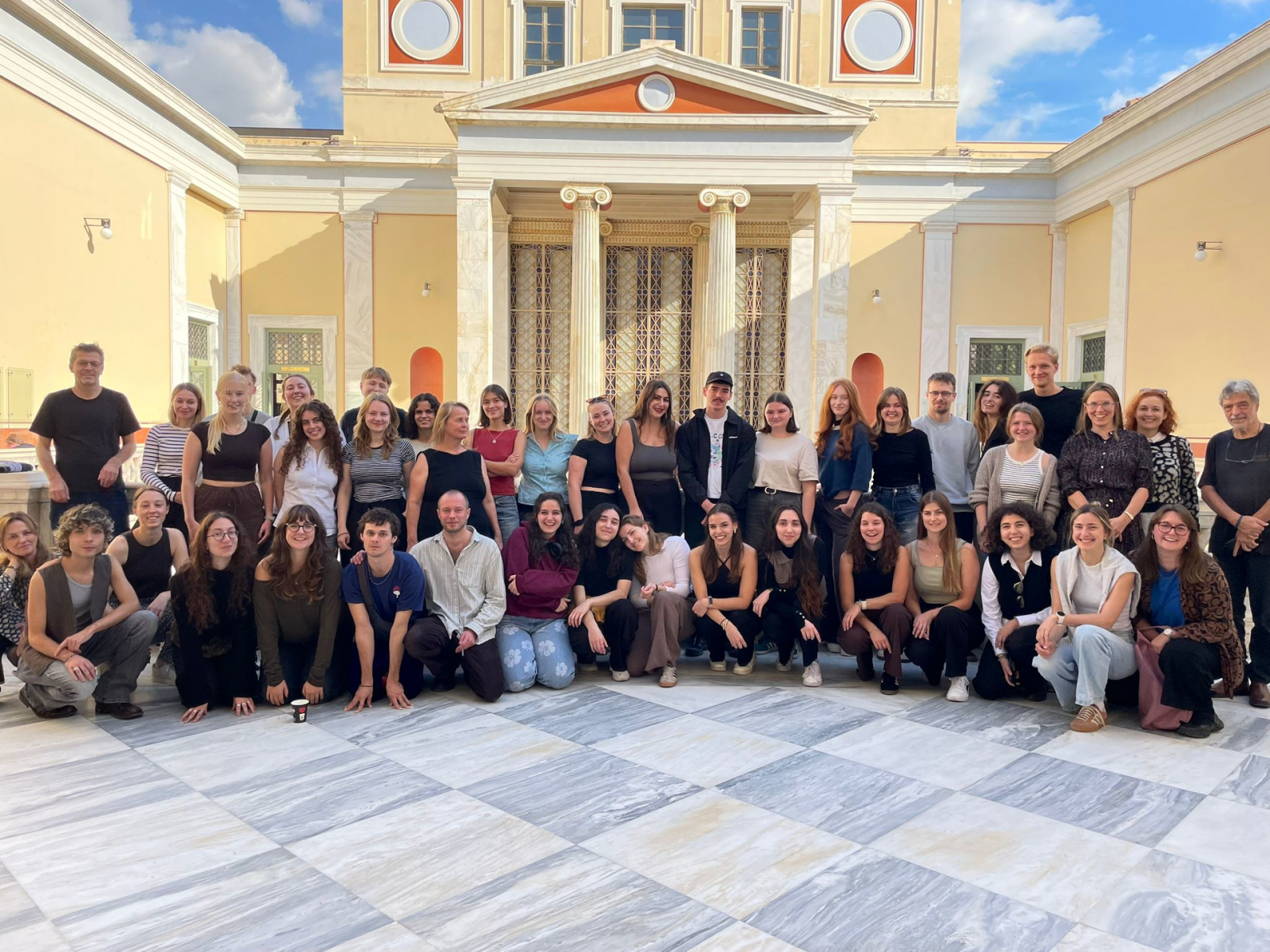
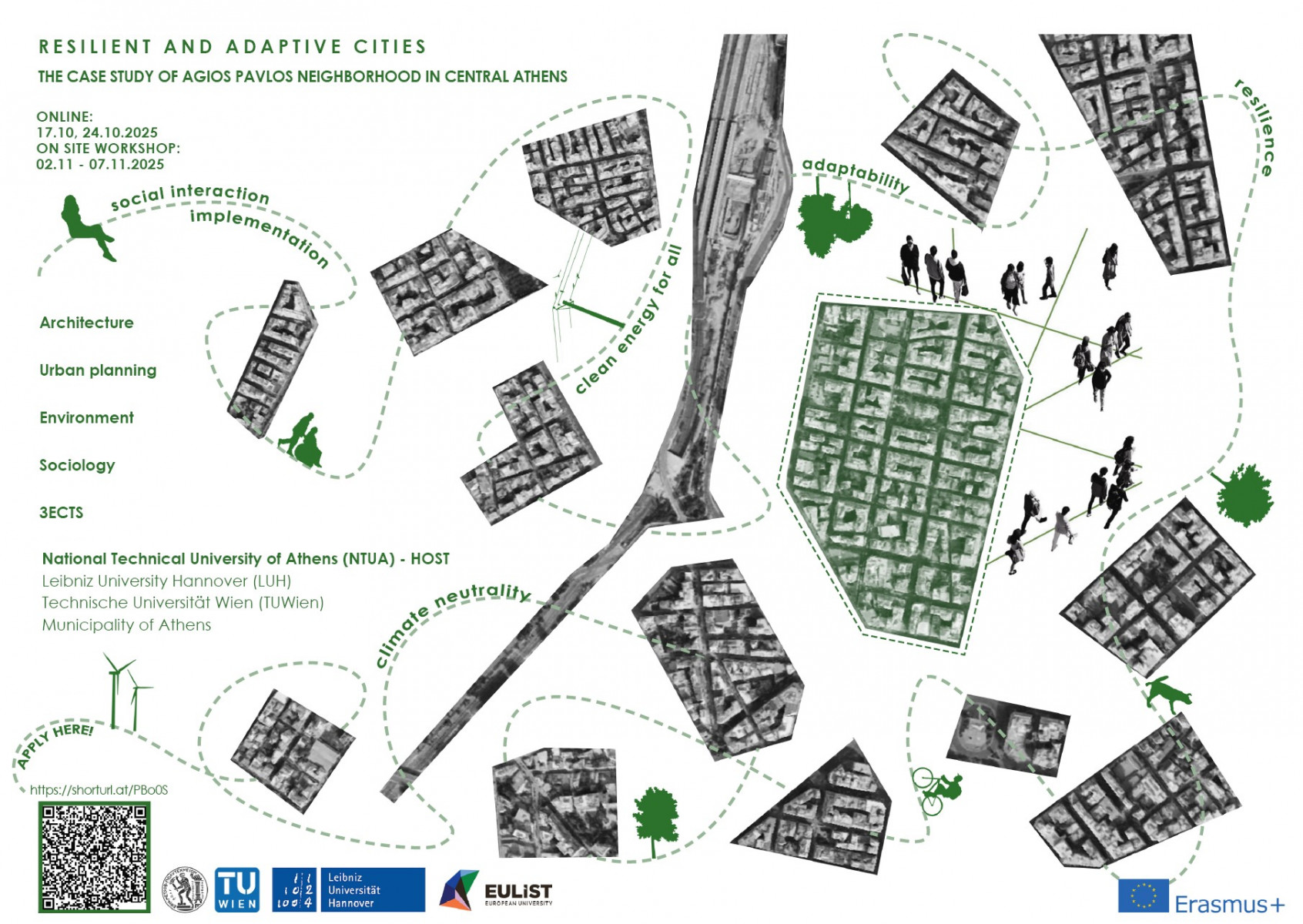
The EULiST Blended Intensive Programme (BIP) on “RESILIENT AND ADAPTIVE CITIES – THE CASE STUDY OF AGIOS PAVLOS” was successfully held online in October and in Athens in November 2026. The BIP was organized by NTUA, under the coordination of Prof. Eleni Alexandrou, NTUA School of Architecture, and coorganized by LUH, TUW and STU. Collaborating stakeholders of the BIP were the Municipality of Athens, and the 4th Lyceum of Athens “Manolis Glezos”.
Lecturers and students focused on the neighborhood of Agios Pavlos in the center of Athens and the investigation of the material and intangible characteristics of the neighborhood with the aim of evaluating and strengthening its resilience and its adaptation to current and future socio-economic and environmental conditions.
The Deputy Mayor of Athens for Climate Governance and Social Economy, Nikos Chrysogelos, participated in the initiative, and committed that the City of Athens will consider the outcomes of the Blended Intensive Program, to ensure that Athens will soon be included in the 100 climate-neutral cities of Europe.
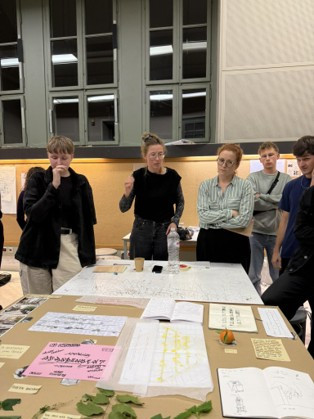
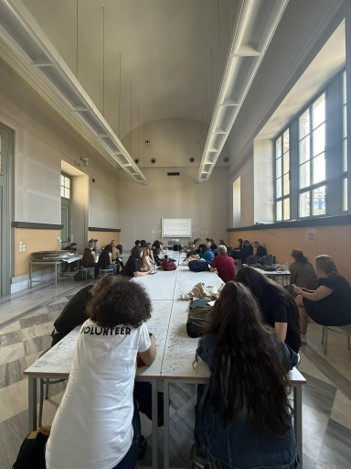
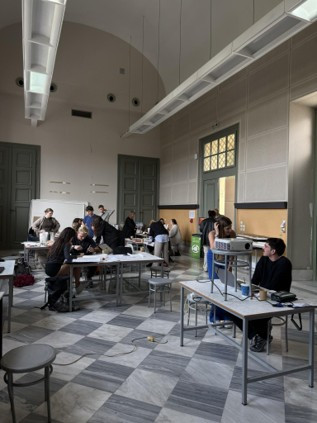
The online lectures were held on October 17th and 24th, 2026. The onsite program was held in Athens between November 2nd until 7th, 2026. The onsite program was held at the NTUA School of Architecture, and educational visits were organized at the Alekos Fassianos Museum, located at the neighborhood, and the multifunctional, environmentally sustainable Stavros Niarchos Foundation Cultural Center.
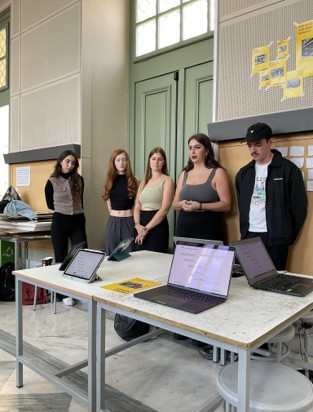
The most innovative co-creation approach of the BIP was that on the first day the secondary students of the 4th Lyceum of Athens “Manolis Glezos” presented to the students and lecturers of the program the problems and challenges of the neighborhood, as well as thoughts and suggestions, including their own pilot applications on the roof of the school building, such as plantings and shading systems created by the students themselves. Afterwards they walked along with the BIP coordinators and students in the Agios Pavlos neighborhood and pointed out the challenges they face daily in their neighborhood. This contribution has been considered valuable because it comes from people who live and move around the neighborhood daily and convey their own experiences and impressions. The neighborhood walk continued under the guidance of a famous Athenian historian and Journalist Nikos Vatopoulos, who knows a lot about the structural history of the city of Athens. Mr. Th. Papakonstantinou, a long-time resident of the neighborhood, also participated in the walk.
The objectives of the EULiST BIP were:
- To provide students with the opportunity for hands-on experience in a real environment and to transform their academic learning into practical applications. The opportunity to collaborate with local and non-national bodies that are directly related to the subject of their research and the recognition of the importance of participatory processes for the sustainable management of urban communities.
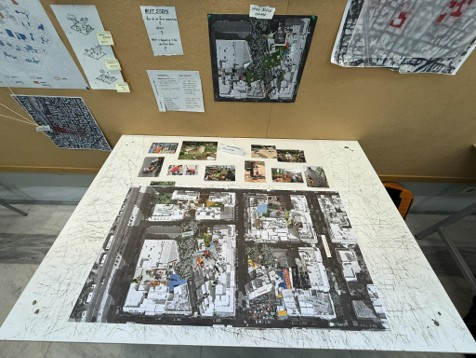
- Familiarity with mapping practices of an area with the aim of identifying, analyzing and finally managing the multiple levels that shape the physiognomy of an area, such as a neighborhood.
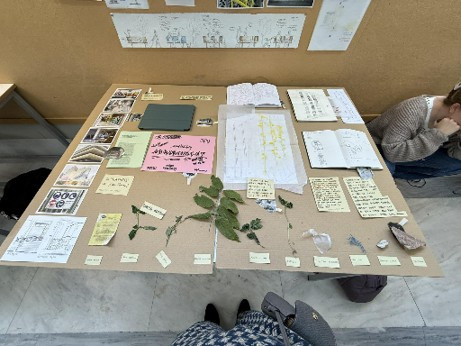
- The on-site documentation and analysis of all the elements that make up the current situation of the neighborhood. The historical evolution and the components that determine the conditions each time. The inherent qualitative characteristics of the neighborhood, the composition of the residents, the urban planning characteristics and the existing building stock.
- The management of issues that are directly and indirectly related to contemporary environmental problems, the climate crisis and the degradation of the urban environment (and microclimate) as well as the building stock and the search for tools and sustainable practices to address them.
- Thoughts on interventions that will contribute to the creation of a climate-neutral neighborhood as a tool for revitalizing it and solving social problems, such as demographic collapse, exclusion, crime and aging.
The academic team included Prof. Eleni Alexandrou (NTUA), Prof. Jörg Schröder (LUH), researcher Anna Pape (LUH), Researcher Peter Morgenstein (STU), Senior Lecturer Nela Kadić (TUW), University Assistant Dorothee Huber (TUW), Senior Lecturer Bernhard Eder (TUW), Researcher Judith Lehner (TUW) Assoc. Prof. Flora Bougatioti (NTUA), Assist. Prof. Dimitris Papanikolaou (NTUA), Prof. Irene Koronaki (NTUA), Emer. Prof. Pantoleon Skayannis (Univ. Thessaly), Prof. Costas Cartalis (Univ. Athens), PhD. Cand. Angeliki Chronopoulou (NTUA), PhD Cand. Theodora Papadopoulou (NTUA), Architect Panagiota Straga (NTUA).
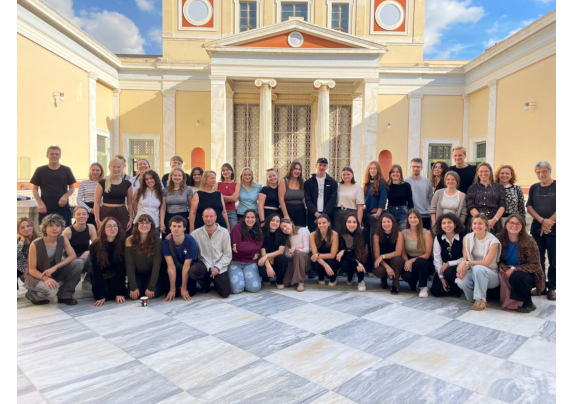
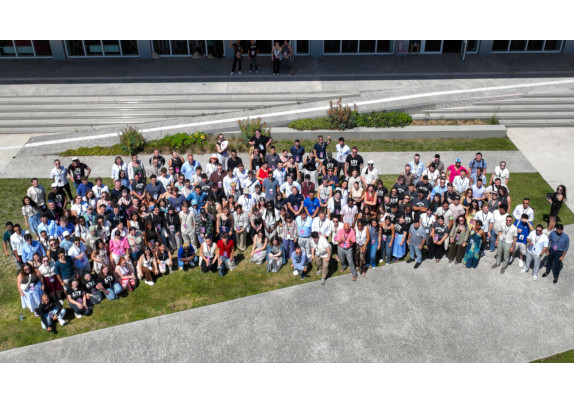
36 undergraduate and postgraduate students of architectural and urban planning from LUH, TUW, STU and NTUA attended the BIP and earned 3 ECTS.